
Last updated November 4, 2026
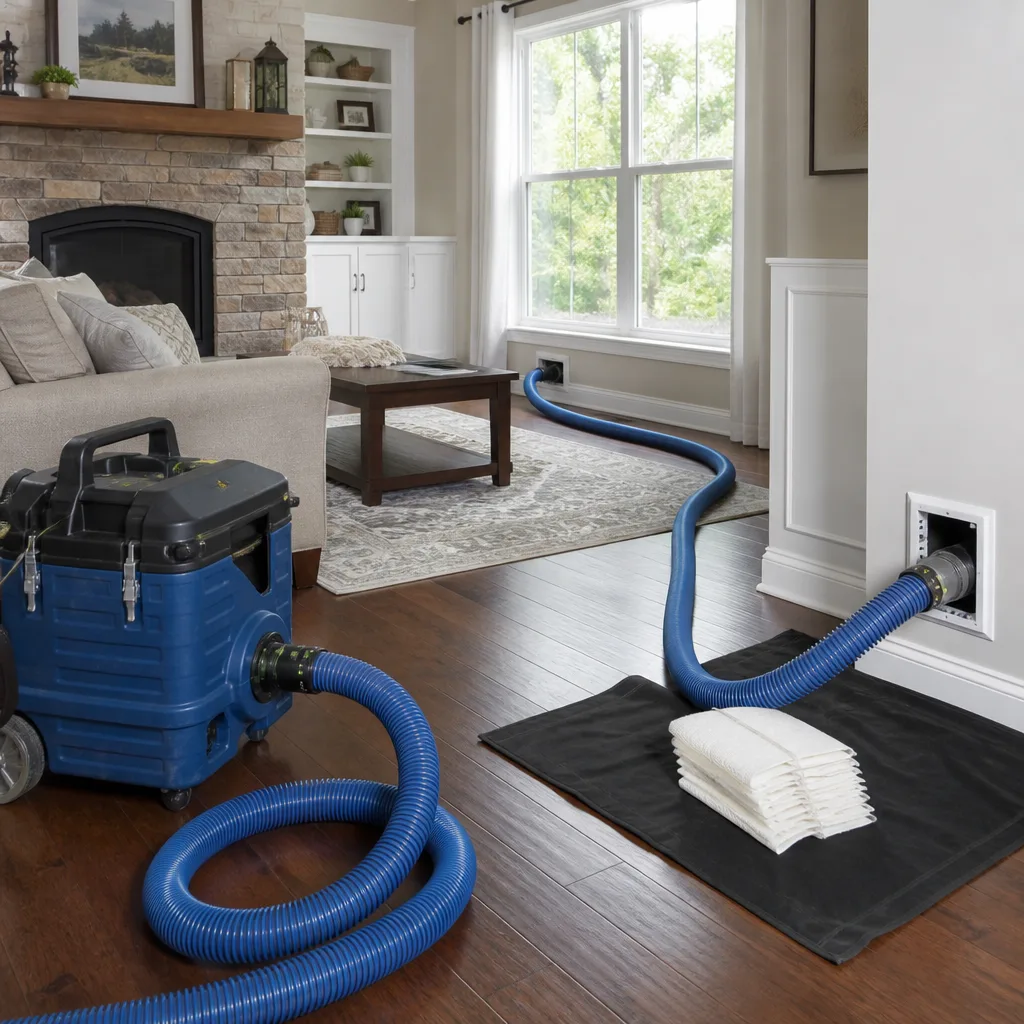 Whole-home duct cleaning
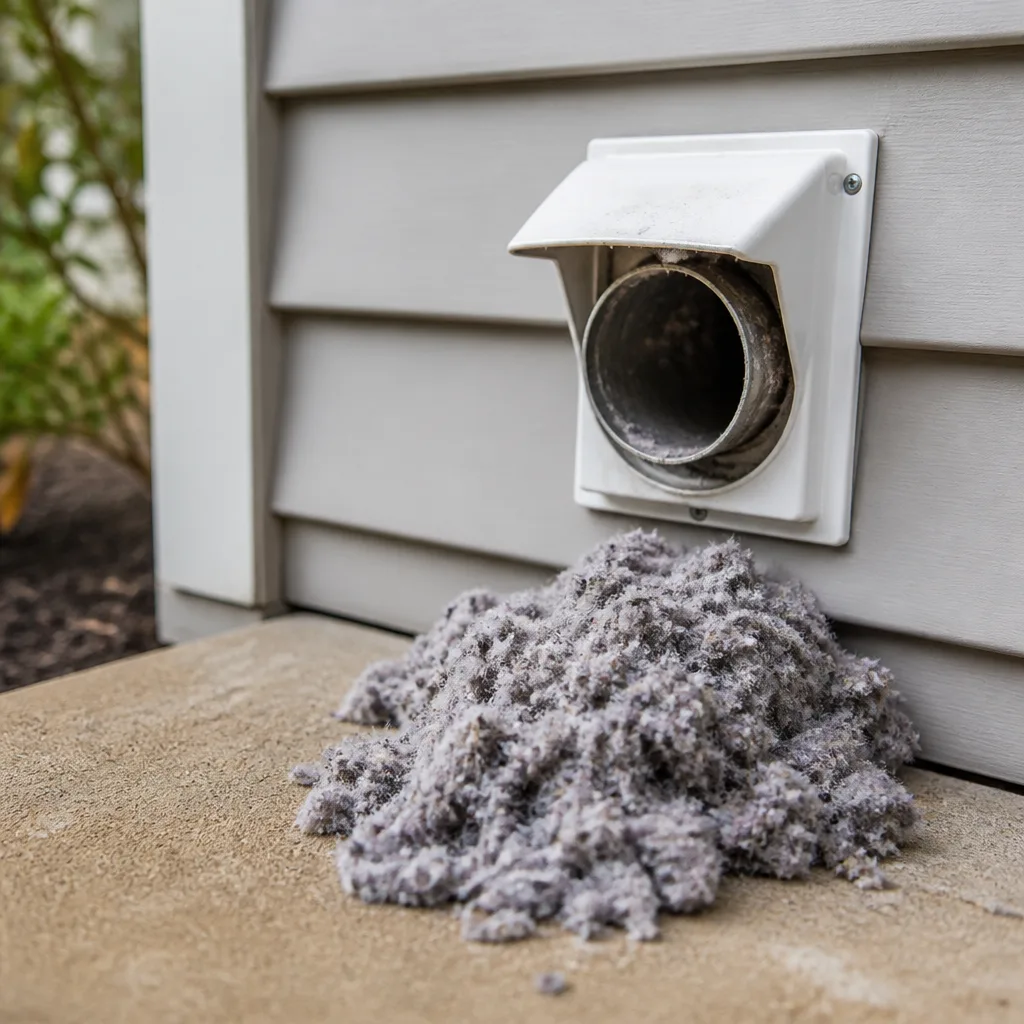 Dryer vent cleaning
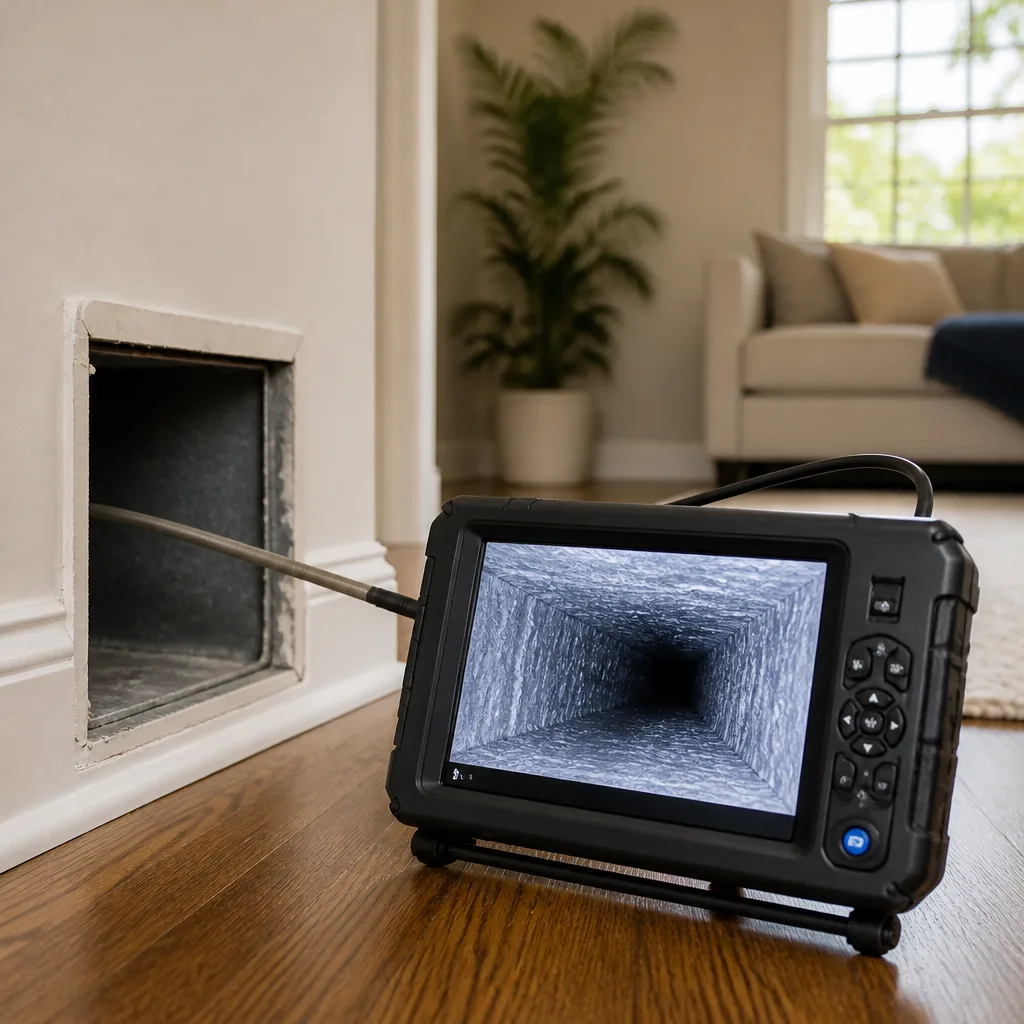 Camera inspection
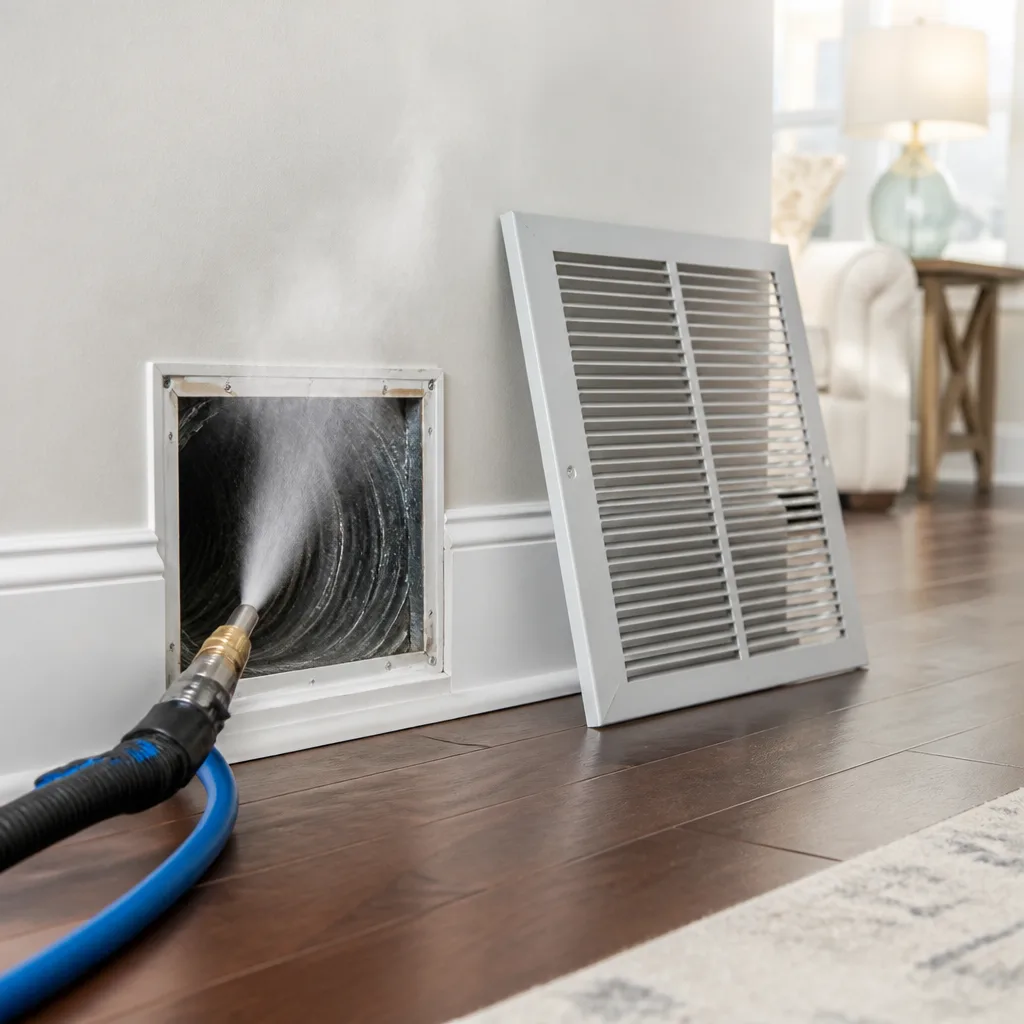 Sanitizing & deodorizing
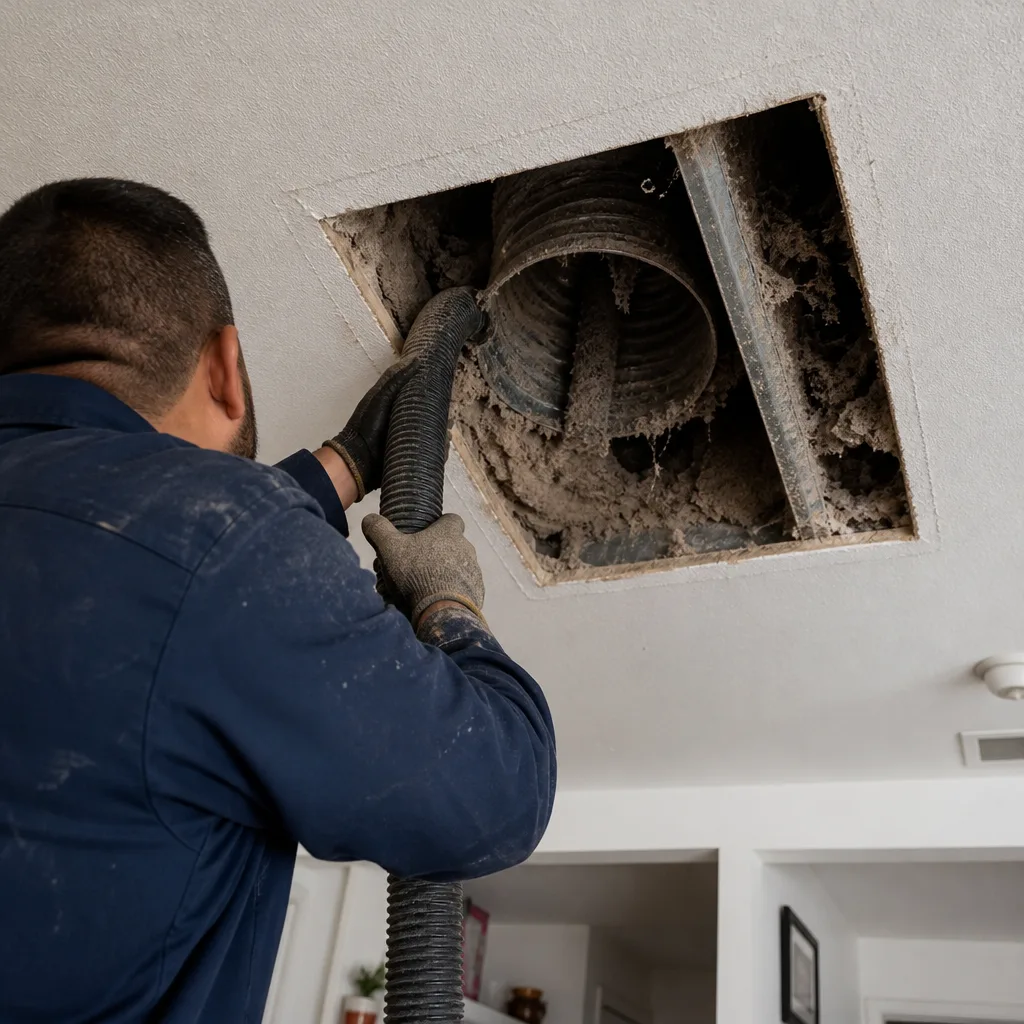
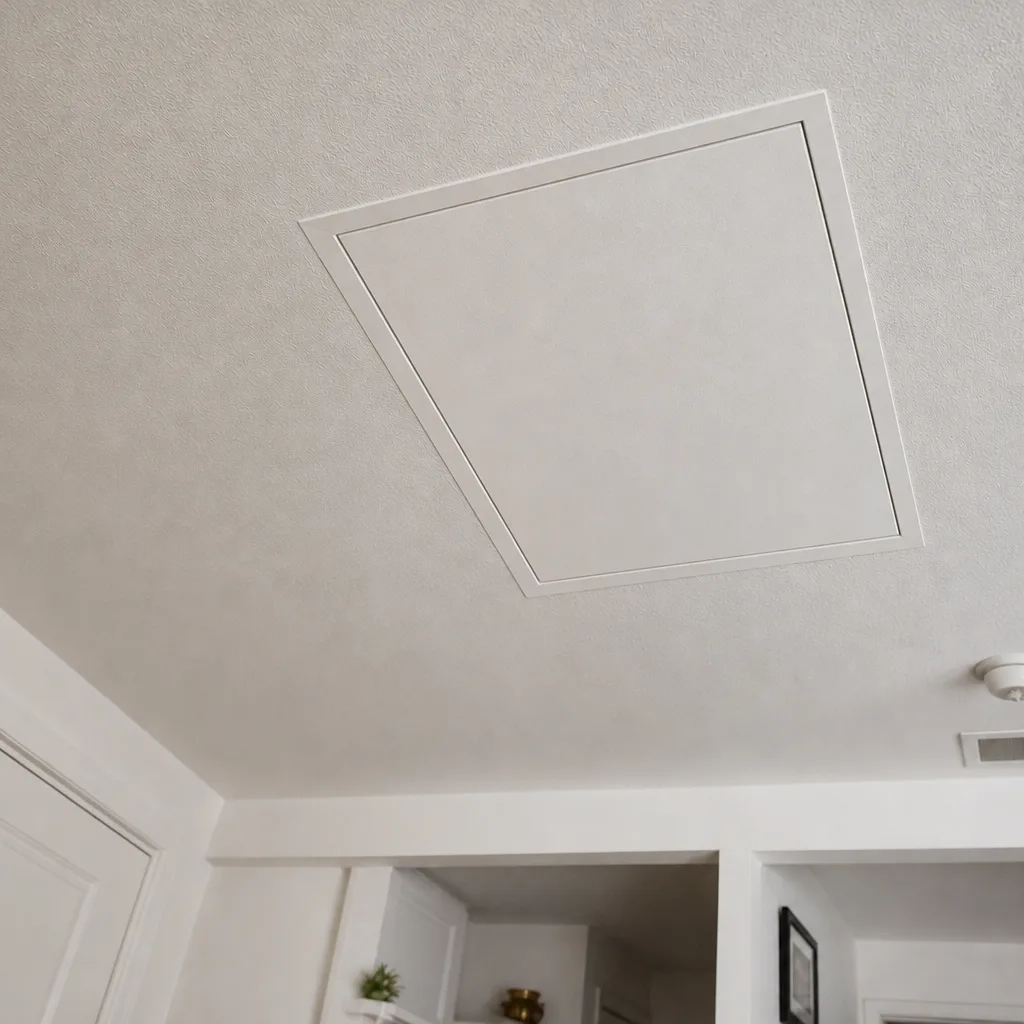
Whole-system duct and dryer vent check with before-and-after photos - you see exactly what came out of your vents
That "$99 whole-house special" is a bait ad - the real number appears once they are in your hallway, or the "clean" is a shop-vac at the register. We photograph the inside of your ducts before and after instead.
Air Duct Cleaning Cost Breakdown: The Pomona Homeowner’s Reference for 2026
Most Pomona homeowners don’t realize that a $99 duct cleaning special and a $700 duct cleaning quote are not the same service with a different markup. They are fundamentally different jobs. One involves a technician with a shop vac spending forty-five minutes waving a hose at your registers. The other involves containment-grade negative air machines, rotating contact brushes scrubbing every linear foot of duct wall, and documentation of what was actually removed. Comparing them on price alone is like comparing a tire rotation to an alignment. This guide breaks down exactly what each price tier buys in the Pomona market, how square footage and per-vent pricing models actually work, and what a written quote should include before you sign anything.
Styles & brands we work with
- Whole-home duct cleaning
- Dryer vent cleaning
- Camera inspection
- Sanitizing & deodorizing
Quick Answer
Air duct cleaning in Pomona typically costs between $350 and $650 for a complete professional-grade service on an average 1,500 to 2,500 square foot home, with smaller homes or partial systems running $250 to $400 and larger or heavily contaminated systems reaching $700 to $900 or more. The variance reflects equipment quality, labor time, contamination severity, and whether repairs are discovered during service. A written estimate from a company that separates cleaning scope from repair scope is the only reliable way to know what you’re actually paying for.
Table of Contents
- What Each Price Tier Actually Buys in Pomona
- The Line-Item Cost of Professional-Grade Service
- Square Footage Pricing vs. Per-Vent Pricing
- The Upsell Architecture of Low-Price Operators
- How Pomona Housing Stock Affects Labor Requirements
- What a Transparent Written Quote Should Include
- Common Mistakes to Avoid
- When to Call a Professional
- Frequently Asked Questions
- The Bottom Line
What Each Price Tier Actually Buys in Pomona
The spread in duct cleaning prices across Pomona is not random market noise. It reflects entirely different scopes of work. Here’s what you’re actually getting at each level.
- $99 to $199 “specials” – One technician, a portable vacuum, and roughly forty-five to ninety minutes of work. Registers may or may not be removed. Duct walls are not contact-cleaned; air pressure moves loose debris around but leaves the film of dust, pet dander, and construction debris adhered to surfaces. No negative air containment. No documentation. This is a door-opener for upsells, and the final invoice rarely stays at the advertised number.
- $250 to $400 single-system or small-home cleaning – Usually a legitimate service for a modest home or a single furnace system. Expect basic negative pressure, brush agitation on accessible runs, register removal, and a visual before-and-after of main trunk lines. Labor is typically two to three hours.
- $350 to $650 full-home professional cleaning – This is the range where contact cleaning actually happens. Rotating brushes physically scrub duct walls. A HEPA negative-air machine pulls dislodged contaminants out of the living space rather than recirculating them. Registers are removed, cleaned, and reinstalled. This is the tier where you should expect before-and-after documentation.
- $700 to $900+ heavy contamination or large systems – Post-renovation dust, decades of pet hair and dander in older Pomona homes, or larger square footage push labor time up. Multiple technicians, longer negative-air runtime, and possibly access cuts or repair work drive this range. This is not gouging; it’s a different job.
The key question to ask any contractor quoting under $300 is: what does “cleaning” mean in this quote? If the answer does not include contact cleaning and negative-pressure extraction, you are paying for air movement, not cleaning.
The Line-Item Cost of Professional-Grade Service
Professional-grade air duct cleaning costs what it costs because the equipment and labor are real. Here’s what a legitimate operator in Pomona is actually paying for when they quote you $450 to $600.
- Negative-pressure machine operation – A Nikro HEPA negative-air machine, the same class of equipment used in abatement environments, runs continuously during the job. These machines cost thousands of dollars, require filter replacement, and their runtime is a direct cost. For a typical Pomona home, expect two to four hours of containment-grade extraction.
- Contact cleaning labor per linear foot – Rotating brush systems scrub duct surfaces directly. This is not a quick pass. A technician physically works the brush through supply and return runs, which in a 1,800 square foot Pomona home can mean 150 to 300 linear feet of duct. Skilled labor at $75 to $150 per hour, with two technicians on site, accounts for most of the quote.
- Register removal and reinstatement – Every supply register and return grille comes off, gets cleaned, and goes back on properly seated. In older Pomona homes with painted-over registers, this is slower and riskier than in newer construction. Skipping this step means the visible part of your system stays dirty while the hidden part gets cleaned.
- Documentation – A professional who shows you what they found – photos or video from inside the ducts before and after – is providing proof of work, not just a receipt. This takes time at the end of the job and should be standard at the $350+ tier. We show you what we found, and that is part of what you’re paying for.
Add those four line items together and the $99 special does not survive contact with reality. There is no equipment overhead, no meaningful labor time, and no documentation at that price. The math only work if the technician is prepping you for add-ons.
Square Footage Pricing vs. Per-Vent Pricing
Contractors in Pomona use two main pricing structures, and each benefits a different home configuration. Understanding which model a quote uses tells you a lot about the contractor’s incentives.
Square footage pricing is the standard for professional-grade work. The quote is based on the conditioned square footage of the home, sometimes adjusted for the number of systems. For a typical Pomona ranch home at 1,200 to 1,600 square feet, expect $300 to $500. For a larger two-story at 2,200 to 3,000 square feet, the range climbs to $500 to $800. This model aligns contractor and homeowner interests: the tech is paid by the job, not by how many vents they can count, so there is no incentive to inflate the register count.
Per-vent pricing, by contrast, charges a flat rate per supply register and return. You’ll see “$25 per vent” or “$35 per vent” in advertising. The problem is that Pomona homes vary enormously in vent count. A 1970s rancher might have eight supply registers and one return. A 2000s two-story with dual HVAC might have twenty-two supplies and three returns. Under per-vent pricing, the first home costs $200 to $300 and the second costs $600 to $900 for fundamentally similar duct volume. Per-vent pricing also creates a perverse incentive: the technician is motivated to count every possible opening as a “vent” to bill against, including bathroom exhaust fans, range hood terminations, and cold air returns that should be part of the base scope.
For most Pomona homeowners, square footage pricing is the fairer model. It prices the home, not the register count, and it makes quotes comparable between contractors. If a company only gives you a per-vent price, ask them to convert it to a flat whole-system price before you compare.
The Upsell Architecture of Low-Price Operators
The $99 duct cleaning special exists for one reason: it gets a technician into your home with a signed work order and a position of authority. The advertised price is a loss leader, and the business model depends on converting that visit into a $600 to $1,200 invoice through add-ons. Here’s what those add-ons actually do.
Antimicrobial “sanitizing” treatments – Often billed at $150 to $400 as a fogger application. In a properly contact-cleaned and HEPA-extracted duct system, antimicrobial treatments add little to nothing for most homes. They are not a substitute for physical removal of contaminants. Unless there is documented microbial growth, which is a separate issue from dust and dander, skip it.
Duct coating or sealing – Sprayed polymer coatings marketed as “encapsulating” the duct interior. For most residential systems, this is unnecessary. Exceptions include damaged fiberglass-lined ducts or specific air quality concerns where a doctor has recommended it, but those cases are rare in Pomona homes. A contractor pushing coating on every bid is selling margin, not necessity.
“Free” inspections that find “mold” – This deserves special caution. A visual inspection of a dusty duct by someone with a financial incentive to find problems will often “find” suspected microbial growth. The follow-up quote runs into the thousands. If this happens, stop the process and get a third-party IAQ assessment. A legitimate cleaning company cleans first and tells you what needs attention based on what was actually removed, not what a fogger technician claims to see.
The honest way to avoid the entire architecture is to hire a company whose core quote already includes the full service. Contact cleaning with HEPA extraction is the whole job. Anything added on top should have a specific, documented reason tied to what was found in your system, not a rehearsed pitch.
How Pomona Housing Stock Affects Labor Requirements
Pomona’s housing stock spans roughly a century of construction, and the age of your home has a direct effect on what Duct Cleaning Pomona technicians encounter when they open a system up. This is not a generic factor; it’s specific to the mix of homes built in this city across different eras.
Homes built before roughly 1980 often have original metal ductwork. Rigid galvanized steel ducts are durable and hold up well to contact cleaning, but fifty or sixty years of dust accumulation bakes onto the interior surface. The Rotobrush contact-cleaning system works well here because the rotating brushes physically scrub that adhered layer off metal. Metal ducts also tend to have more access limitations in older Pomona homes – tight crawlspaces, minimal clearance in attics, and original register boots that have been painted over multiple times. Labor time runs higher on these systems, and a quote should reflect that.
Homes built from roughly the 1980s through the 2000s, which make up a large share of Pomona’s residential stock, often use flexible duct. Flex duct consists of a wire coil wrapped in plastic and insulated, and it requires a different technique. Aggressive brushing can tear flex, so contact cleaning on flex systems uses controlled brush pressure and more airflow-based extraction. Flex also develops internal tears and separations that metal duct does not, which is where the repair side of the work comes in. A company that can clean it and then fix what they find – clean it, then fix it, in one visit – saves you a second service call.
The practical takeaway for Pomona homeowners: ask the contractor what kind of ductwork they expect to find in your era of home and how their process adapts. If they don’t have an answer, they’re going to treat your system like every other system, and you’re paying for that ignorance.
What a Transparent Written Quote Should Include
Before any work starts, you should have a written quote that separates cleaning scope from repair scope. This is the single most important document in the entire process, and it’s where honest operators distinguish themselves from the rest.
- System count and configuration – The quote should state how many HVAC systems, what type of ductwork (metal, flex, or mixed), and the number of supply and return registers in scope. If the quote doesn’t know this, it’s not based on your home.
- Cleaning method specified – Look for explicit language about contact cleaning (brushes) and negative-pressure extraction (HEPA). “Duct cleaning” without a method is not a scope of work, it’s a wish.
- Included steps – Register removal and cleaning, brush agitation, negative air extraction, and post-service documentation should all be listed. If documentation is an extra line item, ask why.
- Repair scope separated – The quote should clearly state that any duct damage found during service (disconnected flex, crushed sections, holes in the plenum) will be quoted separately before work proceeds. This protects you from a surprise invoice. Air duct repair is a separate service with its own pricing, and it should be presented that way.
- Dryer vent scope noted – If the home includes a dryer vent, the quote should say whether it’s included or priced separately. Dryer vent cleaning is a fire-prevention service with its own dynamics, not a free add-on.
- Estimated duration – A legitimate full-home cleaning takes hours, not minutes. The quote should give you a realistic time window so you know what to expect on service day.
A quote structured this way tells you the contractor has a process, not a pitch. If you’re handed a one-line price with no scope detail, that’s your signal to keep looking.
Common Mistakes to Avoid
- Chopping the price comparison down to dollars only. Two quotes at $299 and $549 are rarely for the same job. The lower number almost always means less equipment, less labor, and no containment. Compare scope first, then price.
- Buying a coupon special without asking what “cleaning” includes. The $99 offer is an entry point, not a final price. If the technician arrives and immediately starts “finding” issues, you’re not in a cleaning appointment anymore, you’re in a sales presentation.
- Accepting per-vent pricing without a total system price. Per-vent quotes are easy to game in homes with lots of registers, which describes much of Pomona’s newer construction. Always get the whole-system number in writing.
- Skipping the before-and-after documentation. If a company doesn’t show you what they found, you have no way to verify the work happened. A professional shows you the inside of the ducts before and after. This is not optional at the $400+ tier.
- Not separating cleaning scope from repair scope in the quote. If the contract doesn’t distinguish between cleaning and repairs, a disconnected flex duct found during service can become a surprise line item. Get the separation in writing before work starts.
- Assuming older Pomona metal ducts clean the same as newer flex. Different duct types require different techniques and different labor time. A contractor who doesn’t ask about your home’s age and construction is not going to adjust their process accordingly.
- Ignoring the dryer vent. Your dryer vent is a fire risk waiting to happen, and it’s not cleaned by the same process as your HVAC ducts. If no one mentions it during the quote, ask whether it’s included or priced separately.
When to Call a Professional
Duct cleaning is not an annual maintenance item for most homes. In Pomona’s climate, with its mild winters and long stretches where windows stay closed through the warm months, a professional cleaning every three to five years is the right interval for most systems. But there are specific triggers that move the timeline up. Visible dust blowing from registers when the system runs, a persistent musty smell that doesn’t clear after filter replacement, unexplained allergy symptoms concentrated in certain rooms, or a recent renovation that produced drywall dust and construction debris are all legitimate reasons to have the system evaluated. If you’ve never had the ducts cleaned, or you can’t remember when it was done, the system has been accumulating whatever your home produces – pet dander, skin cells, cooking particles, and outdoor dust drawn in through return air. Duct Cleaning Pomona offers free estimates in Pomona – call (833) 589-9571.
Frequently Asked Questions
A complete professional-grade air duct cleaning for an average Pomona home runs $350 to $650, with smaller homes at $250 to $400 and larger or heavily contaminated systems at $700 to $900 or more. The range reflects equipment type, labor time, duct material, and contamination severity. Call (833) 589-9571 for an exact quote – estimates are free.
Cheap quotes are almost always for a reduced scope of work: one technician with a portable vacuum, no contact cleaning, no negative-air containment, and no before-and-after documentation. The advertised price serves as a door-opener for add-on treatments that bring the final invoice up to or beyond what a professional-grade service would have cost upfront. If a quote doesn’t specify contact cleaning and HEPA extraction, it’s not competing on the same service.
Request before-and-after photos or video from inside the ducts. A professional-grade service includes this documentation as standard practice – we show you what we found, and you can see the difference between the pre-service interior and the post-service result. If a company cannot or will not provide visual documentation, there’s no way to verify the work happened, and that should factor into your decision.
For most Pomona homes, every three to five years is a realistic interval. Homes with significant pet presence, recent renovations, or occupants with respiratory sensitivities may benefit from more frequent service. The best indicator is visual: if registers show accumulated dust, or you can see debris building up around return grilles, the system is telling you it’s time.
For most Pomona homeowners, whole-system square footage pricing is the fairer model. Per-vent pricing favors homes with fewer registers and penalizes larger homes, and it creates an incentive for the technician to count every opening as a billable vent. Ask any contractor quoting per-vent to convert it to a flat whole-system price before comparing against other bids.
Removing accumulated dust, pet dander, and other particulate from the duct system can reduce the volume of airborne irritants circulating when the HVAC runs, which many allergy sufferers notice. However, duct cleaning is not a medical treatment and should be paired with regular filter changes and maintaining the Honeywell or Aprilaire IAQ equipment that may be part of your home’s system. We’re familiar with how those integrated systems interact with the ductwork, not just the ducts in isolation. Call (833) 589-9571 to discuss what’s in your home.
The Bottom Line
Air duct cleaning in Pomona is a service where the price range tells you more about the job than the dollar figure alone. A sub-$200 special and a $500 professional cleaning are not competitors; they are different services wearing the same name. The honest way through the market is to compare scopes, not numbers: contact cleaning with rotating brushes, HEPA negative-air extraction, register removal, and before-and-after documentation. Get a written quote that separates cleaning from repair, skip the fogger upsells, and ask about your specific home’s ductwork era. When you know what the work actually involves, the pricing makes sense. For a free written estimate on your Pomona home, call (833) 589-9571. We answer 24/7. Fast dispatch from 7am to 7pm, Sunday through Friday.
Written by the team at Duct Cleaning Pomona, serving Pomona since 2015.
See the difference
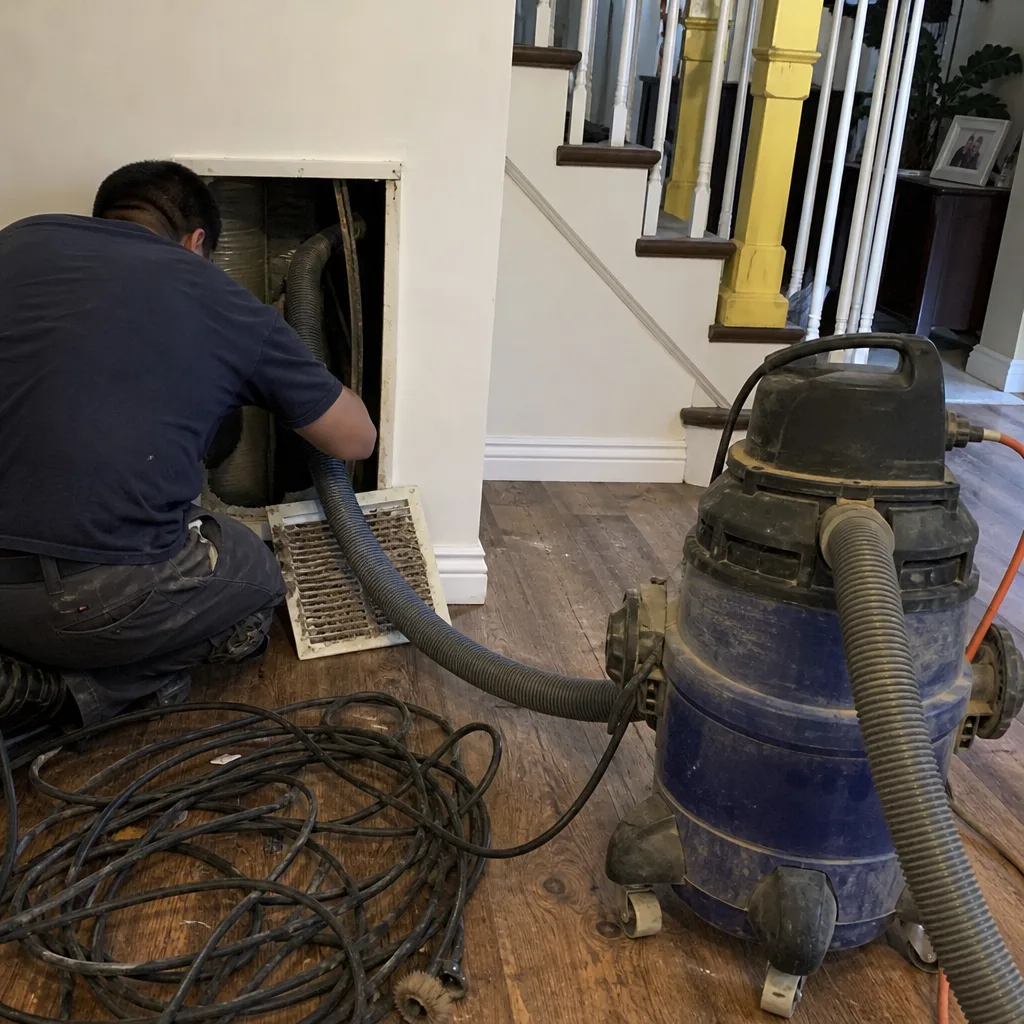 Before
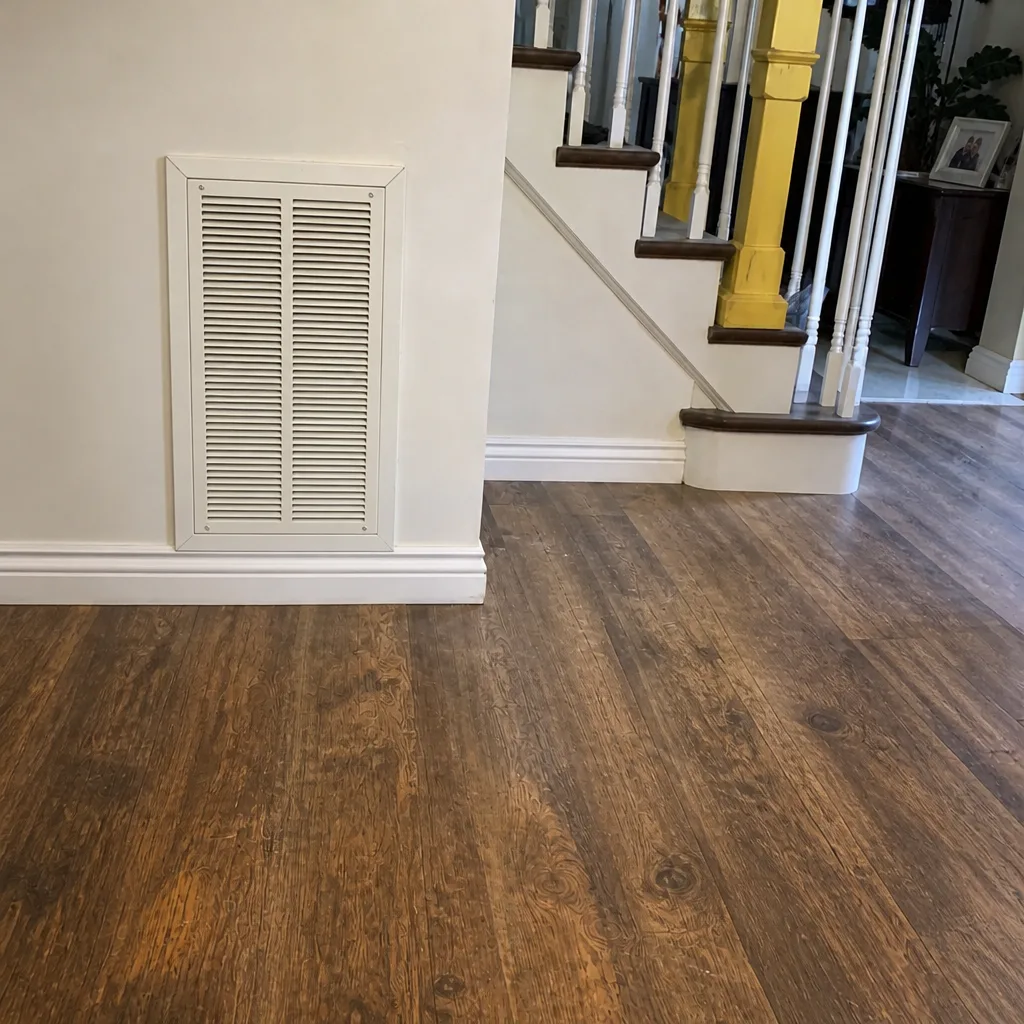 After
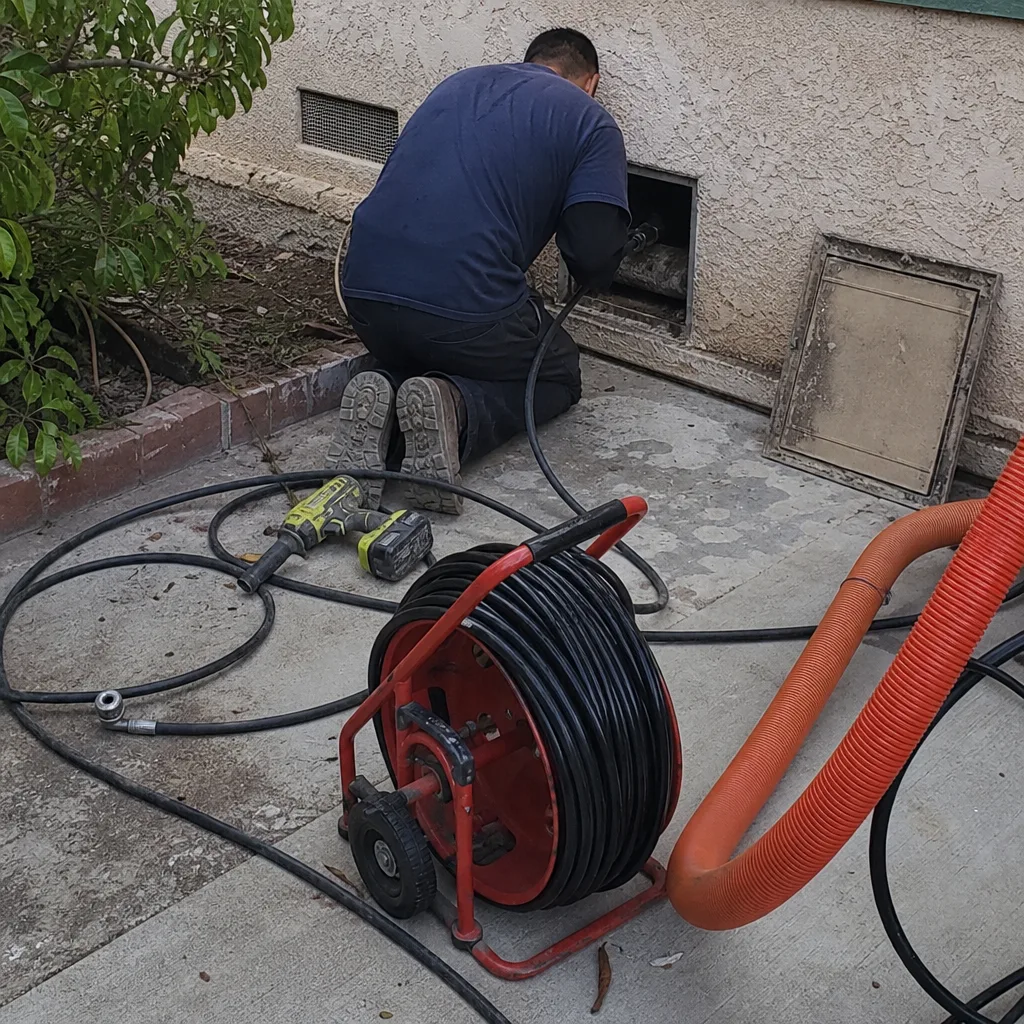 Before
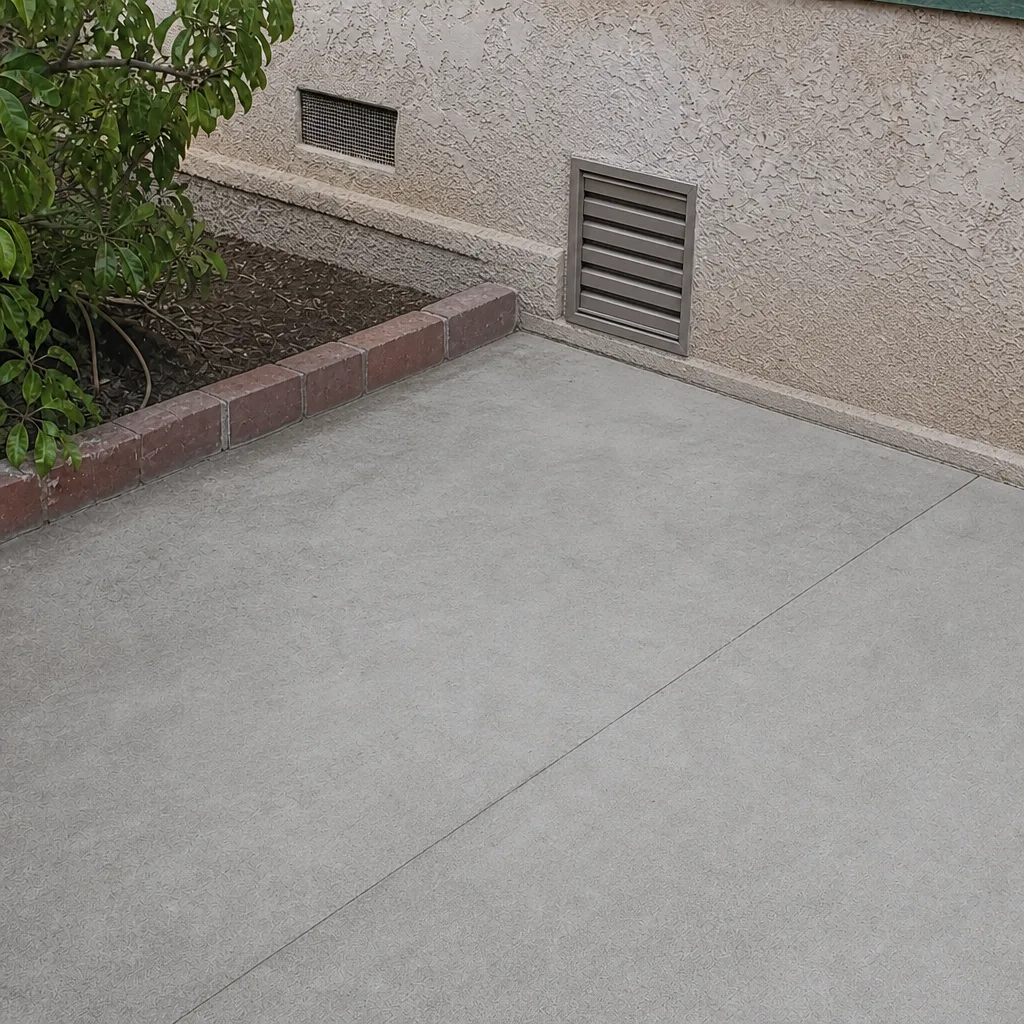 After
 Before
 After