
Last updated November 4, 2026
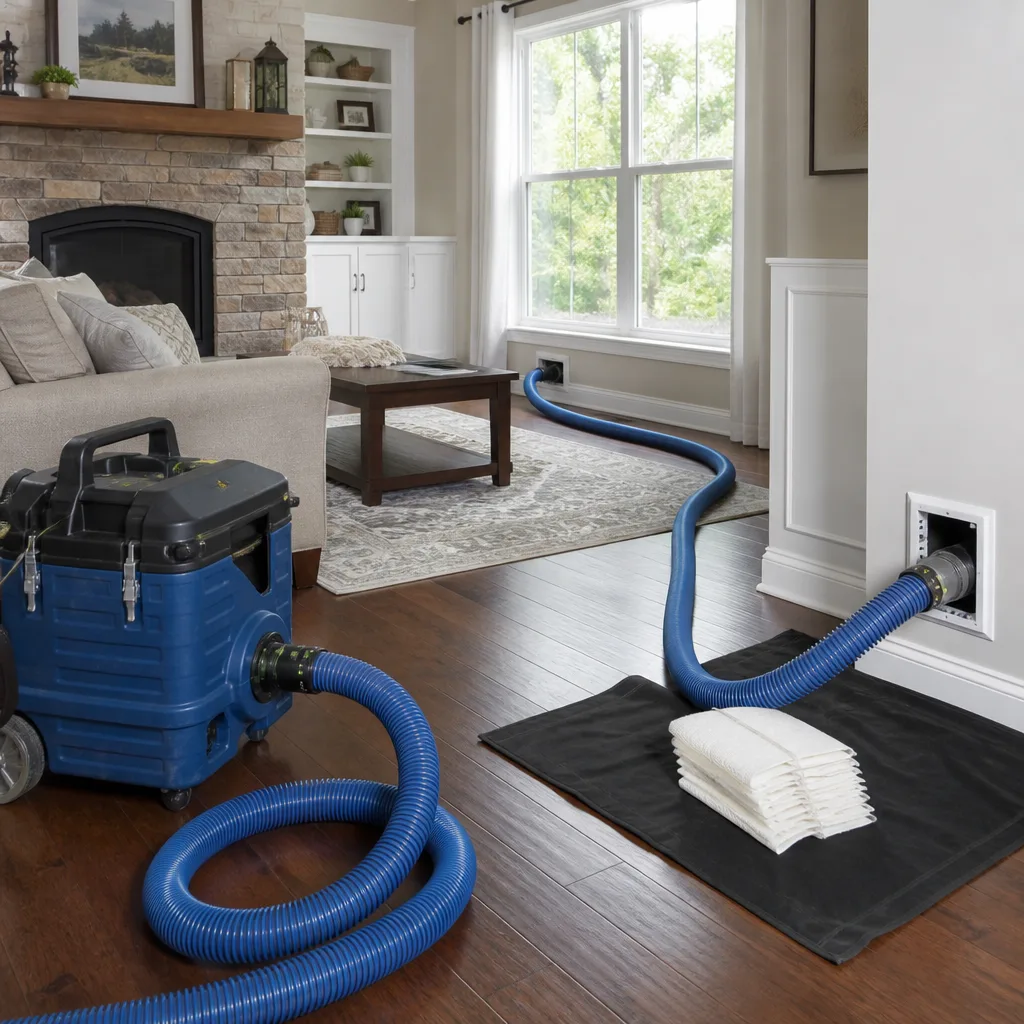 Whole-home duct cleaning
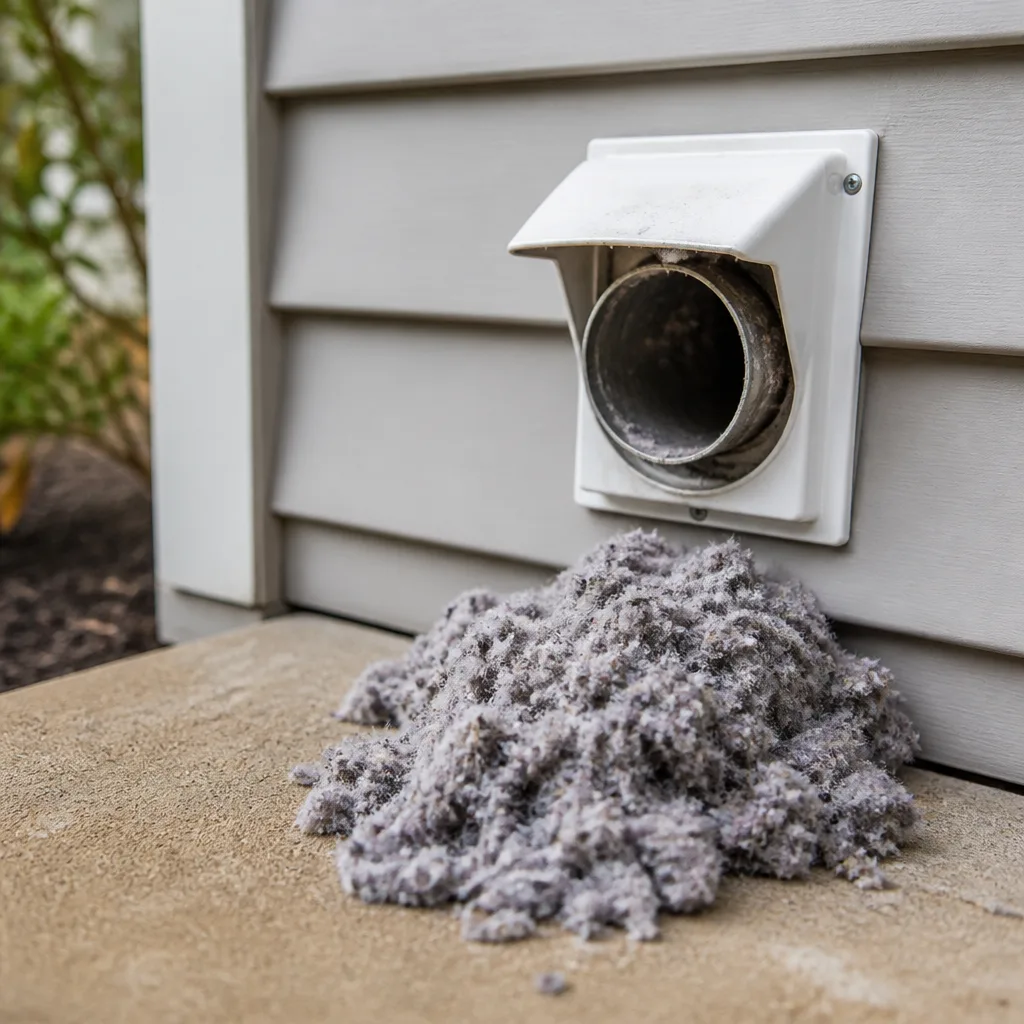 Dryer vent cleaning
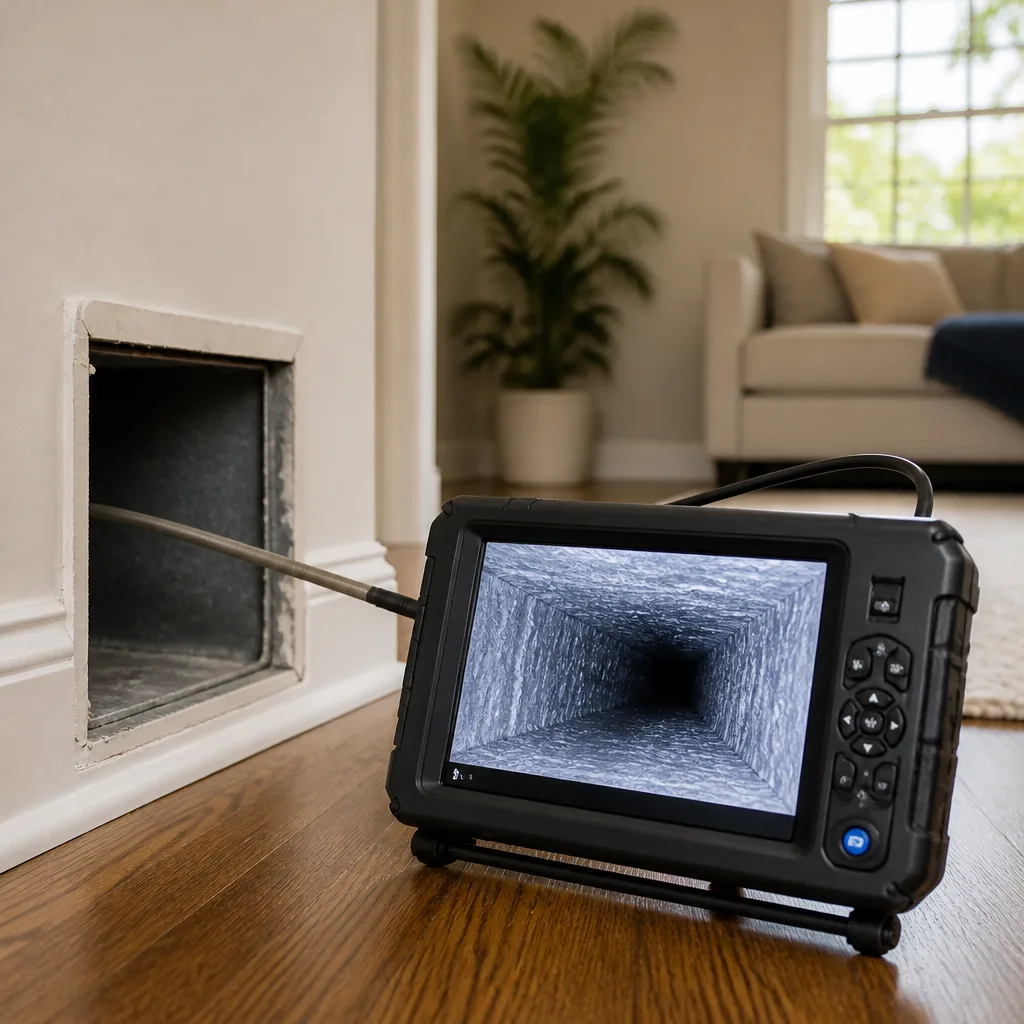 Camera inspection
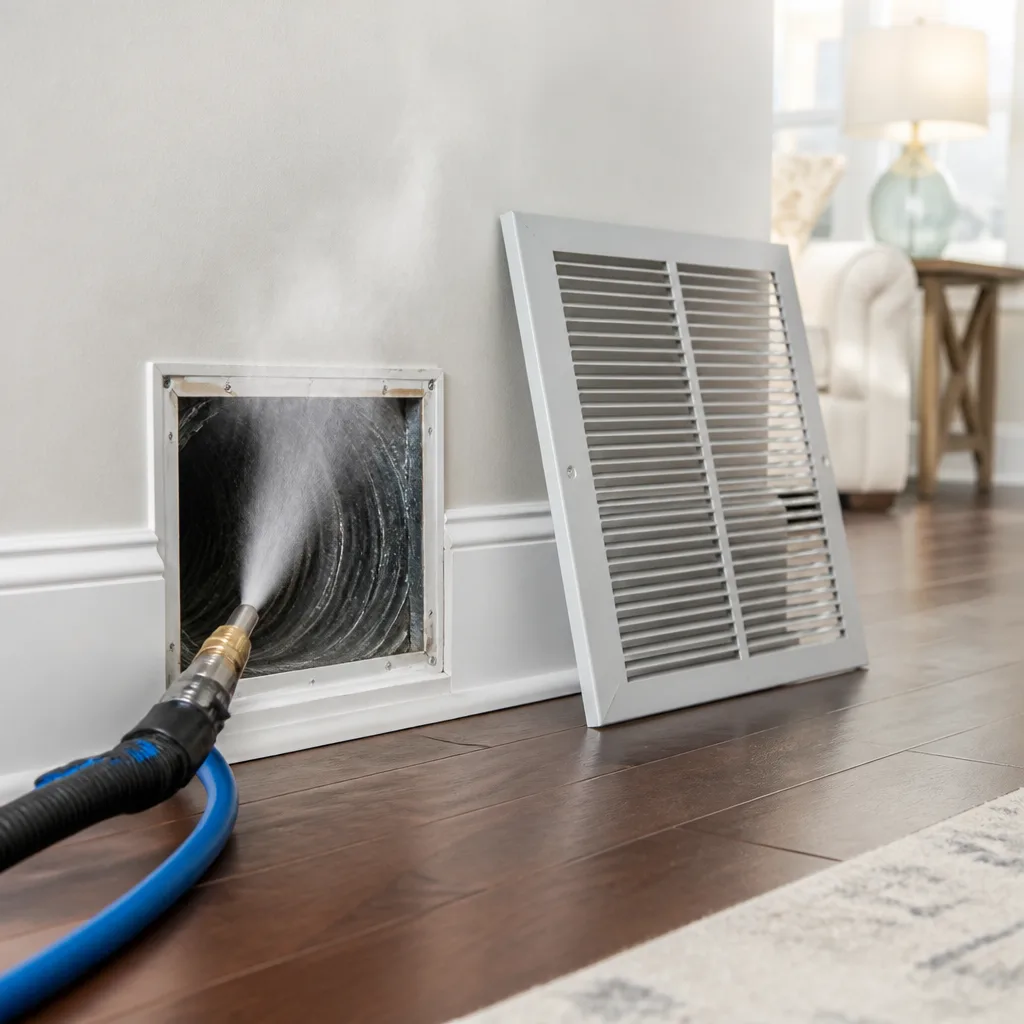 Sanitizing & deodorizing
Whole-system duct and dryer vent check with before-and-after photos - you see exactly what came out of your vents
That "$99 whole-house special" is a bait ad - the real number appears once they are in your hallway, or the "clean" is a shop-vac at the register. We photograph the inside of your ducts before and after instead.
Air Duct Cleaning Maintenance Checklist for Pomona Homeowners
Changing your filter on schedule is not duct maintenance, it’s filter maintenance. The duct system itself has no built-in indicator that something is wrong, which means most problems go undetected until HVAC performance drops or occupants start reacting to air quality. That’s the gap this guide fills. We’ll walk through the actual inspection points a Pomona homeowner can check without tools, the trigger events that move a home from routine to urgent, and the thresholds where a professional should step in. If you’ve ever wondered whether your ducts are actually clean or just look clean from the register, this is written for you.
Quick Answer
Duct maintenance in Pomona is condition-based, not calendar-based. Inspect registers for gray-brown film buildup, check flex duct runs for sag, look for filter bypass gaps at the housing, and log baseline airflow per room twice a year. Trigger events like wildfire smoke, renovation dust, rodent activity, or a major HVAC repair automatically move a home into professional cleaning territory, no waiting for the “annual” mark.
Styles & brands we work with
- Whole-home duct cleaning
- Dryer vent cleaning
- Camera inspection
- Sanitizing & deodorizing
Table of Contents
- Why Calendar Schedules Fail in Pomona
- Trigger Events That Move You to Event-Driven Cleaning
- Visual Inspection Points a Homeowner Can Check Without Tools
- Filter Bypass: The Silent Unfiltered Air Leak
- How to Log Baseline Airflow Per Room
- Annual vs. Event-Driven Intervals: Which Pomona Conditions Apply
- What Professional Contact Cleaning Actually Involves
- Common Mistakes to Avoid
Why Calendar Schedules Fail in Pomona
The standard advice, “clean your ducts every three to five years,” assumes a static environment. Pomona is not static. The Inland Empire sits in a basin that traps particulate matter. Add summer heat cycles that push an HVAC system harder than coastal systems, and a home here accumulates duct debris differently than a home in, say, Long Beach or Santa Monica. The population density around Pomona, combined with nearby freeway corridors and the region’s well-documented air quality challenges, means outdoor particulate load is a constant background condition. Your ducts are filtering that air, or trying to.
Heat cycles matter more than most people think. Duct materials expand and contract with temperature swings. In Pomona, where summer highs routinely touch triple digits and the system cycles on and off for months, metal duct seams work loose over time. Flex duct sags. Return plenums pull away from walls. None of these failures show up on a calendar. They show up when you look for them. That’s why a maintenance checklist has to be condition-based. The date since the last cleaning tells you less than what the registers, plenum, and flex runs tell you right now.
We’ve worked on homes throughout Pomona where the filter was changed religiously every 90 days, but the duct interiors looked like they’d never been touched. The homeowner assumed the filter was doing the work. It wasn’t. The filter only catches what reaches it, and it only works if air is actually passing through it, which brings us to bypass.
Trigger Events That Move You to Event-Driven Cleaning
Routine inspection is one thing. Certain events should trigger immediate professional evaluation, regardless of when the system was last cleaned. Here are the four big ones for Pomona homes.
1. Post-Wildfire Smoke
Wildfire smoke is no longer an occasional visitor to the Inland Empire, it’s a seasonal reality. When smoke settles over Pomona, it doesn’t just drift past the house. The HVAC system draws it in. Fine smoke particulates are small enough to pass through most standard filters and then deposit inside ductwork, on coil surfaces, and in the blower cabinet. Once the smoke clears outside, the smell can linger indoors because the ducts are holding the residue. If your home has been through a smoke event where you could smell it inside, that’s not a “wait until next year” situation. That’s a trigger event.
2. Post-Renovation Dust
Drywall dust, sawdust, and demolition debris are extremely fine and extremely pervasive. During a Pomona kitchen remodel or flooring replacement, that dust gets pulled into the return ducts and distributed through the supply side. Even with careful containment, the HVAC system moves air through the construction zone unless the system was fully sealed and shut down for the entire project. Most renovations don’t do that. If you’ve had any cutting, sanding, or drywall work done, assume the ducts took in dust. Schedule a post-renovation inspection.
3. Post-Rodent Evidence
Rodents in the attic or crawlspace find ductwork appealing. Insulated flex ducts offer nesting material. Rodent activity in or around ducts leaves droppings, urine, and nesting debris inside the system, and that’s air you’re breathing. If you’ve had a rodent problem in Pomona, even one that’s since been resolved, do not run the HVAC system without having the ducts inspected. This is a health issue, not just an odor issue.
4. Post-System Repair
When an HVAC contractor replaces a coil, rebuilds a plenum, or re-routes duct runs, the work itself can knock loose years of accumulated debris. A new furnace or air handler installed onto dirty existing ducts pushes air through that dirt from day one. Any major system repair or replacement should include a duct evaluation as part of the project scope, not as an afterthought.
Visual Inspection Points a Homeowner Can Check Without Tools
You don’t need specialized equipment to spot early warning signs. You need to know where to look. Here are the four inspection points we walk Pomona homeowners through, in order of accessibility.
- Register face buildup. Remove a supply register (the vent cover) and look at the inside face. A light gray film is normal dust accumulation. A thick, dark brown or black coating that feels tacky or clumped indicates the duct interior is heavily loaded. If you see debris piled on top of the register when you remove it, the duct is shedding material back toward the living space.
- Flex duct sag. In attics and crawlspaces, flex duct should run in gentle curves with support every four to five feet. If you see a pronounced U-shape or a section resting on insulation or framing, that sag creates a low point where air velocity drops and debris settles. A sagging flex duct is both an airflow restriction and a debris trap. We see this constantly in Pomona homes with older attic installations.
- Plenum seam separation. The plenum is the sheet-metal box where ducts connect to the furnace or air handler. Look at the seams where the plenum meets the unit and where individual ducts attach. If you see gaps, dark streaks, or evidence of air escaping, unfiltered air is entering the system at that point. Even a quarter-inch gap along a seam pulls attic air, crawlspace air, or whatever surrounds the unit directly into your airstream.
- Return air cavity condition. Open the return grille and look at the cavity behind it. This is the space air passes through before it reaches the filter and the unit. If this cavity is coated in dust, pet hair, and debris, everything downstream of the filter has been exposed to that load for however long it’s been accumulating. This is also where construction dust first appears after a renovation.
Filter Bypass: The Silent Unfiltered Air Leak
Most Pomona homeowners assume that as long as a filter is in place, the air is being filtered. That assumption fails when the filter doesn’t actually seal against the housing. Filter bypass is exactly what it sounds like: air finds a path around the filter rather than through it. The gap between filter edge and housing might be an eighth of an inch, hardly visible. That’s enough for unfiltered air to enter the system.
What causes bypass? Filters that are the wrong size for the housing. Thin fiberglass filters that bow under pressure. Filter slots that have bent or warped over years of use. Homes with multiple return grilles where each grille has its own filter, but one grille doesn’t actually seal. The result is predictable: dust coats the blower, the coil, and the duct interiors, even though a filter was always “in place.”
Here’s what to check. Slide the filter out and look at the edges. A filter that’s doing its job will be uniformly dirty across the face. If the center is dirty but the edges are clean, air is going around the edges. Look at the filter slot itself. If you can see daylight between the filter frame and the housing when the filter is installed, that’s a bypass path. Sometimes the fix is as simple as a properly sized filter with a foam gasket edge. Sometimes the filter slot itself needs repair. Either way, it’s a problem worth finding, because bypass means the filter creates a false sense of security. Your system is ingesting unfiltered Pomona air.
How to Log Baseline Airflow Per Room
Airflow degradation is the earliest measurable sign that ducts are loading up. The problem is that most people don’t notice a gradual decline. One room gets a little stuffier in August. The upstairs takes longer to cool. By the time you notice, the restriction has been building for a year or more. Logging a baseline gives you a reference point so future degradation is measured, not just felt.
The method is simple and costs nothing. On a day when the system has been running normally, do this:
- Set the thermostat to fan-only mode so the blower runs without heating or cooling. This gives you a consistent air movement baseline.
- Stand in each room and place your hand directly at each supply register, about six inches away. Note, qualitatively, how strong the airflow feels. Strong, moderate, weak, or barely detectable.
- Do the same at each return grille. Returns should pull a piece of tissue paper against the grille with enough force to hold it in place. If the tissue falls away, return airflow is weak.
- Write it down. A simple note on your phone works: “August, front bedroom, strong. Hall bath, weak. Living room return, holds tissue.”
- Repeat in six months. Compare the notes. If a room that was strong is now moderate, or a return that held tissue no longer does, that’s measurable degradation. Something is changing inside the system.
This log also helps a professional. When a homeowner can tell us “the airflow in the back bedroom has been declining over the last eight months,” that’s far more useful than “the rooms feel stuffy.” It tells us where to look for restrictions, and it gives us a baseline to confirm the improvement after air duct cleaning.
Annual vs. Event-Driven Intervals: Which Pomona Conditions Apply
Here’s the practical framework we give every Pomona homeowner. There are two tracks: routine inspection and event-driven cleaning. Most homes are on the routine track. Certain conditions move a home to the event-driven track automatically.
Routine track: Twice-yearly visual inspection of the points covered above. Once in spring before cooling season starts, once in fall before heating season starts. Log airflow at each inspection. If the system shows no trigger events and no airflow degradation, professional cleaning can be deferred. Note: “deferred” is not “never.” Duct systems in Pomona do accumulate particulate over time, and no visual inspection catches everything.
Event-driven track: Any of these moves a home to professional evaluation immediately: wildfire smoke that entered the home, renovation or construction dust, evidence of rodents in or near ducts, a major HVAC component replacement, or any occupant experiencing new or worsening respiratory symptoms without another clear cause. Also, water intrusion from a roof leak, plumbing leak, or AC condensate issue in or near ductwork. Wet duct insulation does not dry out on its own in a Pomona attic, and it becomes a biological growth substrate.
Which Pomona conditions matter? The Inland Empire’s particulate load is a background factor, not a trigger by itself. Heat cycles accelerate seam and seal degradation, which argues for paying close attention to plenum integrity every inspection. Wildfire smoke is the single biggest event-driven trigger in this region over the last decade. If your home has been through smoke, and especially if you can still smell it indoors a week after the skies clear, that’s not a routine-track situation.
What Professional Contact Cleaning Actually Involves
Not all duct cleaning is the same. This matters because Pomona homeowners who have been through a cheap cleaning once are often skeptical that a second cleaning will be any different. The difference is in the method. A “blow-and-go” service runs a high-velocity air stream through the ducts and calls it done. The air dislodges whatever it reaches, but it doesn’t reach everything, and whatever it dislodges has to end up somewhere. In too many cases, it ends up back in the house.
Contact cleaning is a different process. We use the Rotobrush system, where rotating brushes physically scrub the interior walls of the ducts. Think of it as the difference between rinsing a dirty pan under running water versus actually scrubbing it with a brush. Air pressure alone doesn’t remove the film that accumulates on duct surfaces. Brushes do.
Extraction matters just as much as agitation. While the brushes work, our Nikro HEPA negative-air machines pull the dislodged material out of the system under containment. The equipment runs at negative pressure, meaning air is pulled out of the ducts and through HEPA filtration rather than pushed around the house. This is the same class of equipment used in professional abatement environments, and it’s a meaningful step up from a portable vacuum.
We also bring abatement-level filtration standards to the job through our work with Abatement Technologies filtration. For Pomona homes with Honeywell or Aprilaire IAQ systems, we understand how the ductwork interacts with the broader air-quality equipment, so a cleaning doesn’t undermine or bypass the filtration you’ve already invested in.
And here’s the part most duct cleaners can’t offer: if we find a structural problem during cleaning, a separated plenum seam, a crushed flex section, a disconnected register boot, we can fix it. Not report it, not refer you to someone else. Fix it. Duct Cleaning Pomona covers the full arc: cleaning, dryer vent cleaning, and duct repair. That’s the “clean it, then fix it” standard, and it means one visit resolves what would otherwise take two companies and two appointments.
Common Mistakes to Avoid
- Assuming a clean filter means clean ducts. The filter catches what reaches it. Buildup behind the filter, in the plenum, and throughout the duct runs is unaffected by filter changes. A clean filter tells you nothing about duct interior condition.
- Waiting for an odor to investigate. By the time a duct problem produces a smell you can consistently detect, biological growth or heavy particulate loading is already well established. Visual inspection catches problems before they become odors.
- Trusting a per-vent price. Some companies quote a low per-vent rate that balloons when the full system is counted. A reputable Pomona duct cleaning estimate is a flat price per system, agreed before work starts, with no hidden line items.
- Sealing registers to “save energy” without checking return air. Closing too many supply registers increases static pressure and puts strain on the blower. If you’re closing off rooms in a Pomona summer, check that returns aren’t starved first.
- Skipping the dryer vent because “it’s separate.” The dryer vent is a dedicated exhaust duct, and its failure mode is fire. Lint accumulation inside a dryer vent is the leading cause of dryer-related fires. It should be inspected and cleaned on its own schedule, separate from the HVAC ducts.
- Assuming post-renovation dust will “work itself out.” It won’t. Drywall dust is heavy and fine, and it settles into every low point in the duct system. The only thing that works itself out is your patience while the house keeps redistributing construction dust for months.
- Believing a “sanitizing fog” replaces cleaning. Spraying a sanitizing agent into dirty ducts is like spraying disinfectant on an unswept floor. It doesn’t remove the material, and it doesn’t address the source. Cleaning comes first; any antimicrobial treatment is secondary.
See the difference
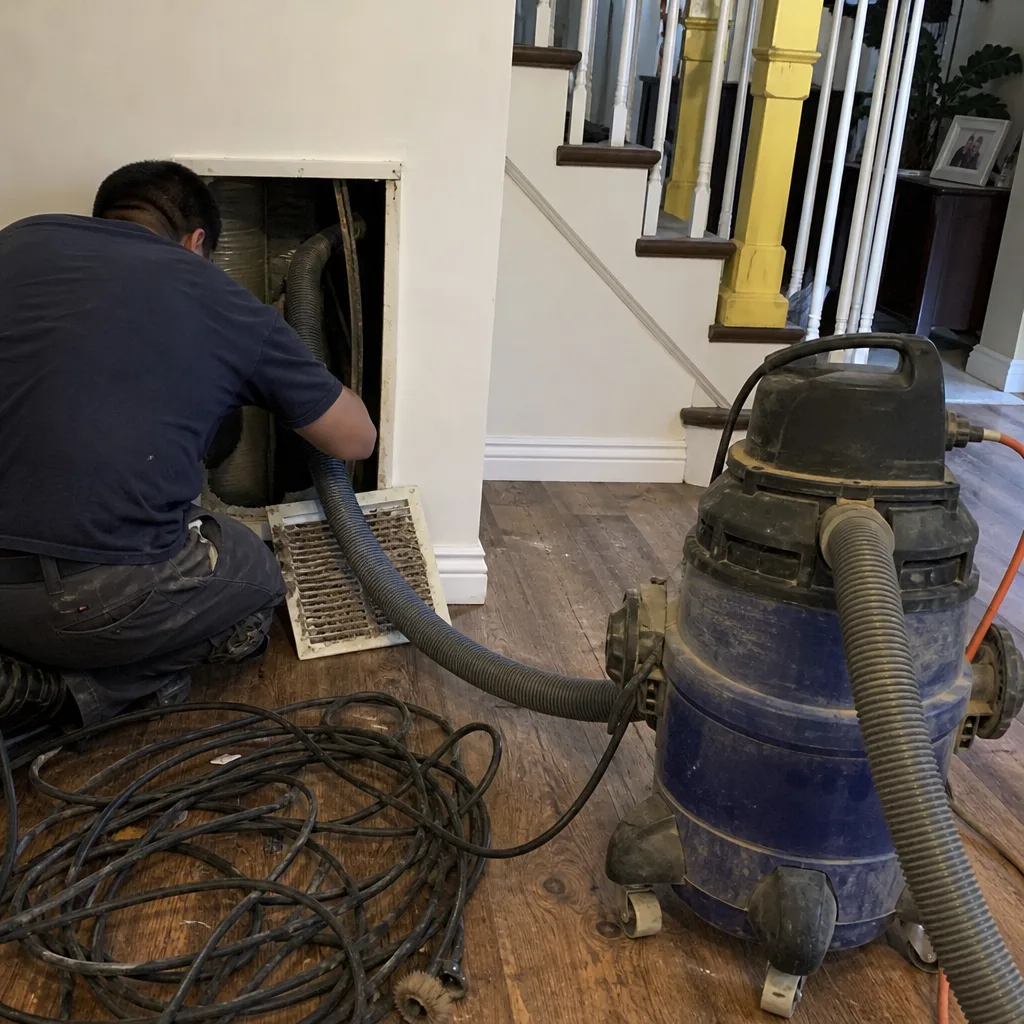 Before
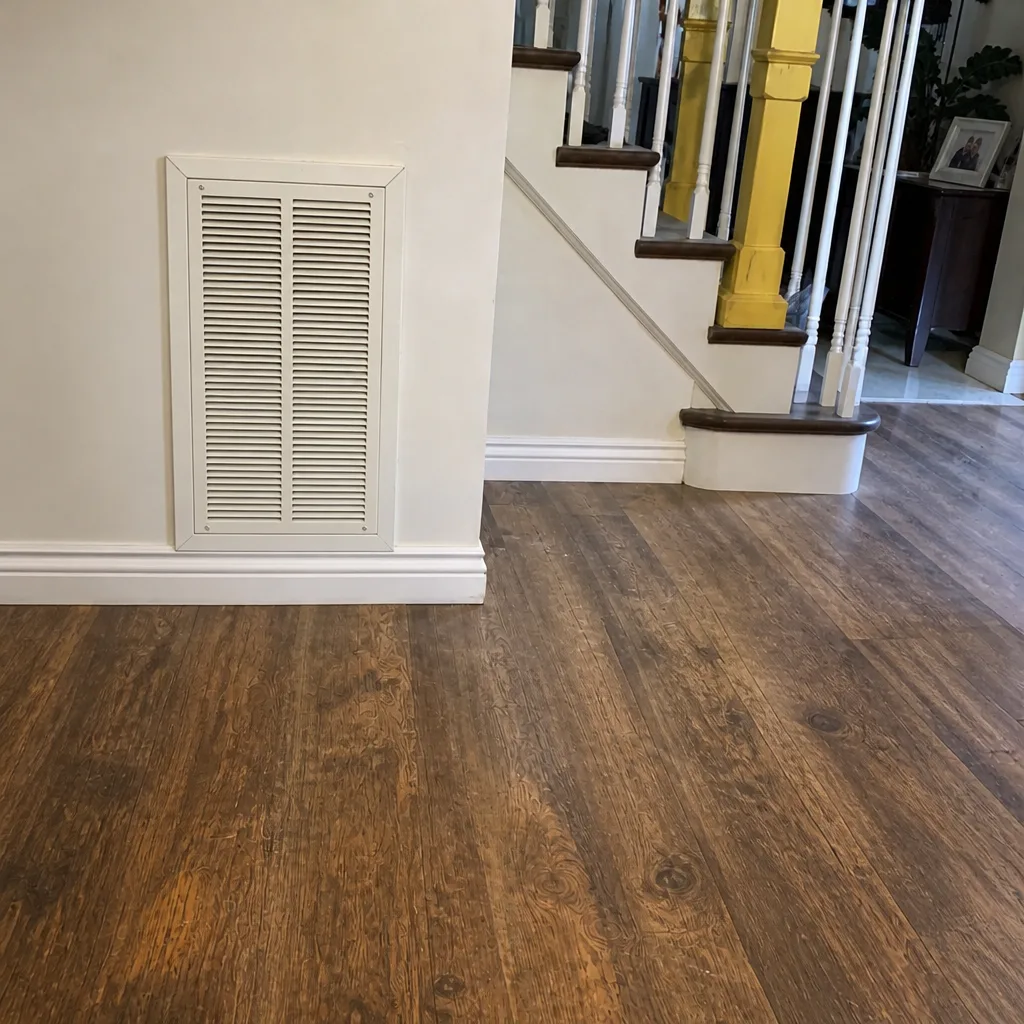 After
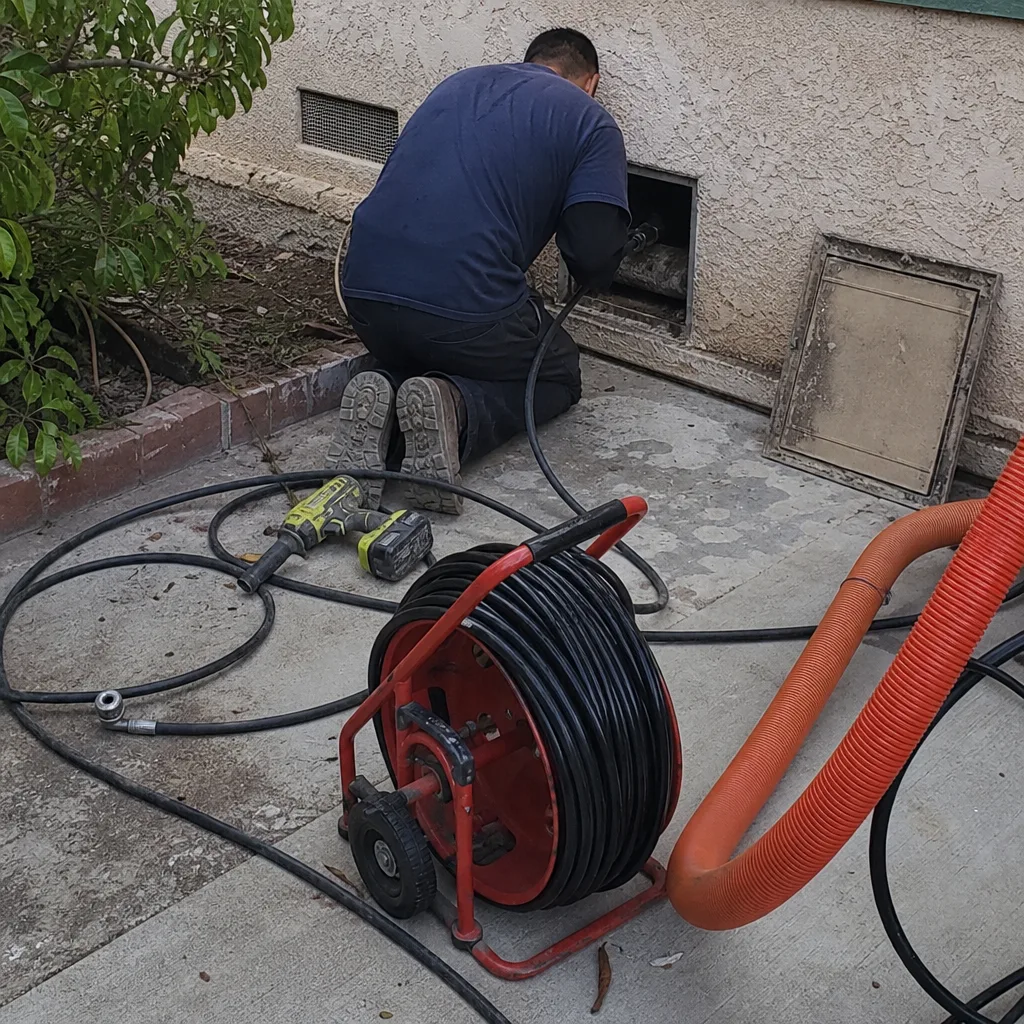 Before
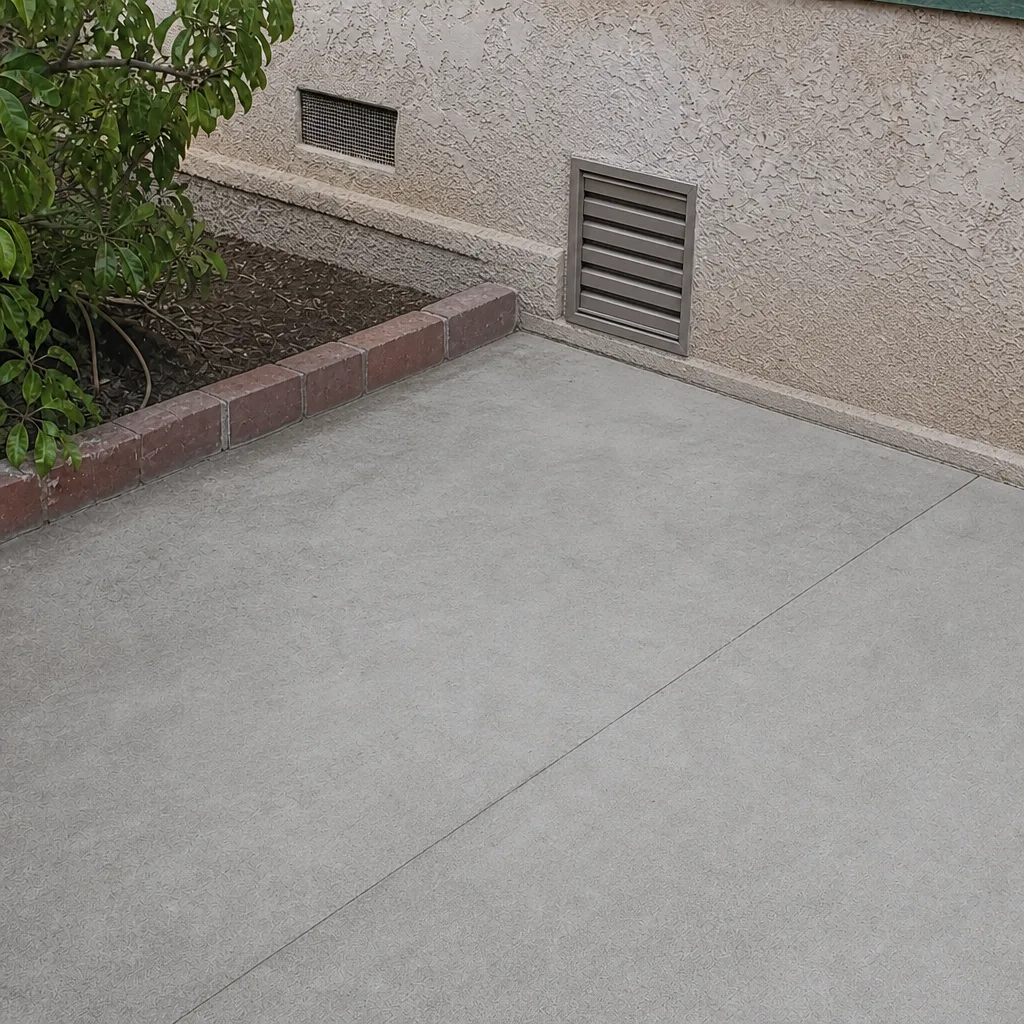 After
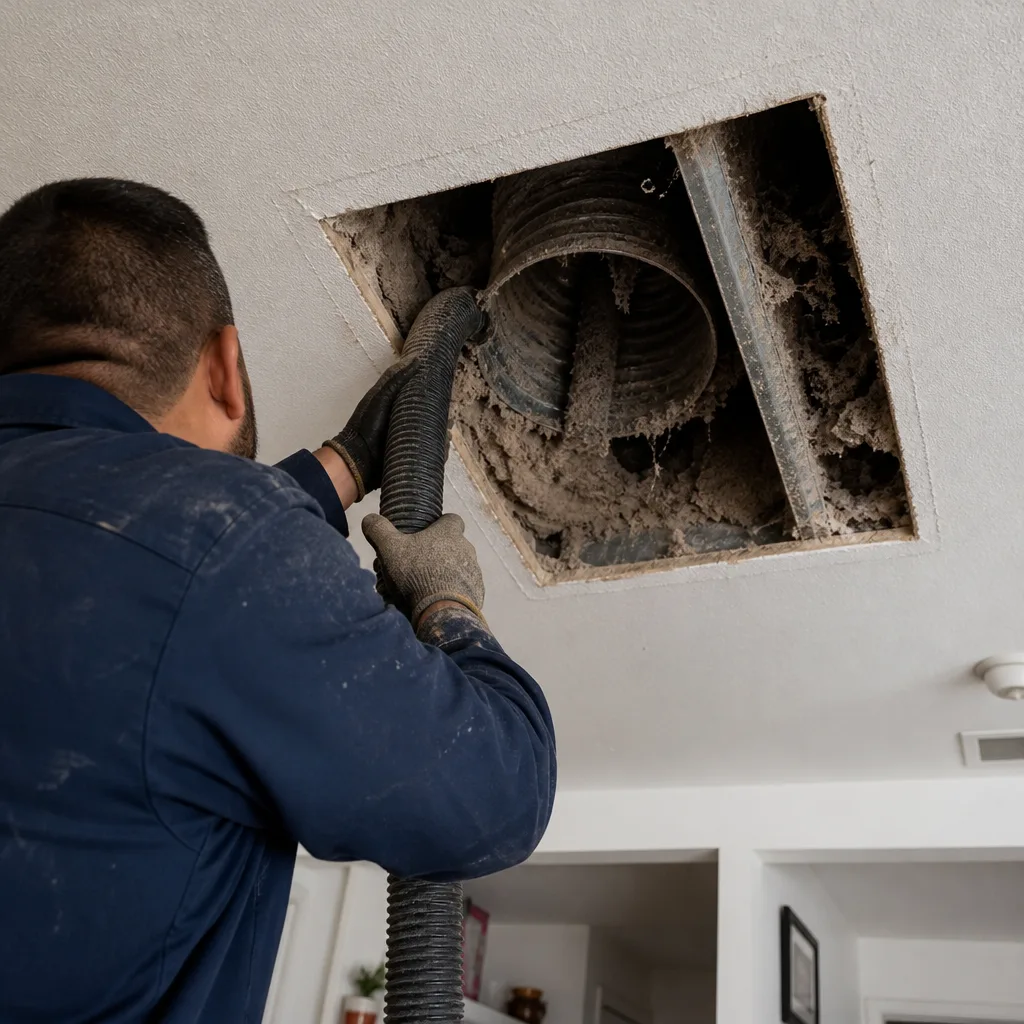 Before
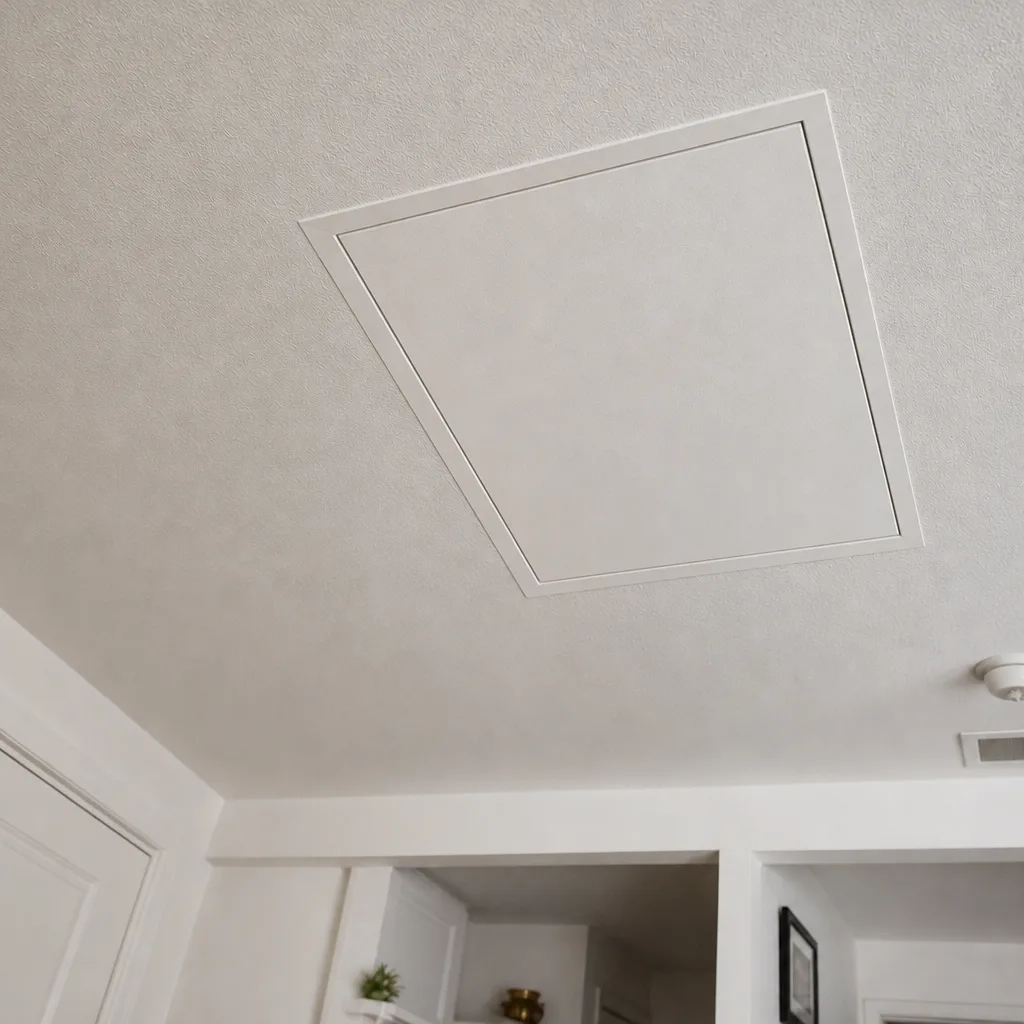 After
When to Call a Professional
Call when a visual inspection reveals register buildup beyond a light film, a sagging flex run you can see from the attic access, a plenum gap with visible air movement, or a filter that shows edge bypass. Call after any trigger event: wildfire smoke, renovation, rodent evidence, or major HVAC work. Call if your airflow log shows a measurable decline between six-month checks. And call if anyone in the home has new or worsening respiratory symptoms that don’t track with pollen season or a known allergen. Duct Cleaning Pomona offers free estimates in Pomona. Call (833) 589-9571. We answer 24/7. Fast dispatch from 7am to 7pm, Sunday through Friday.
Frequently Asked Questions
Most Pomona homes benefit from a professional evaluation every two to four years as a baseline, but the real answer is condition-based. Homes near freeway corridors or areas with higher particulate load may need more frequent cleaning. A visual inspection twice a year tells you more than a calendar interval. Call (833) 589-9571 for a free estimate.
A proper contact cleaning includes brushing the interior surfaces of all supply and return ducts with rotating brushes, extracting dislodged material under HEPA negative-air containment, cleaning the plenums, blower cabinet, and coil surfaces, and inspecting the full system for structural issues. We show you what we found, including before-and-after photos of your own ducts.
Cheaper quotes usually reflect a blow-and-go method: high-velocity air blown through the ducts without contact cleaning or containment-grade extraction. The air dislodges only what it reaches, and without proper containment, some of it ends up back in the living space. The equipment and time required for true contact cleaning with HEPA extraction costs more, and that difference is reflected in the price.
Ask for before-and-after photo or video documentation of the duct interiors. Any professional company can provide this. We photograph the duct walls before we start and after we finish, so you can see the difference in the actual surfaces, not just take our word for it.
A duct cleaning removes accumulated particulate from the airstream, which reduces the load of dust, pollen, and other irritants circulating through the house. It’s not a cure for allergies, but for Pomona homeowners dealing with year-round particulate exposure, cleaner ducts mean the HVAC system isn’t redistributing accumulated debris every time the blower runs.
No. The dryer vent is a separate exhaust duct with its own purpose and its own failure mode: lint accumulation creates a fire hazard. It’s a dedicated service with fire prevention as the primary driver, not an add-on to HVAC duct work. We offer both services, but they’re scheduled and performed separately.
The Bottom Line
A Pomona duct maintenance checklist is not a formality. It’s a set of specific, lookable conditions that tell you whether the system is clean, whether it’s filtering the air you think it’s filtering, and whether it’s degrading in ways you can measure. Inspect your registers, check your flex duct, verify your filter actually seals, and log airflow room by room. Let trigger events move you to act rather than waiting for a calendar date. When the evidence says it’s time, choose a company that cleans by contact, extracts with HEPA containment, and can repair what it finds.
Written by the team at Duct Cleaning Pomona, serving Pomona since 2015.