
Last updated November 4, 2026
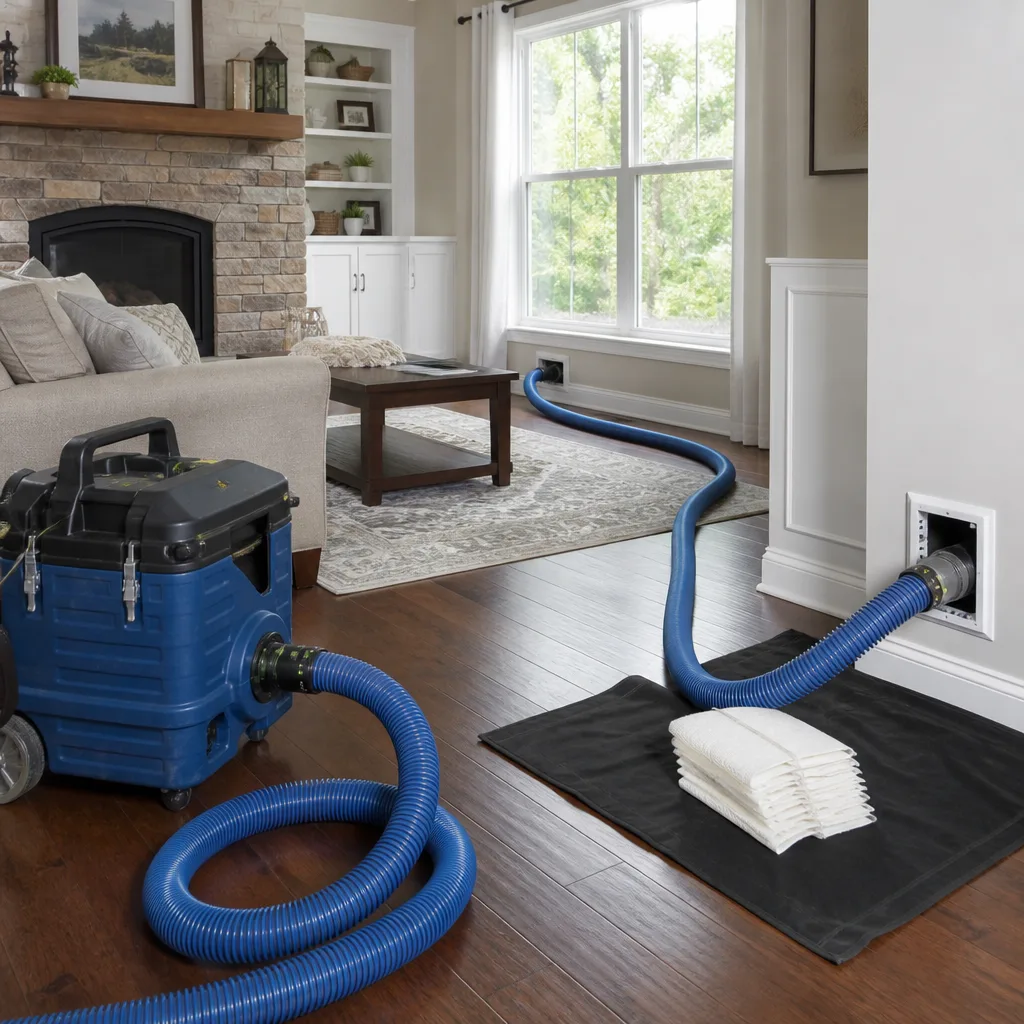 Whole-home duct cleaning
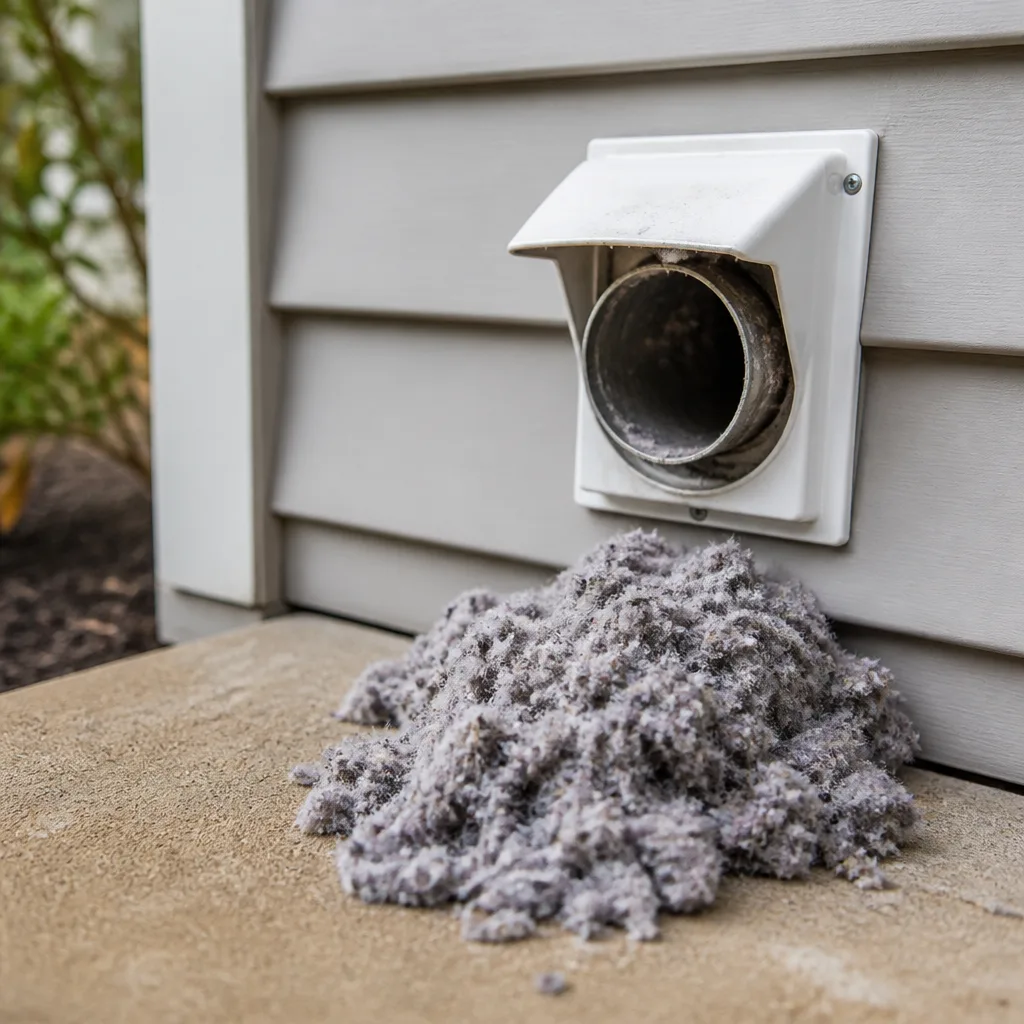 Dryer vent cleaning
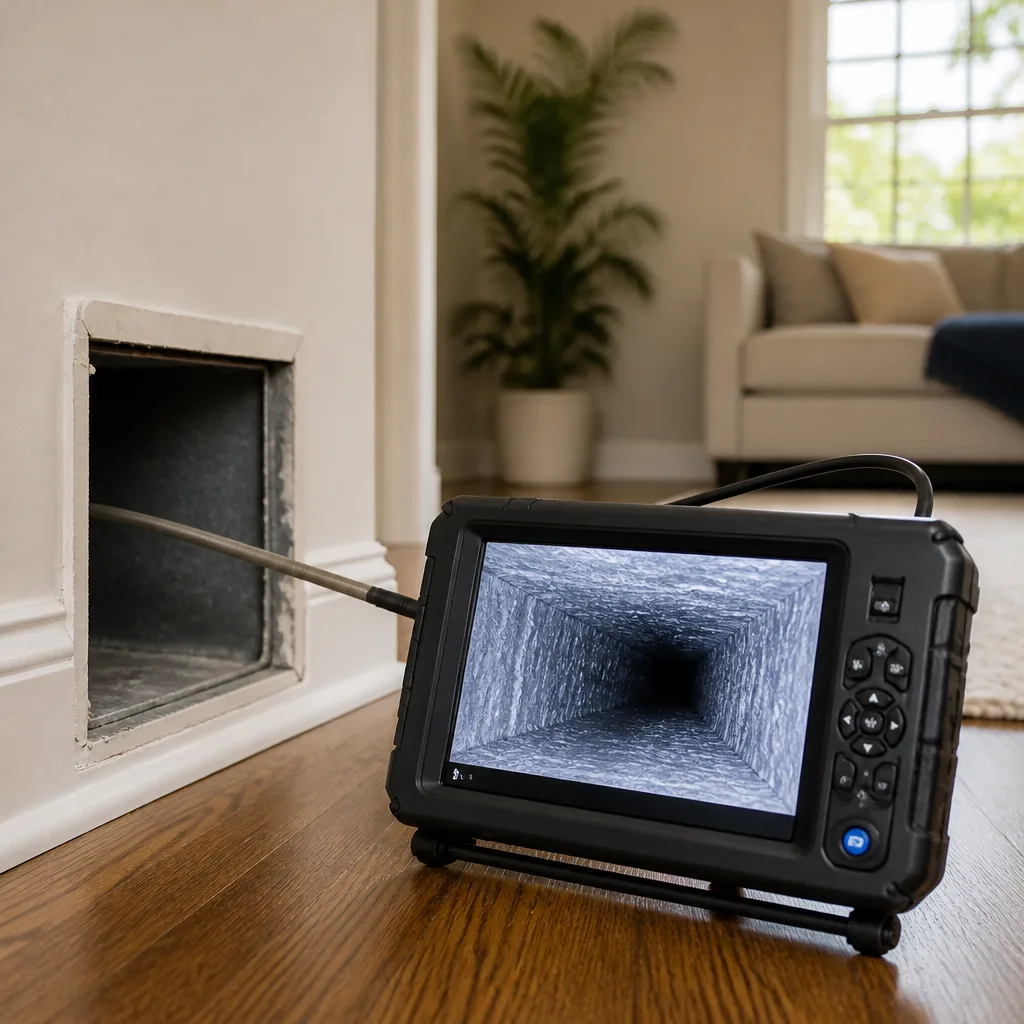 Camera inspection
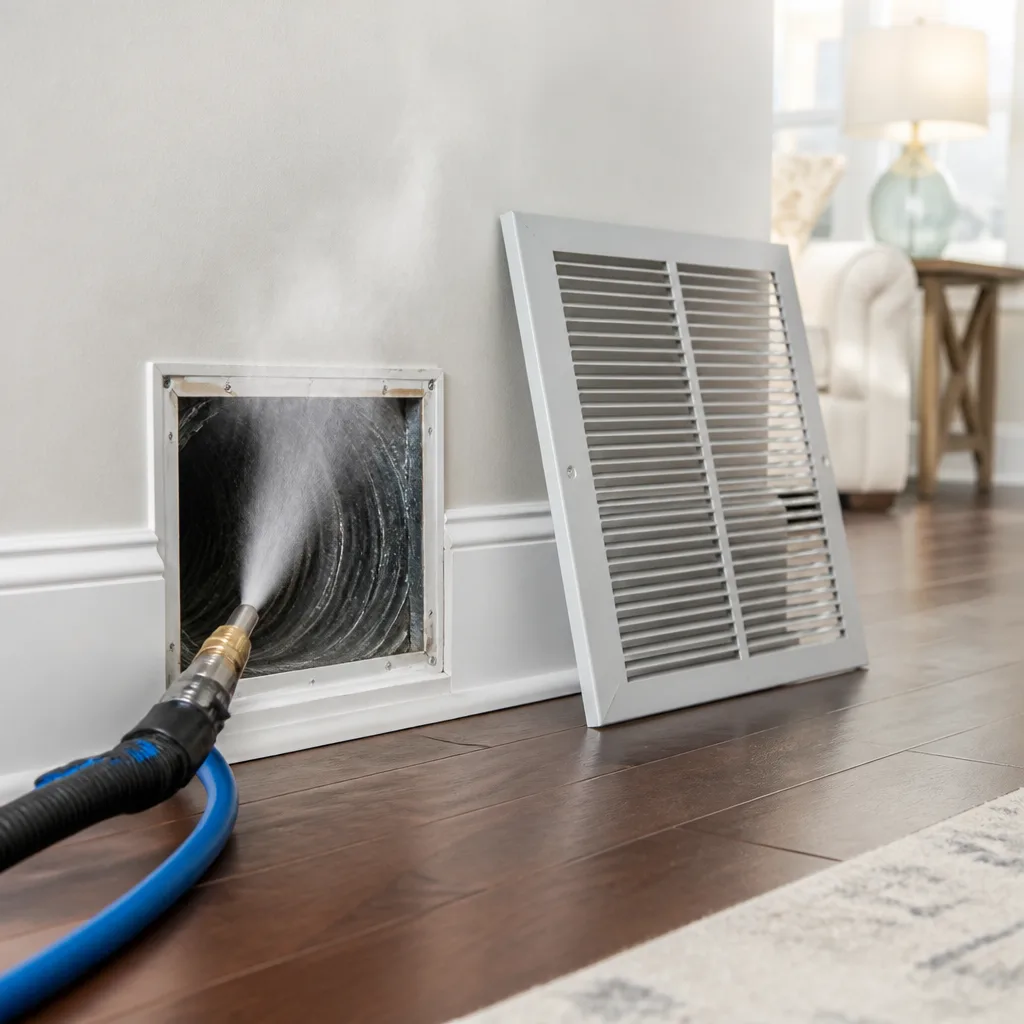 Sanitizing & deodorizing
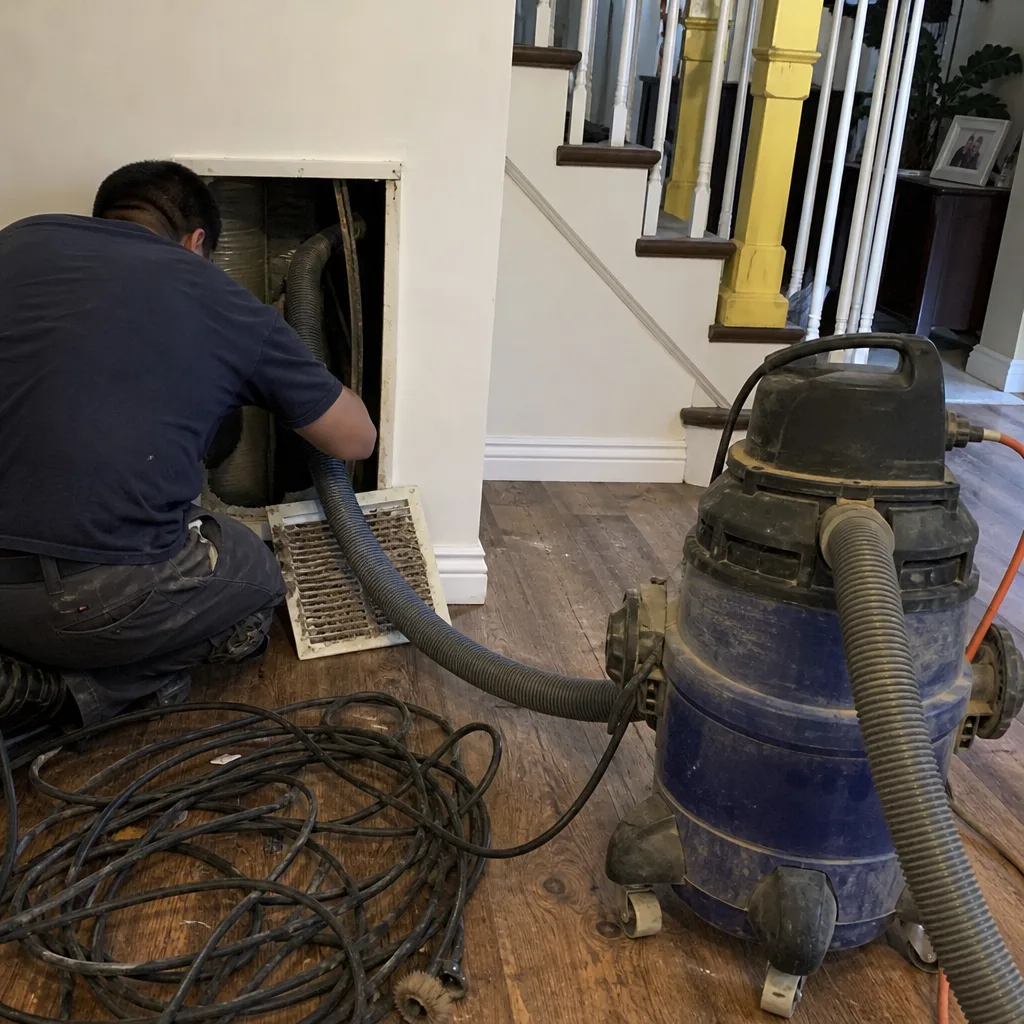
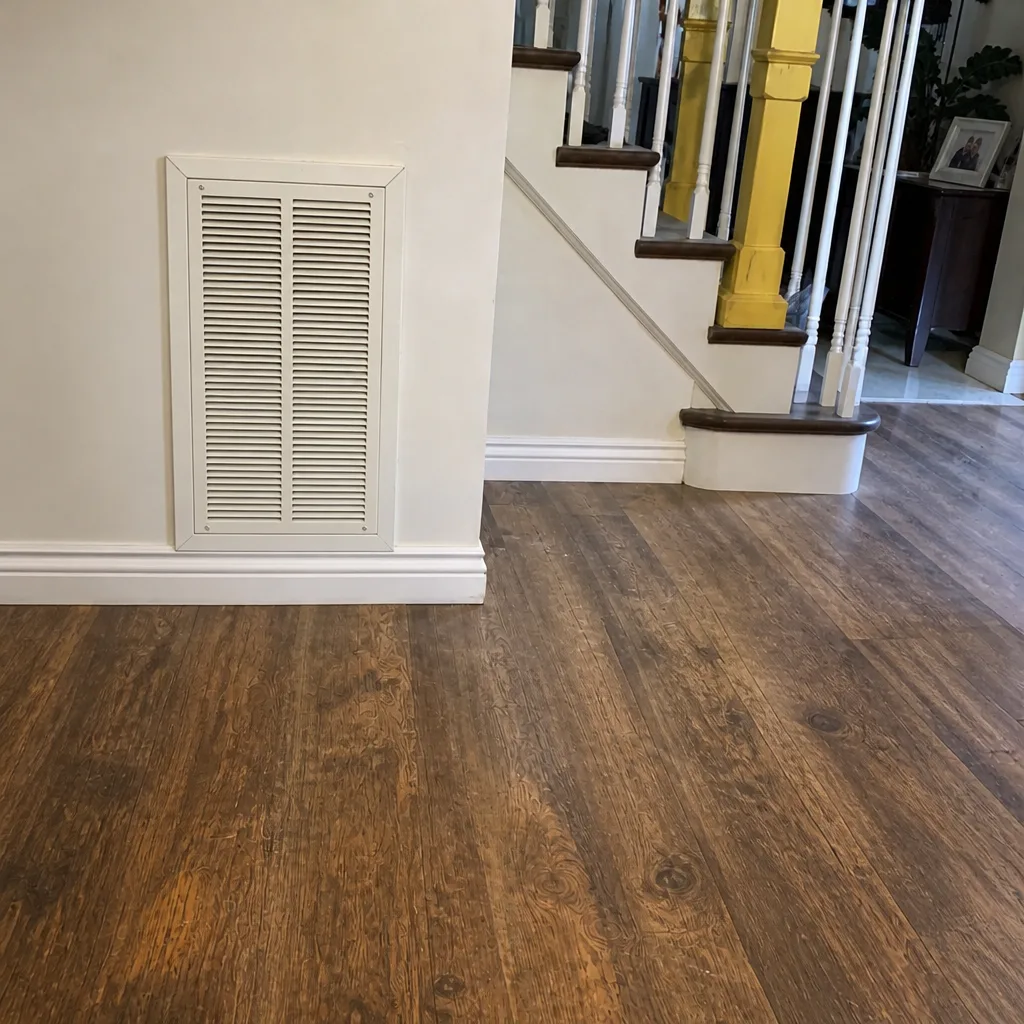
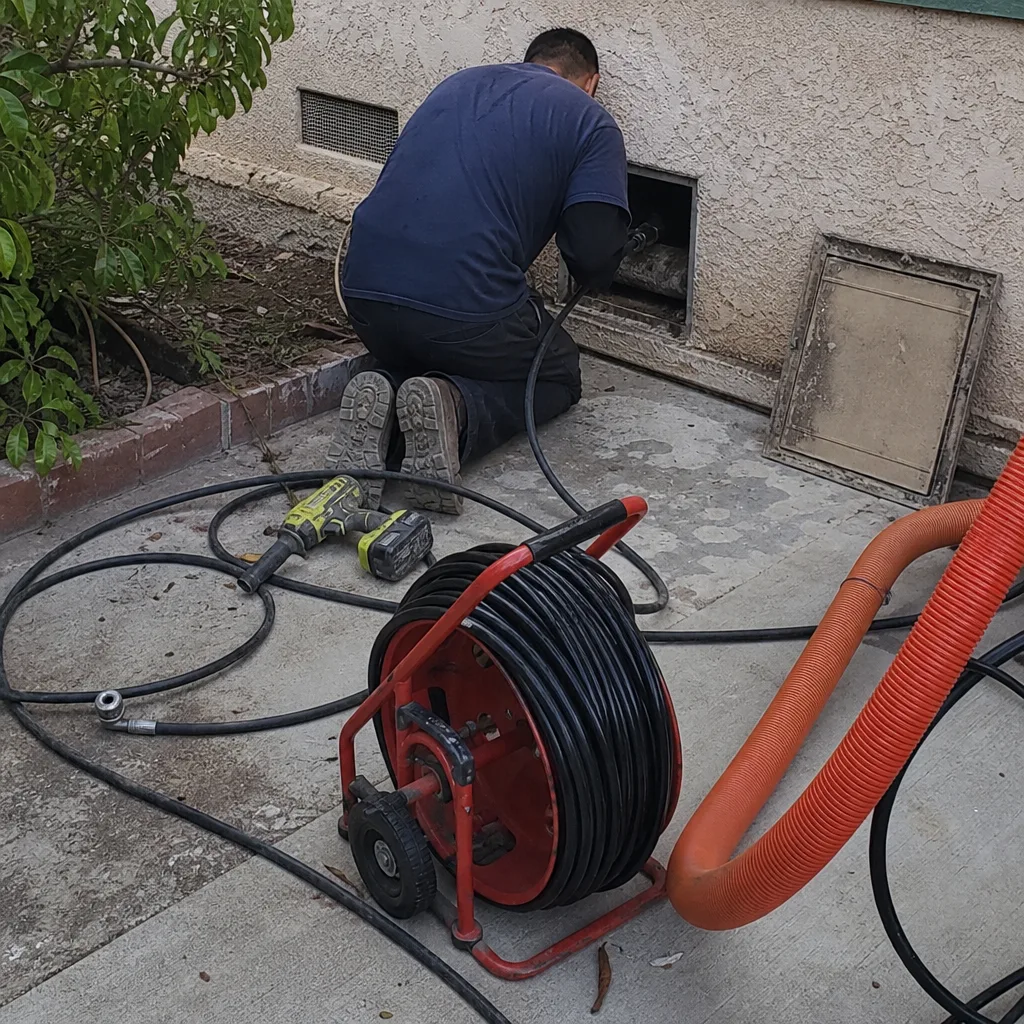
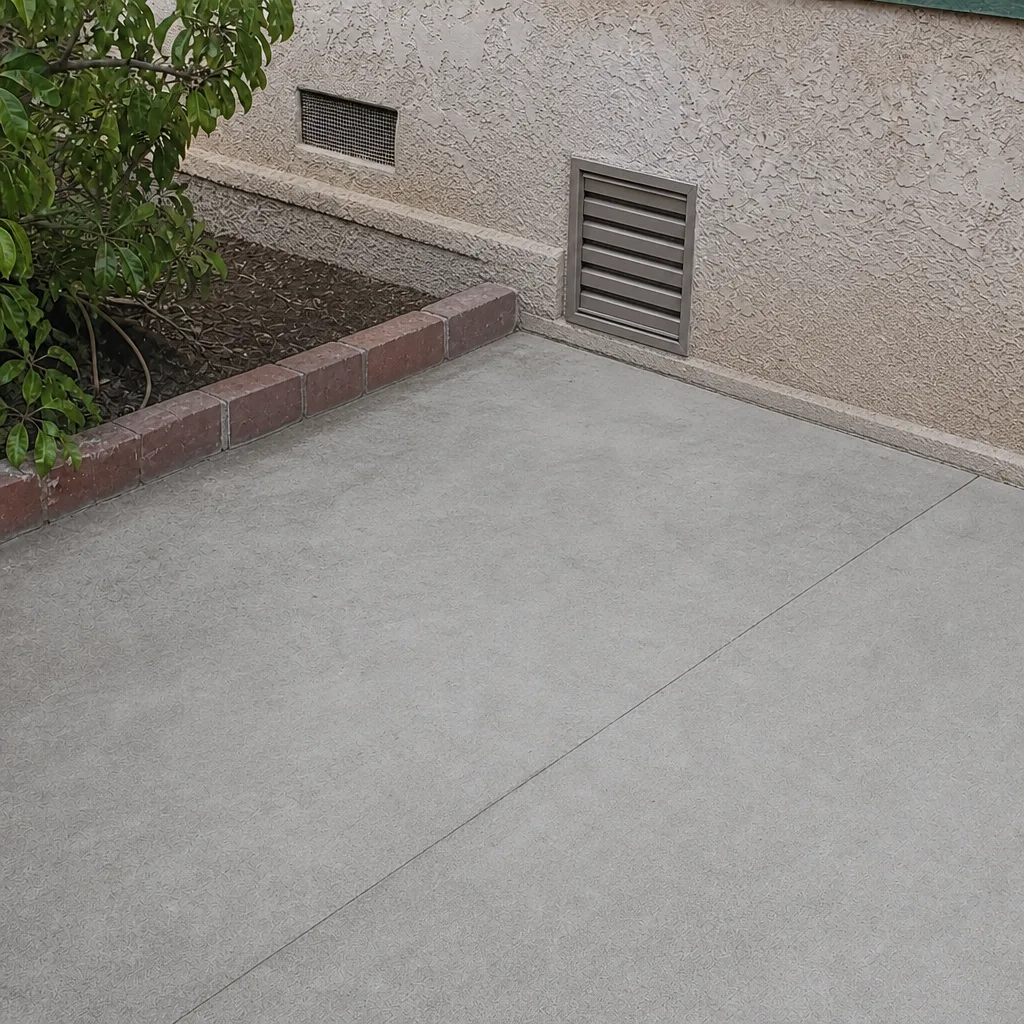
Whole-system duct and dryer vent check with before-and-after photos - you see exactly what came out of your vents
That "$99 whole-house special" is a bait ad - the real number appears once they are in your hallway, or the "clean" is a shop-vac at the register. We photograph the inside of your ducts before and after instead.
Air Duct Cleaning Maintenance Schedule: What to Do and When
Most homeowners in Pomona have been told to clean their air ducts every three to five years. That number gets repeated so often it sounds like law. But it’s not. A household running its HVAC ten months a year in Pomona accumulates particulate at roughly twice the rate of a home in a mild coastal climate, which means the national three-to-five-year guideline is quietly calibrated for someone else’s house. What actually determines your cleaning interval is runtime, filtration, occupancy, and what the air outside is doing. This guide explains how to build a schedule from those inputs instead of a calendar, so you clean when your ducts need it and skip years of unnecessary service.
Quick Answer
Most Pomona homes need air duct cleaning every 2 to 3 years when the HVAC runs heavily year-round, while homes with MERV 13 filtration, low occupancy, and moderate runtime can often go 4 to 5 years. The schedule resets after any renovation that opens walls, a significant wildfire smoke event, or a Santa Ana wind season that pushes dust through the system. Between cleanings, monthly register pulls and seasonal filter checks are the maintenance tasks that actually prevent buildup.
Styles & brands we work with
- Whole-home duct cleaning
- Dryer vent cleaning
- Camera inspection
- Sanitizing & deodorizing
Table of Contents
- Calculate Your Interval by Runtime Hours, Not Calendar Years
- The Filter-Grade Multiplier: MERV 8 vs. MERV 13 Debris Rates
- Pomona-Specific Triggers That Reset the Schedule
- What to Do Between Professional Cleanings
- How to Document Duct Condition Over Time
- What a Professional Cleaning Actually Entails
- Signs You’ve Waited Too Long
- Your Complete Pomona Duct Maintenance Checklist
Calculate Your Interval by Runtime Hours, Not Calendar Years
The single biggest variable in duct contamination is how many hours your blower fan moves air through the system. Duct debris accumulates when particles carried by airflow settle onto interior surfaces. More hours of airflow means more particles passing through, and more particles mean faster buildup. It’s that simple.
National guidelines assume a household HVAC system runs roughly 1,200 to 1,600 hours annually, typical for a climate where heating and cooling seasons balance out. Pomona’s inland valley climate doesn’t work that way. Summer temperatures routinely stay above 90°F from June through September, and winter nights regularly dip into the 40s. That means many Pomona homes run cooling from April through October and heating from November through March. Ten months of active use is common, and in some years the system never really stops.
A system running 2,200 hours annually moves nearly twice the air volume of the national average. That’s why a “five-year” schedule is often already three years too late in Pomona.
Here’s a more useful way to estimate your interval:
- Determine which months your HVAC runs at least 4 hours per day. In Pomona, that’s typically 9 to 11 months.
- Multiply that by your average daily runtime. A system that cycles 6 hours daily across 10 months runs about 1,800 hours per year.
- Compare against the 1,200-hour baseline. At 1,800 hours, you’re accumulating debris 50% faster than the national assumption.
- Adjust your interval accordingly. A home that would go 4 years at baseline should be cleaned around the 2.5 to 3 year mark.
This isn’t a hard formula with decimal-point precision. But it gets you closer to reality than any one-size-fits-all number. If you want to skip the math entirely, the practical rule for a typical Pomona single-family home with standard filtration is this: plan for air duct cleaning every three years, and pull that forward to two years if you have pets, kids bringing home dust from school sports, or anyone in the house with respiratory conditions.
The Filter-Grade Multiplier: MERV 8 vs. MERV 13 Debris Rates
Your filter’s MERV rating determines what actually reaches your ductwork, which means it’s one of the few inputs in this equation you directly control. The difference between a standard fiberglass filter and a high-efficiency pleated filter is measurable, and it changes your maintenance timeline.
A MERV 8 filter captures roughly 70 to 85 percent of particles in the 3 to 10 micron range. That leaves pollen, fine dust, and some mold spores moving past the filter and into your duct system. A MERV 13 filter captures 90 percent or more of those same particles, plus a meaningful share of the 1 to 3 micron range. The result is that a home running MERV 13 filtration simply puts less debris into the ducts over the same runtime period.
Our technicians see this difference on nearly every job. We’ve cleaned ducts in two nearly identical Pomona tract homes with similar occupancy and runtime, one running a basic fiberglass filter and one running a MERV 13 pleated filter. The fiberglass-filter home had visible dust caked onto the return side of the system at the two-year mark. The MERV 13 home showed surface film at the same interval but nothing structural. Both needed cleaning, but the MERV 13 home could have honestly gone another year.
Here’s the practical multiplier:
- Fiberglass or MERV 6-8 filters: expect the 2 to 3 year interval for Pomona runtime.
- MERV 11 filters: you can typically extend toward 3 to 4 years if occupancy is moderate.
- MERV 13 filters: 4 to 5 years is realistic for a low-dust household, provided nothing else resets the schedule.
One important caveat: higher MERV ratings increase static pressure in some systems, and not every older HVAC unit can handle a MERV 13 filter without airflow restrictions. If you’re considering upgrading your filtration, check your system’s specifications first. Honeywell and Aprilaire both publish pressure-drop data for their filter lines, and a proper installation keeps the system running within its rated airflow. Our team works alongside Honeywell and Aprilaire IAQ systems regularly, so if your ductwork feeds into integrated air-quality equipment, the filtration conversation gets more specific: the filter at the equipment is only half the story, and the duct condition downstream still matters.
Pomona-Specific Triggers That Reset the Schedule
Runtime and filtration are the baseline inputs. But Pomona has distinct environmental events that override whatever interval you’ve calculated. When these happen, the schedule resets regardless of when you last cleaned.
Santa Ana wind events. The Santa Anas are a defining feature of inland Southern California weather. When they blow through Pomona, they carry fine dust and particulate from the high desert and push it into every gap in the building envelope. We see it in the field: after a multi-day Santa Ana event, register covers and return grilles in Pomona homes show a visible film of dust that accumulates in a matter of days, not months. If a strong wind season blows through, consider whether your next cleaning should come sooner.
Wildfire smoke incursions. Wildfire smoke is not a single particle type. It’s a mix of fine ash, partially combusted organic material, and volatile compounds, and it behaves differently from household dust. Smoke particles are small enough to pass through most residential filters temporarily and are capable of depositing onto duct surfaces further into the system than typical household debris. If your Pomona home experiences several days of visible smoke intrusion during fire season, even with windows closed, schedule a duct inspection. You may not need a full cleaning, but you need eyes on the system.
Renovation that opens walls. Any construction project that cuts drywall, sands joint compound, or disturbs framing generates particulate that household air circulation will draw into the return side of the HVAC system. Drywall dust is especially problematic: it’s fine, abrasive, and tends to cling to everything. If you renovate a kitchen, bathroom, or any room connected to the ducted system, plan for a duct cleaning after the project is finished and the construction dust has settled. Skipping this step means the next several months will recirculate that dust every time the system runs.
New flooring installation. Carpet removal releases embedded particulate even in a well-maintained home. New carpet installation introduces fibers and adhesive off-gassing during initial weeks. Either event sends material through the return registers. Our rule for Pomona homes is straightforward: if you replace flooring in a room with a return register, treat that as a schedule reset for that portion of the system.
Pet additions or household changes. A new dog or cat increases dander and hair accumulation on a schedule no filter entirely solves. Multiple shedding pets, especially with high HVAC runtime, can bring a four-year interval down to two years.
What to Do Between Professional Cleanings
Professional cleaning handles the deep contamination, but the weeks and months between cleanings are where good habits prevent the next layer from settling in. These tasks are simple, take minutes, and make your next cleaning more effective.
Monthly tasks:
- Pull two or three register covers and visually inspect the visible duct surface. You’re looking for gray film, visible dust accumulation, or that matted look that means debris has started bonding to the metal.
- Vacuum the register covers themselves. A brush attachment handles most of what collects on the grille in a Pomona household.
- Check the return grille for visible buildup. This is the highest-traffic entry point for household air, and if it’s clogged, the filter has likely been doing more work than it should.
Seasonal tasks:
- Replace or clean your filter on the manufacturer’s interval, not the standard “every 90 days” rule. A MERV 8 filter in a Pomona home with pets often needs replacing every 60 days during heavy cooling months.
- Inspect the area around your outdoor condenser unit. Debris pulled into the outdoor coil reduces system efficiency and forces longer runtime for the same comfort, which indirectly increases duct loading.
- Ask anyone in the household whether allergy symptoms have changed. An uptick in symptoms during shoulder seasons often correlates with system runtime changes and can signal that buildup is starting to matter.
One thing we tell every Pomona homeowner: do not attempt to clean your own ducts with a shop vac or a long brush from the hardware store. The interior surface area is far larger than the few feet you can reach from a register, and dislodging debris without proper negative-pressure extraction just redistributes it into living spaces. Contact cleaning and extraction are a professional job for a reason. The monthly check is about monitoring, not cleaning.
How to Document Duct Condition Over Time
Most homeowners can’t tell you what their ducts looked like two years ago. That’s the problem with maintenance schedules based on memory. You can solve it with about five minutes of documentation per month.
The goal is a simple visual record that shows progression over time, so when you do call for a cleaning, you can describe the condition accurately and the technician can scope the job without guesswork.
- Choose two or three register locations that are representative: one on the return side, one in a high-use living area, one in a bedroom.
- Once every month or two, take a photo of the visible duct surface with your phone’s flash on. Same register, same angle, same time of day if possible.
- Store the photos in a dedicated album with the date in the filename. That’s the entire system.
- When you review the photos over time, you’ll see whether the film is getting thicker, whether it’s staying stable, or whether a specific event caused a visible change.
This documentation is genuinely useful when you call a Duct Cleaning Pomona professional. Instead of saying “I think it’s been maybe four years,” you can pull up a photo from six months ago and a photo from last week and say “this is what changed after the last Santa Ana event.” That tells the technician exactly what they’re dealing with and whether the contamination looks recent or long-standing.
Documentation also protects you. If a contractor tells you your ducts are in terrible condition after a renovation, you’ll have a baseline that shows what they looked like before the drywall dust settled.
What a Professional Cleaning Actually Entails
This section matters because the phrase “duct cleaning” covers a wide range of services, and not all of them are equal. In Pomona, you’ll find operators charging a flat rate with a shop vac and a vague promise, and you’ll find companies running containment-grade equipment. Those are not the same service.
A proper cleaning starts with an inspection of the whole system: supply and return plenums, the air handler or furnace cabinet, the blower fan, and the visible duct runs. That inspection is how a technician determines whether the contamination is uniform or concentrated, and whether there’s structural damage that needs addressing before or during the cleaning.
The cleaning itself should involve contact agitation, not just airflow. This is where the Rotobrush system we run makes a practical difference. Rotating brushes physically scrub the interior duct surfaces, dislodging the bonded film that air pressure alone won’t move. Once that debris is dislodged, it needs to go somewhere, which is where negative-pressure extraction comes in. We deploy Nikro HEPA negative-air machines, the same class of equipment used in abatement and remediation environments, to pull dislodged contaminants out of the living space rather than recirculating them.
Alongside the extraction, Abatement Technologies filtration adds another layer of particle control on the exhaust side. The point of that equipment chain is simple: when we leave a Pomona home, the air inside the ducts is cleaner, and the air in the living spaces hasn’t been made worse by the process itself.
And here’s the distinction that matters most when you’re comparing quotes: we also repair what we find. Duct cleaning companies that only clean will walk away from a separated duct joint, a collapsed section, or a poorly sealed connection and leave you with the same problem that caused the contamination in the first place. Our team performs air duct repair as part of the same visit. The service arc is straightforward: clean it, then fix it. You don’t need two companies and two appointments.
Signs You’ve Waited Too Long
Some Pomona homeowners don’t maintain a schedule at all until a symptom forces the issue. If any of these apply, the cleaning is overdue and should be scheduled regardless of what the calendar says.
- Visible dust on registers or walls near vents. Dark streaks or accumulating dust on the wall above a supply register usually means the duct interior is releasing particles back into the room.
- A persistent dusty smell when the system first kicks on. That “dusty furnace” smell is suspended particulate that settled inside the system and gets pushed out at the start of each cycle.
- Reduced airflow from some registers but not others. Inconsistent supply air can mean a partial blockage or a structural duct problem, both of which a cleaning visit can identify and address.
- Unexplained allergy or respiratory symptoms that improve when you leave the house. This is not a medical claim. But if symptoms track with time spent in the home and not with seasonal pollen, indoor air quality is a reasonable suspect.
- You’ve owned the home for several years and have never cleaned the ducts. Previous owners rarely leave a maintenance record, and the safest assumption in Pomona’s climate is that the system has been accumulating since the last sale.
Your Complete Pomona Duct Maintenance Checklist
This is the whole guide in checklist form. Print this or save it somewhere useful.
- Determine your runtime category. Heavy (9+ months of active HVAC), moderate (6-8 months), or light (under 6 months). Most Pomona homes fall into heavy.
- Identify your filter grade. Check the MERV rating on the filter you currently run, then set a baseline interval: 2-3 years for MERV 8 or below, 3-4 for MERV 11, 4-5 for MERV 13.
- Adjust for occupancy. Pets, children, and household members with respiratory sensitivities all pull the interval forward.
- Track environmental events. Santa Ana wind seasons, wildfire smoke days, and any interior renovation all reset the schedule.
- Do the monthly visual check. Pull a few registers, look for film, vacuum the covers.
- Replace the filter on time. Not on a generic 90-day cycle, but on the interval your filter’s manufacturer specifies for your MERV rating and household conditions.
- Document with photos. Same registers, consistent angles, dated filenames.
- When the interval arrives, schedule a professional cleaning. Call Pomona specialists who use contact cleaning and negative-pressure extraction, not just an air wand.
Common Mistakes to Avoid
- Following the national 3-5 year guideline without adjustment. That number assumes a cooler, shorter cooling season than Pomona’s. Applying it here means most homes get their first cleaning years after buildup became significant.
- Using a fiberglass filter and expecting a 5-year interval. A filter that costs a dollar catches almost nothing. The debris it lets through becomes your duct contamination, and the cleaning comes sooner.
- Vacuuming a register and calling it a cleaning. Removing dust from the visible grille does nothing for the duct interior. You’ve cleaned the cover, not the system.
- Skipping post-renovation cleaning. Drywall dust settles into duct interiors and stays there for years, slowly reintroducing itself into the air every cycle. A renovation without a duct cleaning is an unfinished job.
- Hiring the lowest bid without asking about method. A blow-and-go operator with a portable vacuum can make the ducts look cleaner on camera without removing the bonded film. Then you pay twice: once for the ineffective cleaning, once for the real one.
- Ignoring the dryer vent because it’s not part of the HVAC system. Lint accumulation in a dryer vent is a separate but related problem, and in Pomona homes with long interior vent runs, it can become a fire hazard. Schedule dryer vent cleaning on its own schedule, typically every 12 to 18 months.
- Waiting for a symptom before doing anything. By the time you notice a dusty smell or visible streaking on the registers, the system has been recirculating contaminated air for a while. Maintenance is cheaper than remediation, and a written estimate from a reputable Duct Cleaning Pomona professional costs nothing.
See the difference
 Before
 After
 Before
 After
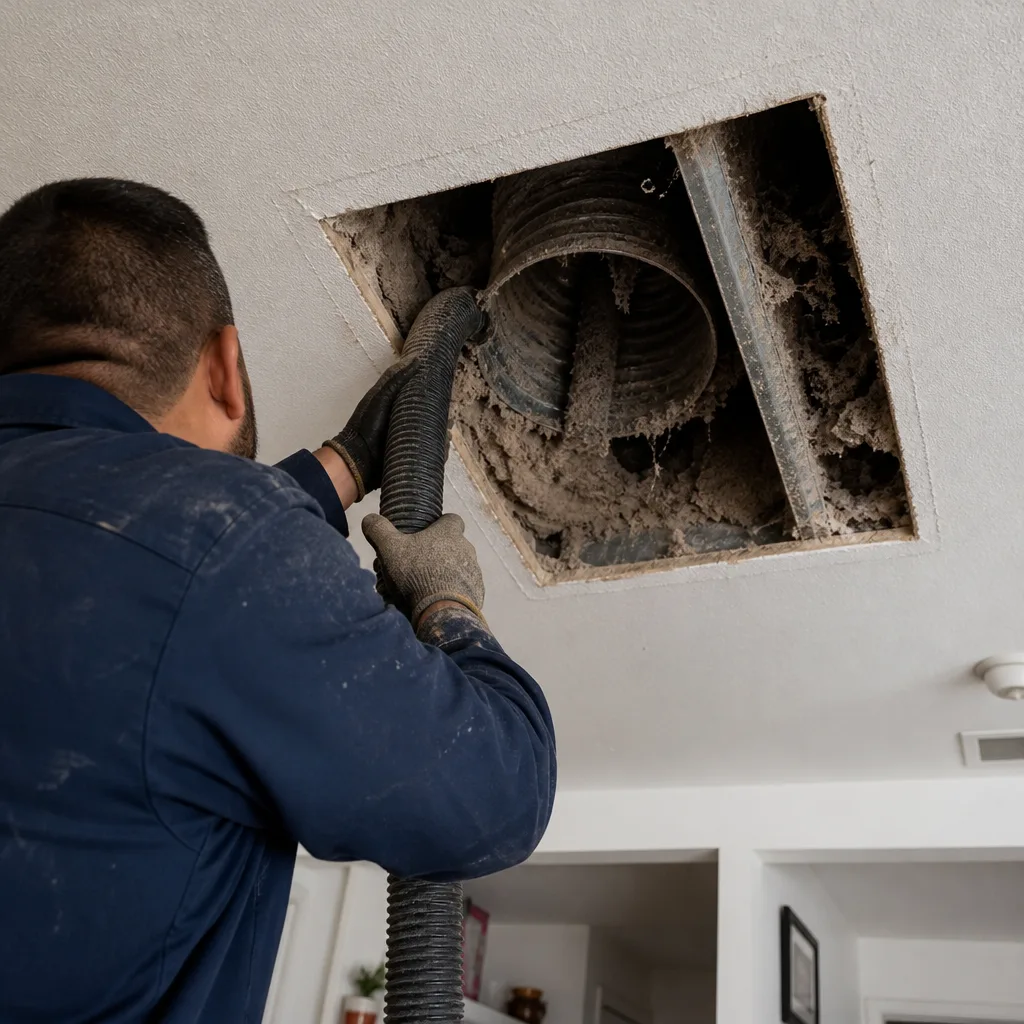 Before
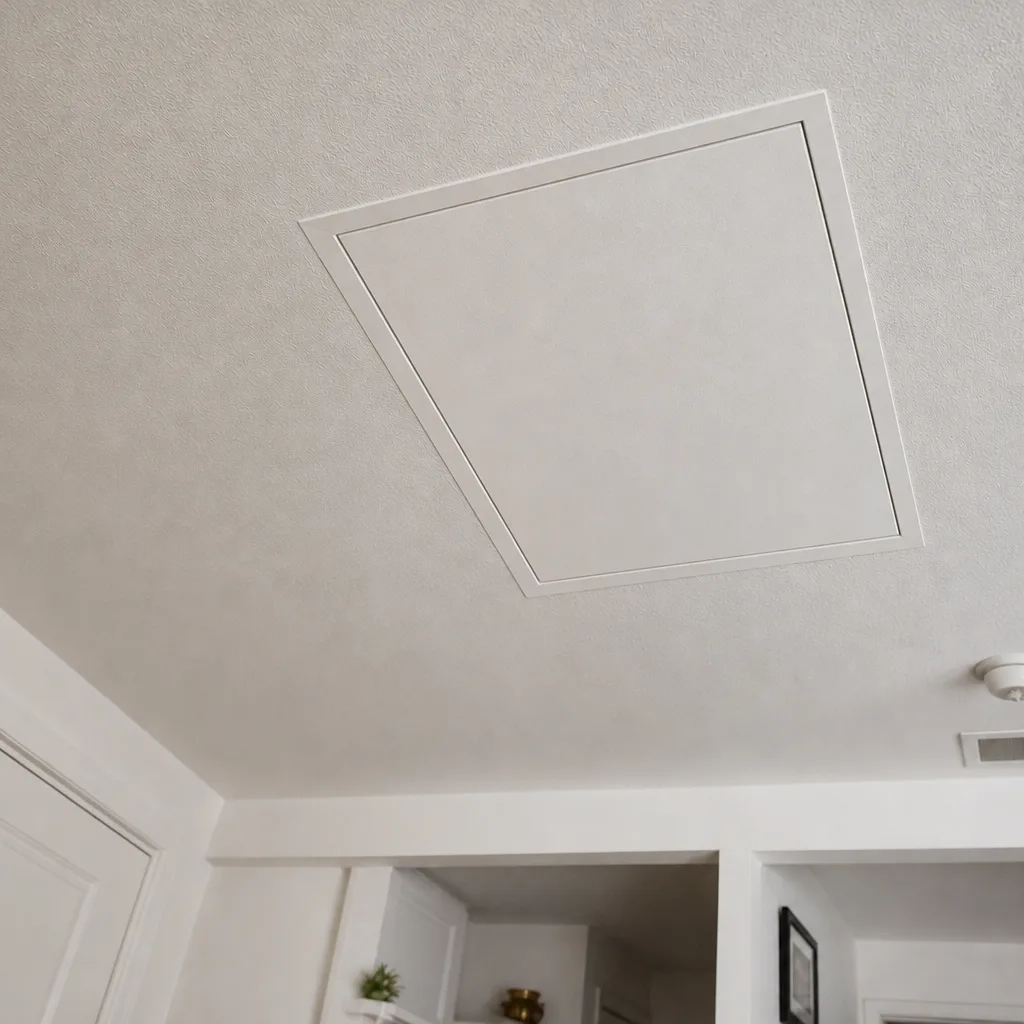 After
When to Call a Professional
Call when your documented baseline shows visible progression, when a trigger event has occurred, or when the interval you’ve calculated arrives. Call sooner if someone in the house has a respiratory condition and symptoms track with time spent indoors. And call if you’ve never seen the inside of your ducts and you’ve owned the home for more than two years in Pomona’s climate. The inspection is how you stop guessing. Duct Cleaning Pomona offers free estimates in Pomona – call (833) 589-9571. We answer 24/7. Fast dispatch from 7am to 7pm, Sunday through Friday.
Frequently Asked Questions
Most Pomona homes need air duct cleaning every 2 to 3 years because the extended warm season pushes HVAC runtime well above the national average that the standard 3-to-5-year guideline is based on. Homes with MERV 13 filtration and moderate occupancy can often extend to 4 or 5 years. The right interval comes from your runtime, filter grade, and household factors, not a calendar.
No. A higher MERV filter slows debris accumulation, which can extend your interval, but it doesn’t capture everything and it doesn’t remove anything already in the ducts. Even homes running MERV 13 filtration eventually collect the fine particulate that passes through, and that buildup still needs professional contact cleaning. Call (833) 589-9571 to discuss what filter-grade and cleaning interval fit your system.
Ask to see documentation of the before-and-after condition. A professional using contact cleaning should be able to show you the interior surfaces after brushing and extraction, and our practice is to show you what we found, including photos of the duct interior before and after the Rotobrush agitation and Nikro negative-air extraction. If a company can’t produce visuals, you’re taking their word for it.
Because they’re selling a different service. A low quote often means the technician brings a portable vacuum and an air wand, spends 30 to 45 minutes in the home, and never touches the interior surfaces in a meaningful way. Contact cleaning with negative-pressure extraction takes longer, requires commercial equipment, and addresses the bonded debris that air pressure alone misses. The written estimate should specify the method, not just the price.
Almost always, if the renovation involved drywall work, sanding, or flooring. Construction dust enters the return side of the system and settles throughout the duct interior, and it stays there until it’s physically removed. In Pomona, we recommend scheduling the cleaning after construction ends and after the demolition dust has settled, typically one to two weeks after the final cleanup.
You can remove debris from the first few feet of duct visible from a register, but you cannot access the full run, the supply and return plenums, or the blower cabinet. Dislodging material without proper negative-pressure extraction risks redistributing contaminants into the living space. The interior surface area of a typical duct system is hundreds of square feet, and reaching it properly requires contact cleaning equipment and containment-grade extraction.
The Bottom Line
Your duct maintenance schedule should be built from how your house actually lives, not from a generic national guideline. In Pomona, the extended cooling season and inland valley air quality shorten intervals for most homes, while higher-MERV filtration and disciplined filter replacement can extend them. The tasks between cleanings are small: monthly visual checks, seasonal filter replacement, and simple photo documentation. None of it is complicated, but it compounds. When the interval you’ve calculated arrives, call a professional who uses contact cleaning and negative-pressure extraction, not an air wand and a promise. The free estimate sets the scope, and the photos we show you set the record.
Written by the team at Duct Cleaning Pomona, serving Pomona since 2015.