
Last updated November 4, 2026
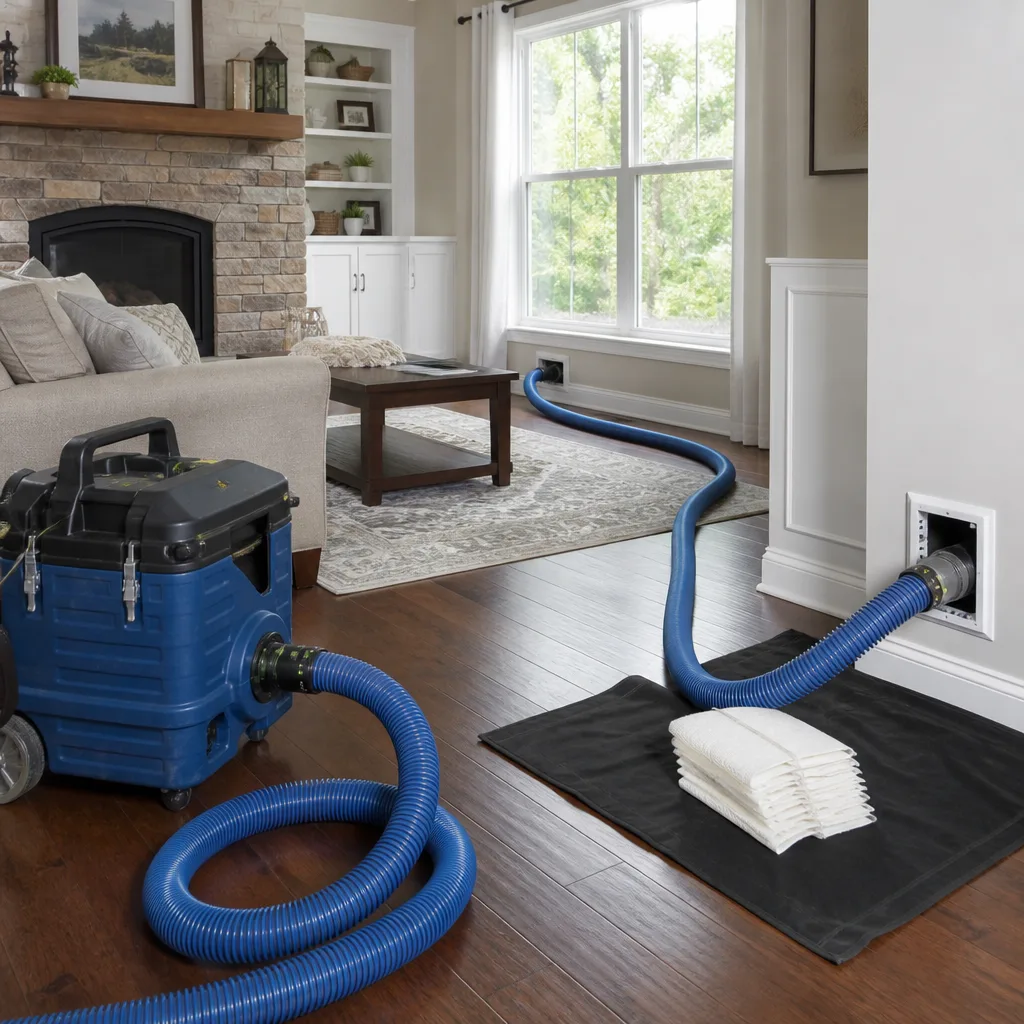 Whole-home duct cleaning
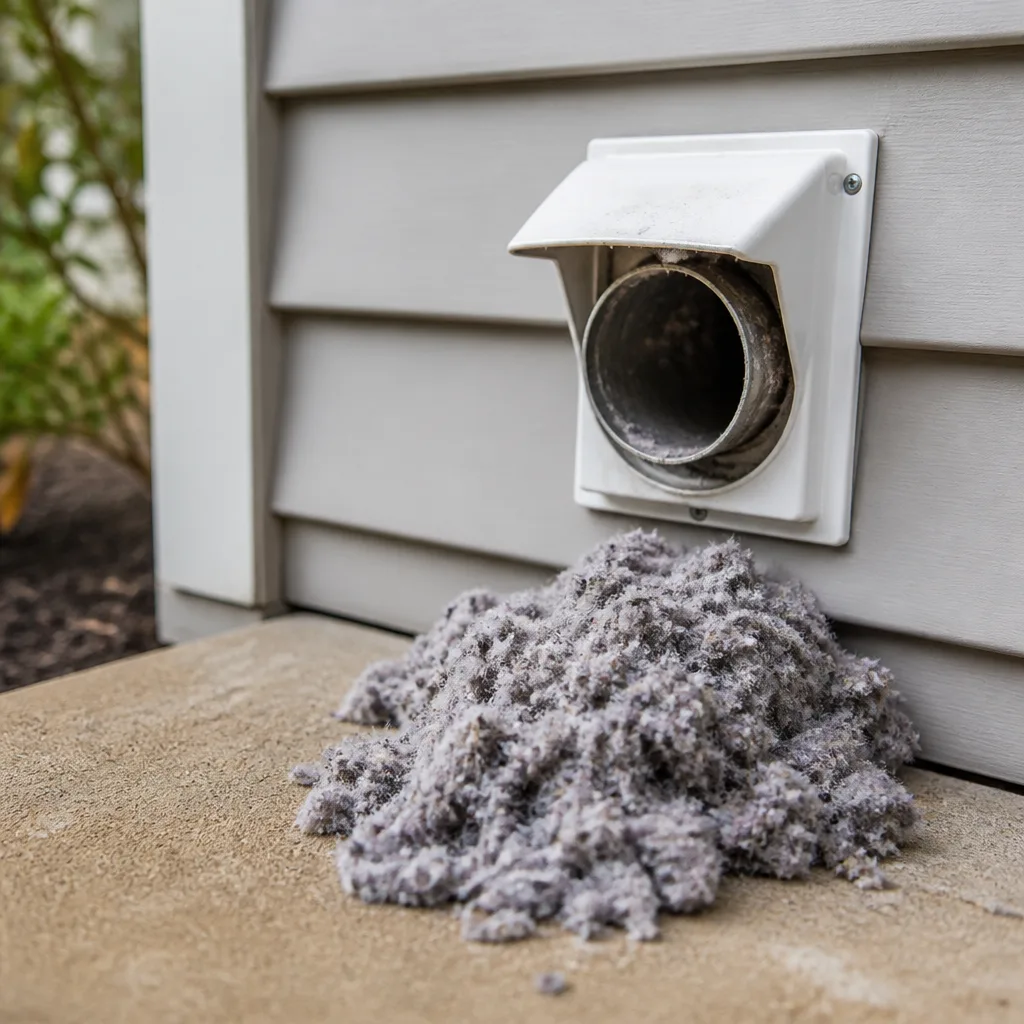 Dryer vent cleaning
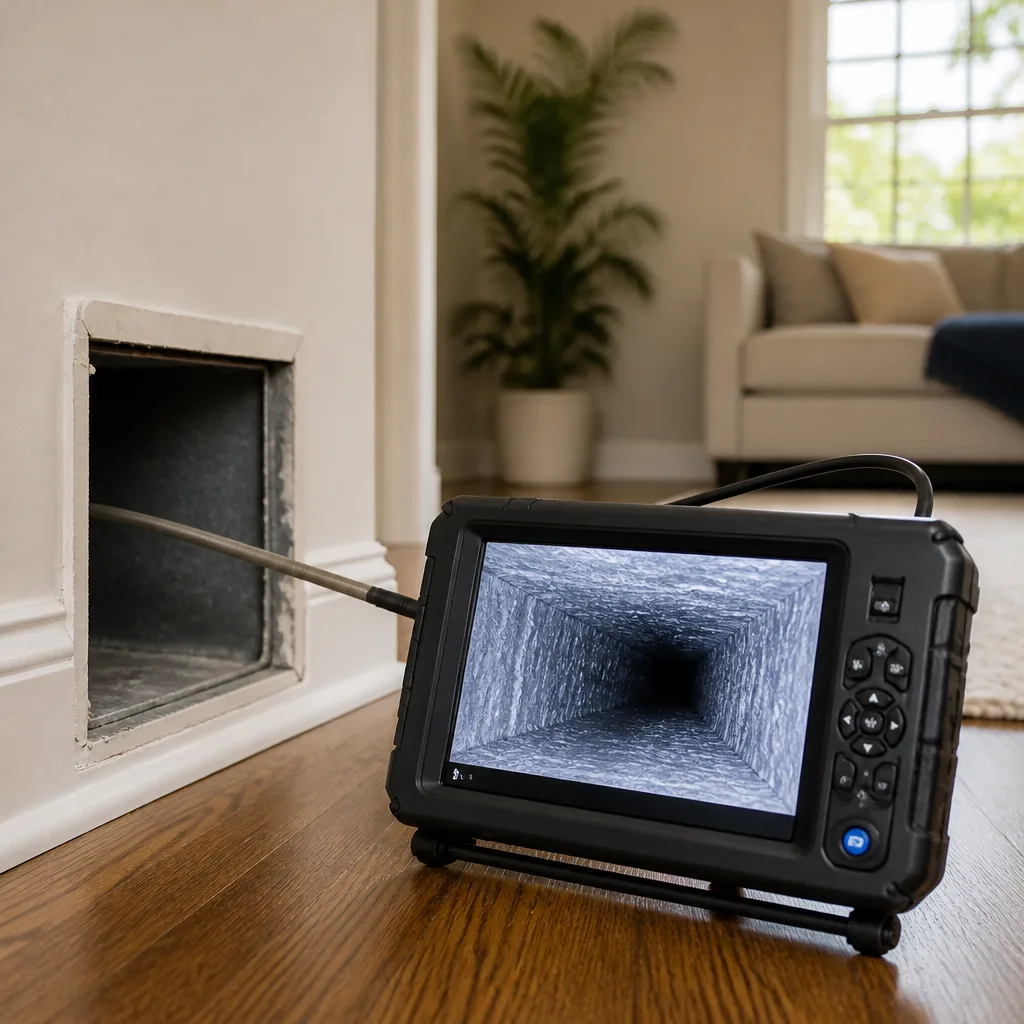 Camera inspection
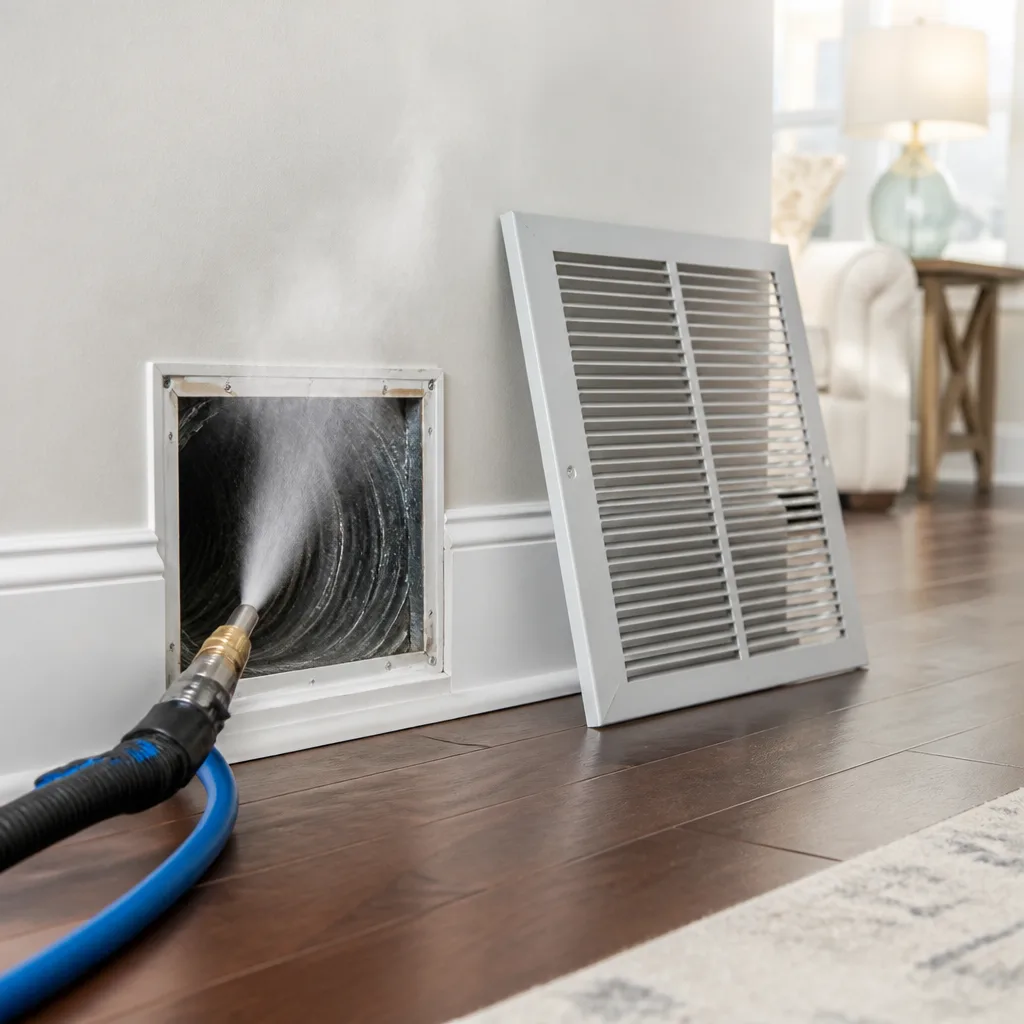 Sanitizing & deodorizing
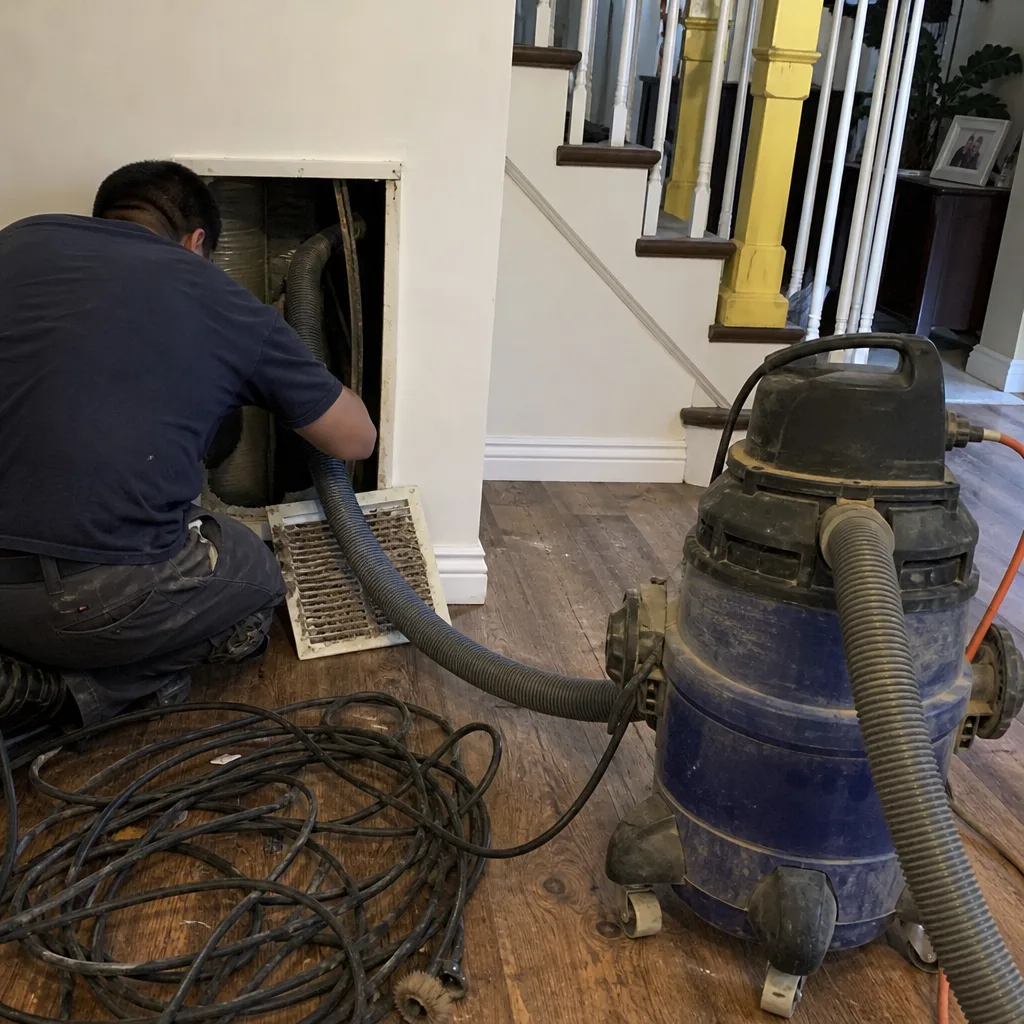
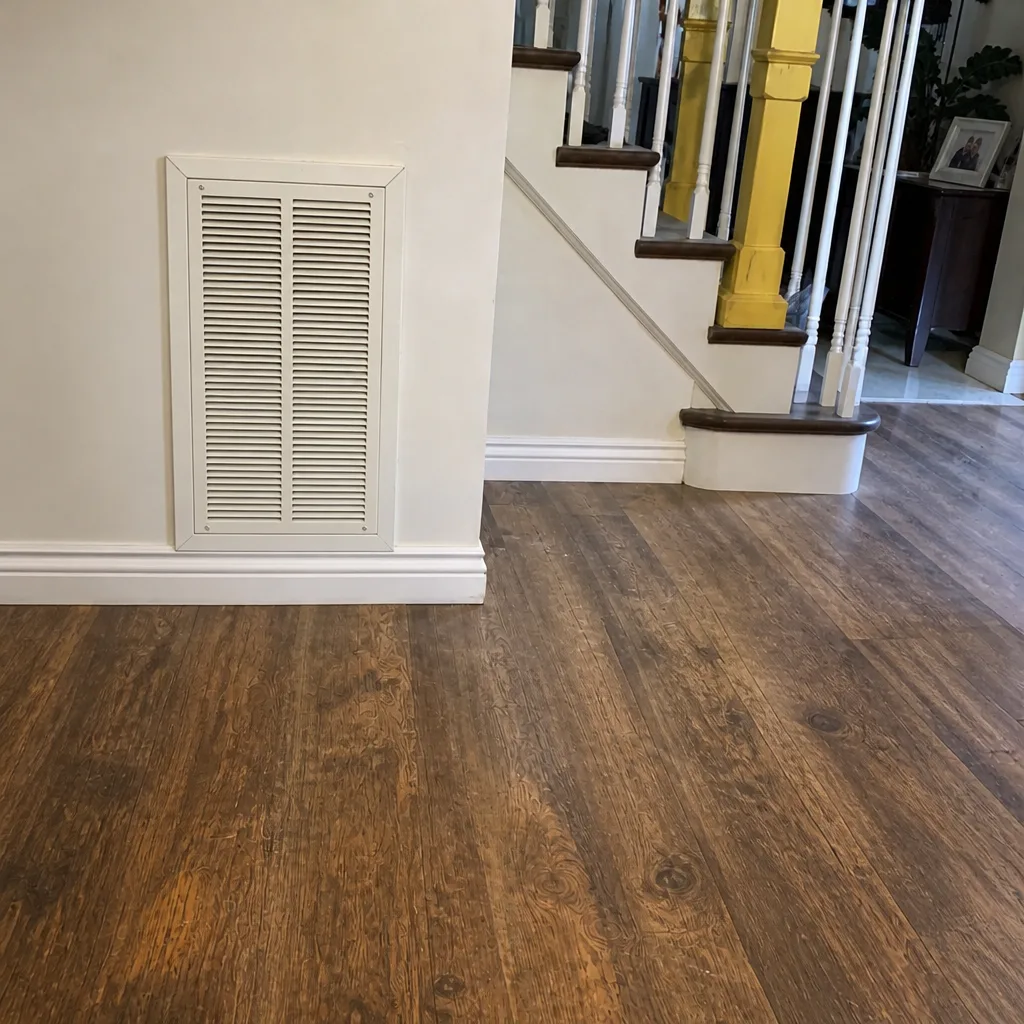
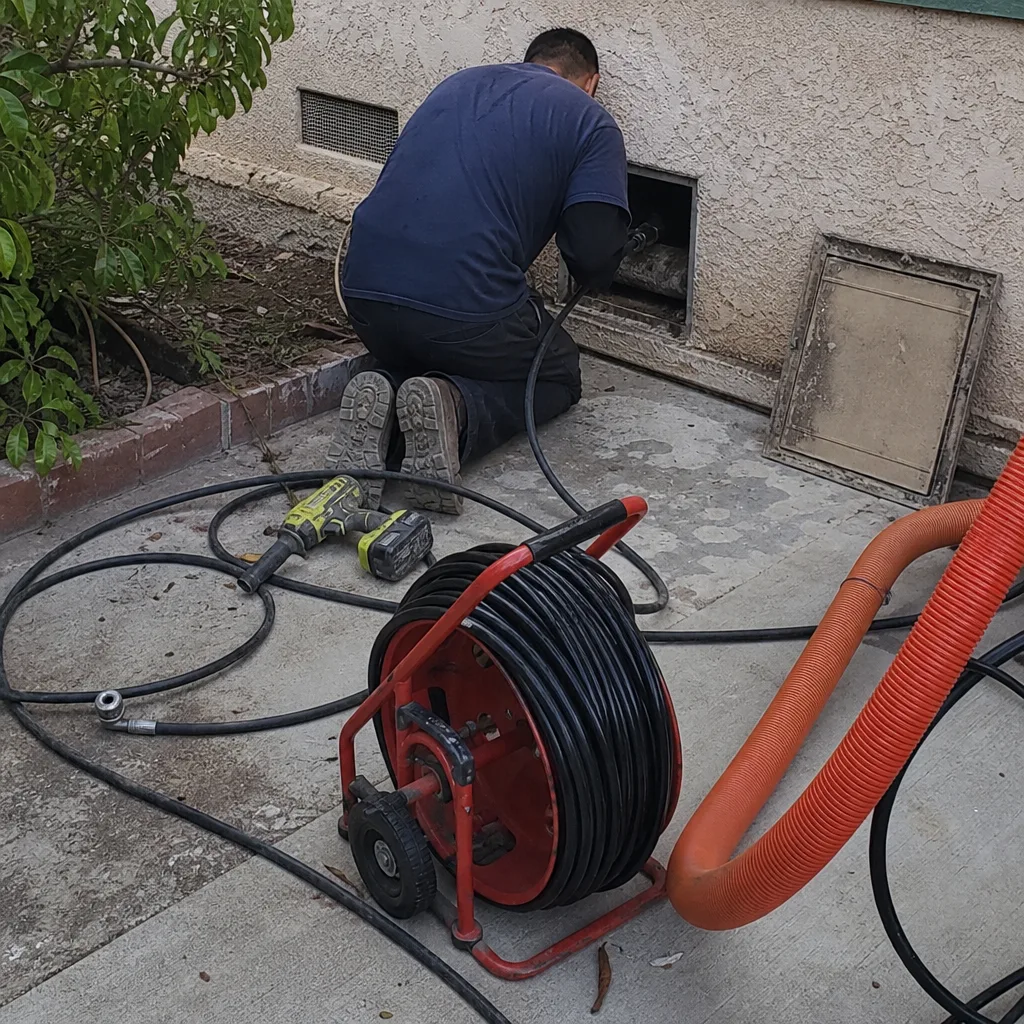
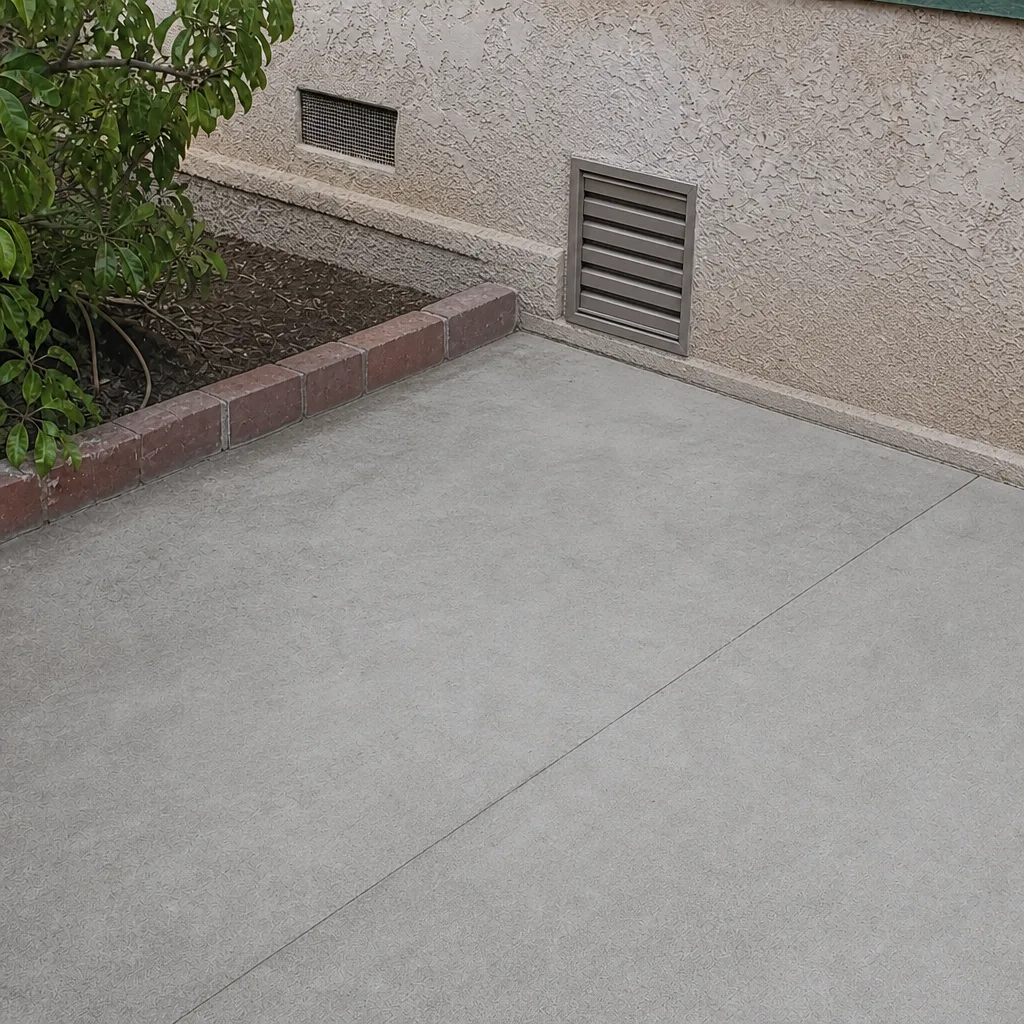
Whole-system duct and dryer vent check with before-and-after photos - you see exactly what came out of your vents
That "$99 whole-house special" is a bait ad - the real number appears once they are in your hallway, or the "clean" is a shop-vac at the register. We photograph the inside of your ducts before and after instead.
How to Hire an Air Duct Cleaning Contractor in Pomona: A Step-by-Step Guide
Here’s the thing most Pomona homeowners don’t realize when they see a $99 whole-house duct cleaning flyer: that price is not a discount. It’s a business model. The company isn’t losing money to get in your door. They’re planning to manufacture a problem once they’re inside, show you a photo of “contamination,” and convert that $99 into a $900 upsell before the van leaves your driveway. This guide exists to make you un-sellable to that model and to give you a repeatable, question-by-question process for hiring a contractor who cleans by contact, extracts by negative pressure, and documents everything. You’ll learn what equipment to demand, what certifications actually mean, what a real scope of work looks like, and which Pomona-specific red flags should send you walking.
Quick Answer
To hire an air duct cleaning contractor in Pomona, demand a written scope of work before anyone enters your home, verify the equipment is rated for contact cleaning and negative-pressure extraction, confirm the company can repair duct damage found during service rather than just reporting it, and require before-and-after photo documentation of every return, supply, and plenum. A legitimate contractor will welcome these questions; a blow-and-go operator will dodge them.
Styles & brands we work with
- Whole-home duct cleaning
- Dryer vent cleaning
- Camera inspection
- Sanitizing & deodorizing
Table of Contents
- Understand What You Are Actually Buying
- Know the Equipment Questions That Separate Pros From Pretenders
- Understand What NADCA Membership Actually Means
- Demand a Scope of Work Before You Commit
- Ask About Repair Capability: Clean It, Then Fix It
- Spot the Pomona-Specific Red Flags
- Verify the Work Actually Happened
Understand What You Are Actually Buying
You are not buying a service that moves air through your ducts. You are buying a process that removes the film of dust, construction debris, pet dander, and sometimes vermiculite or pest remains that clings to the interior surfaces of your ductwork. The distinction matters because most of what passes for air duct cleaning in the Inland Empire is really just air movement: a big vacuum hooked to one register while a technician wiggles a compressed-air wand elsewhere. That blows the loose material around. Some of it gets captured. A lot of it settles back down within minutes. The walls of the ducts remain coated with the sticky, adhered film that holds allergens and odors.
What you want instead is contact cleaning. That means an actual mechanical brush, motorized, spinning against the duct walls and physically scrubbing the adhered material loose. Only after that mechanical agitation happens do you extract. And extraction needs to happen under negative pressure, meaning the system is pulling air out of your home faster than it escapes, so loosened contaminants leave the duct and enter a sealed filtration unit rather than recirculating through your living space. If a contractor cannot name the type of brush and the extraction unit they use, you are not buying duct cleaning. You are buying a demonstration of duct cleaning.
In Pomona, where the housing stock includes a large share of homes built between 1940 and 1975, this is not an abstract concern. Original galvanized duct runs, decades of renter turnover, dry inland-dust seasons, and the fine particulate that blows in off the 60 and 10 corridors all mean duct interiors here are rarely clean even if returns look acceptable from the outside. Knowing what you are buying is the only way to evaluate whether the quote is honest.
Know the Equipment Questions That Separate Pros From Pretenders
The fastest way to disqualify a bad contractor is to ask three specific questions and listen for specifics in return. General answers mean general service. Here is what to ask and what separates a real answer from a dodge:
Question 1: What type of agitation do you use on the duct walls?
You want to hear: a named contact-cleaning system. We use the Rotobrush system, which drives rotating nylon brushes against the duct surface under controlled torque. The brushes scrub, not just tickle. Air-sweep-only competitors use compressed air to move debris around; they never remove the adhered film that holds the smallest, most irritating particulates.
Disqualifying answer: “We use high-pressure air to blow everything loose.” Air alone does not clean. It stirs. In ductwork, stirring is how you end up paying to have dust redistributed.
Question 2: What extraction machine do you run, and what CFM does it pull?
You want to hear: a high-CFM negative-air machine with true HEPA filtration, ideally named. We run Nikro HEPA negative-air machines, the same category of equipment specified for professional abatement and remediation containment. These units maintain negative pressure throughout the job, so anything we loosen goes out through the HEPA bank, not into your hallway.
Disqualifying answer: “We have a really powerful truck-mounted vacuum.” Truck-mounted vacuums are fine for some jobs, but without a named CFM rating and a genuine HEPA final stage, “powerful” is a feeling, not a filtration standard.
Question 3: Is negative pressure maintained during the entire service, or only at the end?
You want to hear: “Maintained throughout.” When a contractor only fires up the extraction unit at the end, everything they loosened during the first thirty minutes has been circulating in your home. Proper containment is continuous. The Abatement Technologies filtration standard applies to the whole job, not the last ten minutes of it.
These questions do not make you difficult. They make you unprofitable to the wrong kind of company, which is exactly the point.
Understand What NADCA Membership Actually Means
NADCA, the National Air Duct Cleaners Association, publishes the industry’s most widely referenced process standard. Membership signals that a contractor has agreed to follow that standard and completed some training. That is a useful floor. It is not a regulatory credential. NADCA is not a licensing body, and California does not require a trade-specific state license for air duct cleaning. Any company with a vacuum and a business card can legally clean ducts in Pomona.
What NADCA membership does: it binds the member to a documented process for cleaning method, negative-pressure extraction, and equipment maintenance. It gives you a reference point if something goes wrong. It suggests the contractor has invested at least some energy in staying current.
What NADCA membership does not do: it does not verify that the contractor shows up with the equipment they claim to use. It does not inspect individual jobs. It does not guarantee a specific CFM rating, a specific contact-cleaning system, or that the crew in your home was the crew that completed the training. A NADCA logo on a flyer is a starting point, never a conclusion.
In practice, the most useful combination in Pomona is NADCA membership plus verifiable equipment branding. A contractor who can name their brush system and their extractor, and whose van or website shows those specific machines, is giving you two independent points of confidence, not one. That is harder to fake than a membership badge.
Demand a Scope of Work Before You Commit
A real Duct Cleaning Pomona estimate includes a written scope of work. If a contractor refuses to put details on paper before scheduling, that is the end of the conversation. No access, no money, no signature.
Here is what a thorough scope of work should specify, line by line:
- Areas included: every supply register, return, main trunk line, branch run, and the air handler plenum. If a line item says “up to 10 vents,” that is not a scope. That is a teaser.
- Access method: where access holes will be cut if needed, how they will be sealed, and with what material.
- Agitation method: named contact-cleaning system, not “air wand” or “agitation device.”
- Extraction method: named negative-air machine, CFM rating, and HEPA filtration type.
- Containment protocol: how the work area will be sealed off, how register boots will be protected, and how the home will be left.
- Documentation: a promise of before-and-after photos for each line item, or a clear statement that no photos will be provided.
- Repair capability: whether the contractor can seal, patch, or re-seat duct components found to be damaged during cleaning.
A side-by-side comparison of two quotes with this level of line-item detail makes the right choice obvious. A quote with a single line that says “clean all ducts” tells you nothing and should be treated as worth nothing.
Ask About Repair Capability: Clean It, Then Fix It
Here is an operational fact most guides miss: duct cleaning does not happen to clean ducts. It happens to ducts that are already degraded in ways you cannot see until you are inside them. Galvanized steel seams separate. Flex duct gets crushed by attic foot traffic or rodent activity. Register boots pull away from drywall. When a cleaning-only contractor finds these problems, they have two options: ignore them, or hand you a referral and leave. Either way, you now have clean ducts that still leak, or still pull attic air, or still whistle at the register.
A cleaning-and-repair contractor has a third option: fix the problem on the same visit. That could mean mastic-sealing a separated seam, replacing a torn section of flex, or re-seating a register boot that had slid out of position. This matters because it changes the economics of the whole service. You are not paying for a cleaning that exposes problems. You are paying for a service visit that leaves the system actually functional. The phrase we use internally is clean it, then fix it, and it changes how the crew treats what they find. They are no longer selling you tomorrow’s repair ticket; they are authorized to make today’s job complete.
When you interview a contractor, ask directly: “If you find separated duct sections or a crushed flex run during cleaning, do you repair it during the same visit, or do you stop and quote a second trip?” Listen to the hesitation. A contractor who only cleans has no incentive to look too closely. A contractor who repairs has every reason to tell you what they found, because fixing it is part of the value.
Spot the Pomona-Specific Red Flags
Every market has its own solicitation patterns, and Pomona’s is shaped by wind events, rental turnover, and the density of low-cost flyer distribution along Holt Avenue and in the older neighborhoods north of the 10. Here are the patterns we hear about most often:
- Door-to-door after wind events. Santa Ana-season gusts push dust through foundation vents and register gaps, which makes homeowners suddenly aware of dust in the return. The door knocker uses that moment. “We’re cleaning several homes in your area” is a script line, not a fact. A legitimate contractor schedules from a phone call, not a clipboard.
- Coupons with no company name. Look at the flyer. If the largest text is a price and the company name is in 8-point type at the bottom, or missing entirely, you are being farmed by a lead-generation service, not a local contractor. Someone unrelated to the person who shows up at your door took your call.
- Refusal to provide a written quote before access. This is the single most reliable red flag in the industry. If a contractor will not commit to a scope and a price before walking into your home, they are planning to price you from inside your home, under social pressure. No written scope, no appointment. No exceptions.
- “We noticed your system needs cleaning” from a stranger. No one can diagnose dirty ducts from the sidewalk. If an unsolicited caller or visitor claims to have seen your system, they are working a script.
- Bait pricing that cannot be justified by a scope. A $99 whole-house price buys about twenty minutes of actual cleaning time once you factor in travel, setup, and teardown. Real contact cleaning of a typical Pomona single-family duct system takes hours, not minutes. If the number is too low to pay for the hours, the hours are not happening.
Verify the Work Actually Happened
Skip this step and you are buying process, not outcome. A duct cleaning you cannot verify is indistinguishable from a duct cleaning that was never performed. Here is what verification should look like, and what to insist on before you hand over final payment:
- Before-and-after photos of every register and return. Not a representative sample. Every single one. Digital cameras make this trivial; only a contractor with something to hide refuses. The photos should be date-stamped and matched to the register location.
- Photos of the ducts themselves, not just the register openings. Insert a probe camera. If the contractor’s documentation shows only register grilles, they may have cleaned the grilles and called it a day. The grille is not the duct.
- Access-panel documentation. If access holes were cut, the scope should say where, and the final photos should show each hole cut, the interior before and after, and the panel sealed afterward. No photo, no panel.
- Plenum and air handler verification. The air handler plenum is where the worst film accumulates. If your before-and-after set has no plenum photo, the most important part of the system was not documented.
We say it plainly on every job: we show you what we found. That means you see the before. You see the after. You see the access points and the seals. If a contractor’s documentation package is thin, their cleaning was thin. Where documentation is rich, the work tends to be rich too.
Common Mistakes to Avoid
- Hiring on price alone. In a trade with no mandatory state licensing, price is the least informative signal available. A $199 quote and a $499 quote cannot be compared until you see the scope behind each.
- Accepting “registered and insured” as a credential. Every legitimate business registers with the state, and insurance protects them, not you. Ask for the equipment, the process, and the documentation, not just the paperwork.
- Skipping the repair question. Cleaning-only contractors have a structural incentive to under-report what they find. If they cannot fix what they find, they benefit from not finding it.
- Assuming a NADCA logo means a quality job. It is a process standard, not a guarantee of the crew in your home. Use it as one of several verification points.
- Letting a walk-in become a hard sell. If you allowed a quoted visit and the price started climbing once the technician was inside, you are in a sales conversation, not a service conversation. End it with a clear request for the written scope and a promise to review it. A legitimate contractor will have no problem with that.
- Not asking about photos before the job is scheduled. Get the documentation promise in writing before work begins. Once the van is gone, your leverage is gone.
See the difference
 Before
 After
 Before
 After
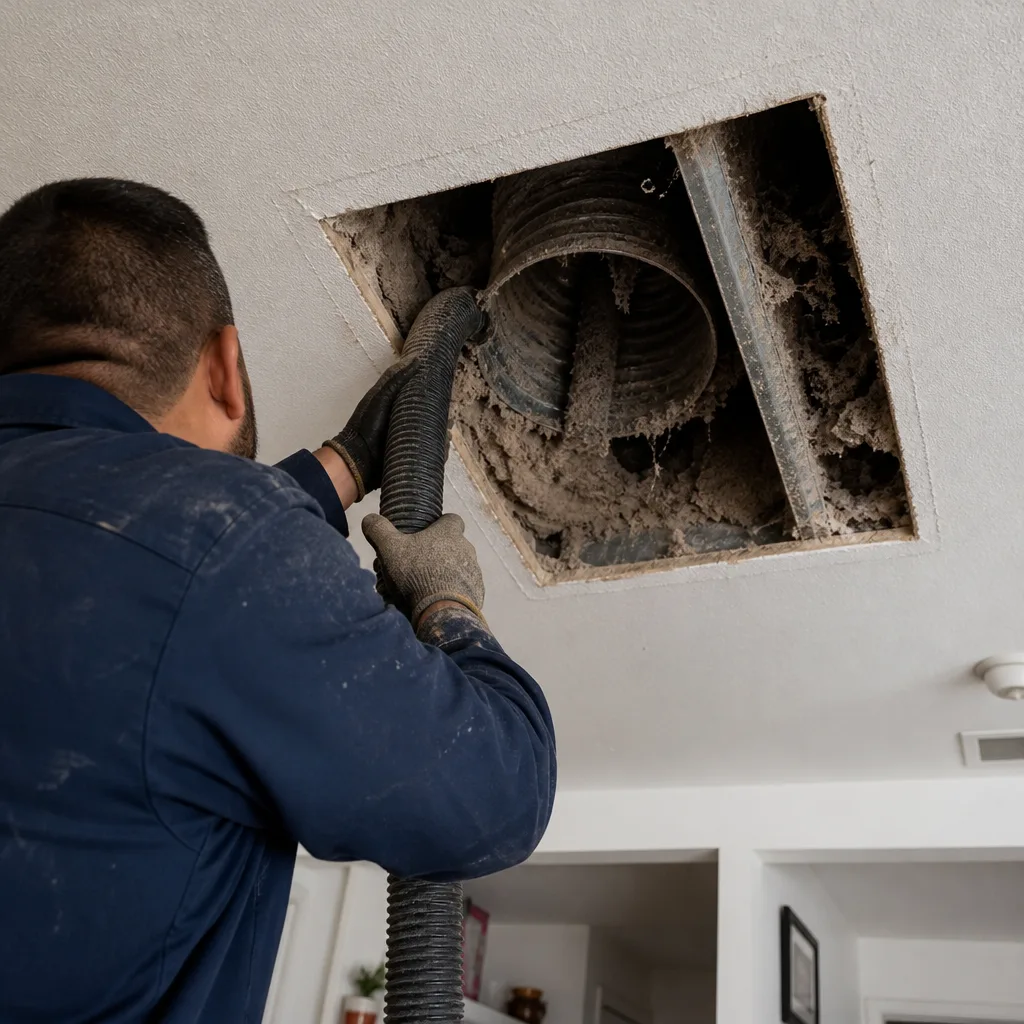 Before
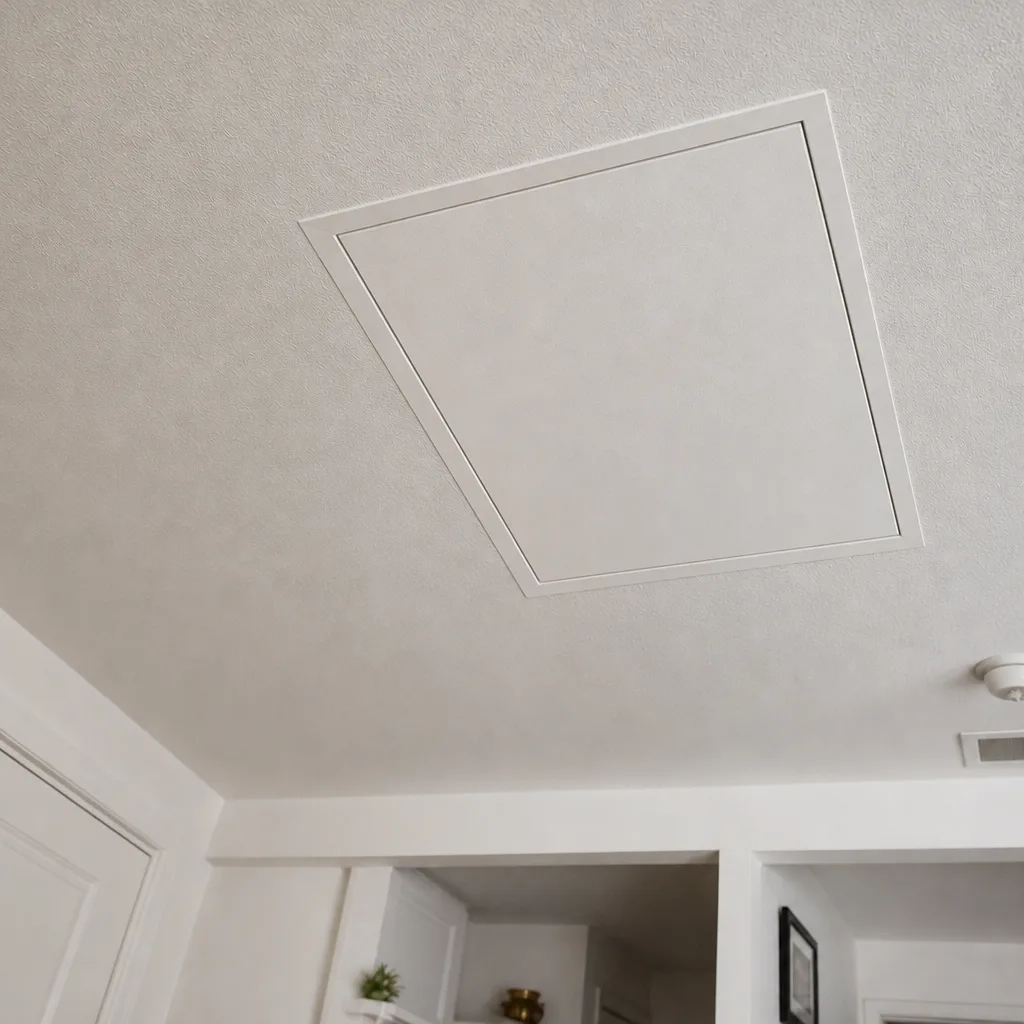 After
When to Call a Professional
Some situations should send you to the phone without a second thought. If a remodel has just wrapped up and every room carries a fine coat of drywall dust, get the ducts cleaned before you start living in that dust. If anyone in the household has persistent allergy or respiratory symptoms that worsen in certain rooms or after the HVAC cycles on, dirty ducts are a plausible contributor and worth ruling out. If you can see dust on the register grilles that recurs within days of wiping them, the ducts themselves are likely the source. If you have never had the ducts inspected in a home you have owned for several years, an assessment is cheap compared to the alternative. Duct Cleaning Pomona offers free estimates in Pomona; call (833) 589-9571 for one. We answer 24/7. Fast dispatch from 7am to 7pm, Sunday through Friday.
Frequently Asked Questions
In Pomona, a legitimate whole-house air duct cleaning with contact agitation and negative-pressure extraction typically falls in the $450 to $950 range for a single-family home with 8 to 14 registers. The exact price depends on system size, accessibility, and the repair work you authorize during the visit. The written estimate sets the final price, and you should never pay a deposit on a price quoted over the phone without a scope. Call (833) 589-9571 for an exact quote; estimates are free.
Because the cheaper quote is often for a different service: air-sweep agitation with a single extraction point at the end, no photos, no repair capability, and a crew paid to upsell rather than clean. The $99 offer is the cost of acquiring a homeowner who can be sold a $900 “mold treatment” or “sanitization package” before the van leaves. Contact cleaning by a named brush system under continuous negative pressure costs more, and the price difference is the service difference.
You know because the contractor photographs every register, return, plenum, and access panel before and after, date-stamped and matched to location. Without that documentation, you have no evidence anyone entered your ducts at all. Insist on full photo documentation in the scope of work before scheduling, and refuse to accept final payment until you see it.
Every four to six years for most Pomona homes, sooner if you have done renovation work, have pets that shed heavily, have had a pest problem in the attic, or have household members with respiratory sensitivity. The dry inland climate, proximity to freeway corridors, and prevalence of older housing stock with aging seals all contribute to faster interior duct film accumulation than in coastal cities. But your eyes are the best guide: if the returns show visible dust buildup or the system has never been inspected, do not wait for an arbitrary calendar date.
Yes, almost always. Drywall sanding produces dust fine enough to stay suspended for hours and then settle inside branch runs, where it recirculates for months. A post-renovation cleaning should include every register, the main trunk, and the air handler plenum, plus new filters. Ask specifically whether the contractor will replace the HVAC filter as part of the scope and whether they will clean the return-side duct separately from the supply side.
Some can. Others cannot. Before you hire, ask whether the company performs air duct repair as a standard service, or only cleaning. A contractor with repair capability can seal separated seams, replace crushed flex runs, and re-seat register boots during the same visit. A cleaning-only contractor will hand you a referral and leave. The difference is one visit versus two, and a system left partially compromised.
The Bottom Line
Hiring the right duct cleaning contractor in Pomona is not about finding the lowest price or the fastest response. It is about asking three or four precise questions, getting written answers, and holding the contractor to the documentation they promised. Demand a scope of work. Demand named contact-cleaning and negative-pressure equipment. Demand before-and-after photos of every line item. Ask about repair capability the same day. If a contractor balks at any of these, thank them and move on. If they answer directly and put it in writing, you have found the rare operator worth hiring. For a free estimate on air duct cleaning, dryer vent cleaning, or duct repair in Pomona, call (833) 589-9571. We answer 24/7. Fast dispatch from 7am to 7pm, Sunday through Friday.
Written by the team at Duct Cleaning Pomona, serving Pomona since 2015.