
Last updated November 4, 2026
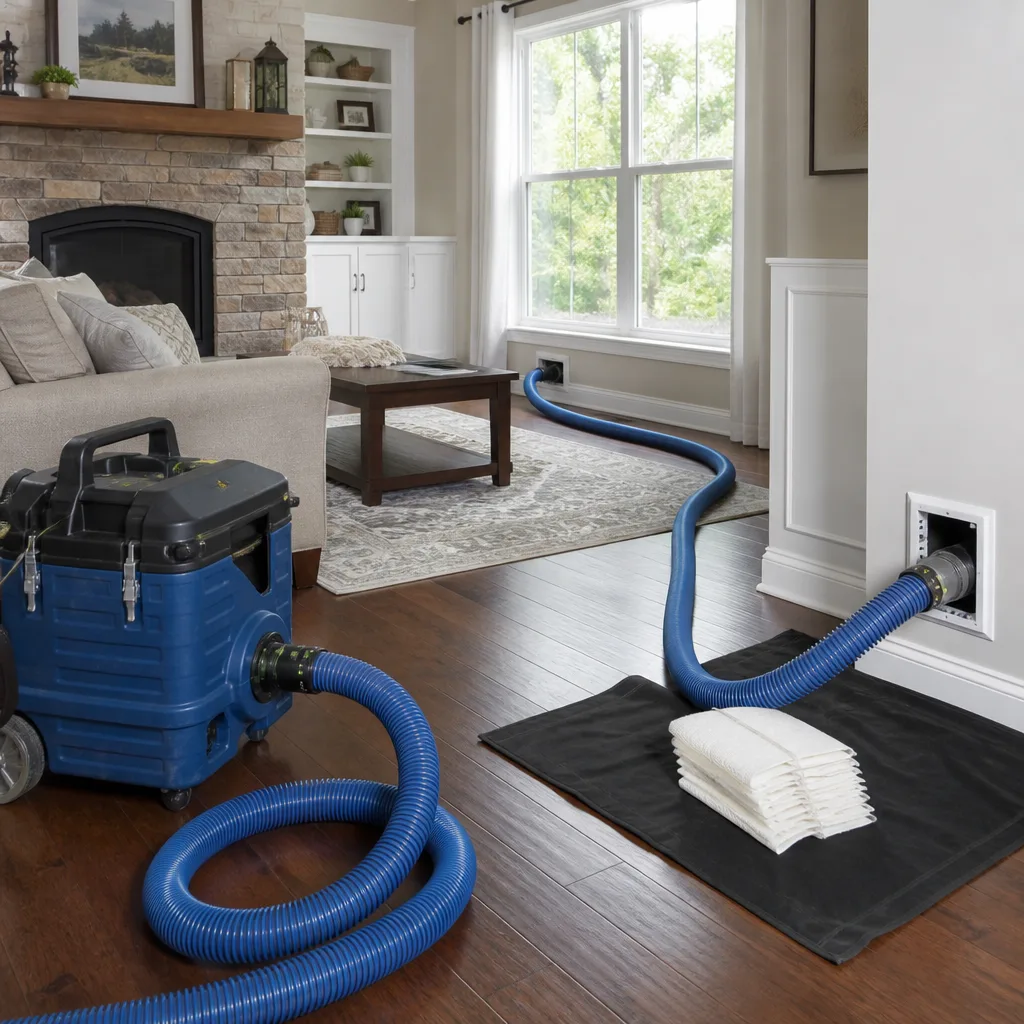 Whole-home duct cleaning
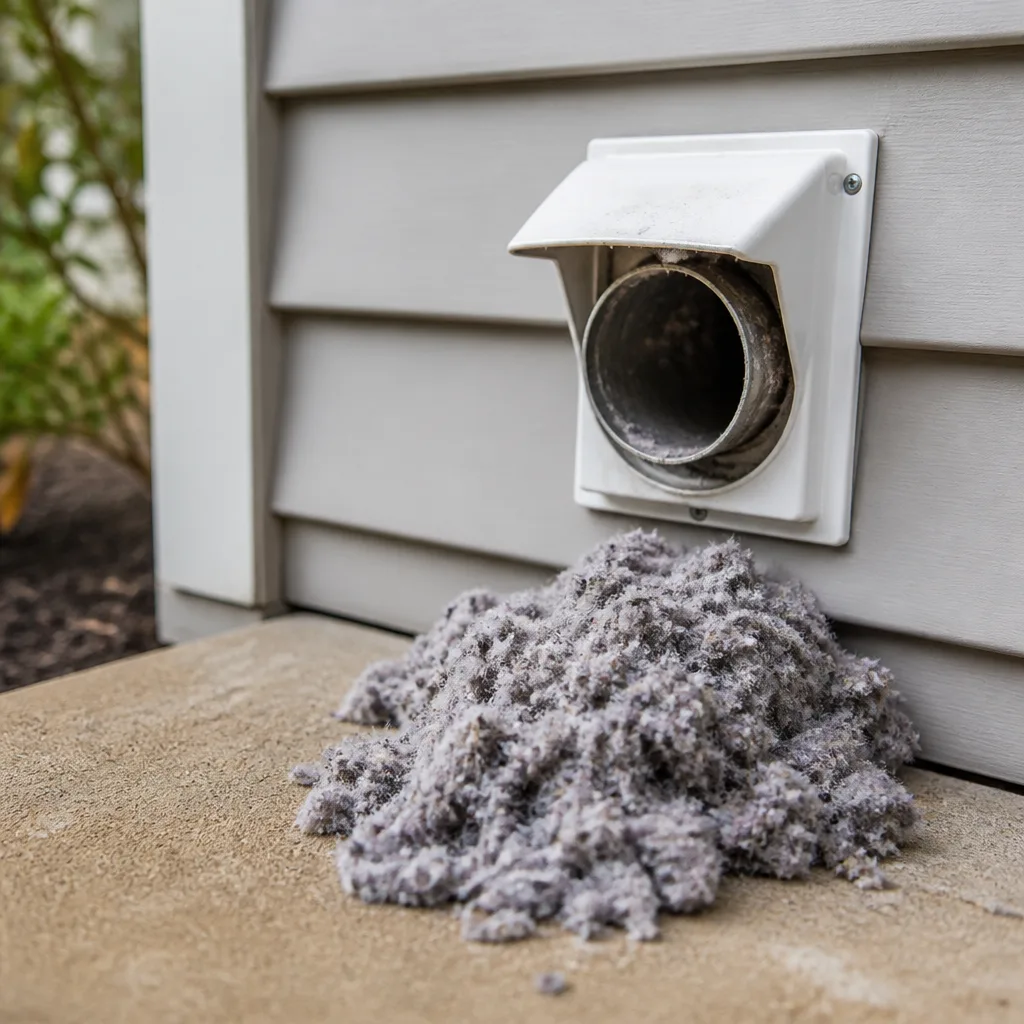 Dryer vent cleaning
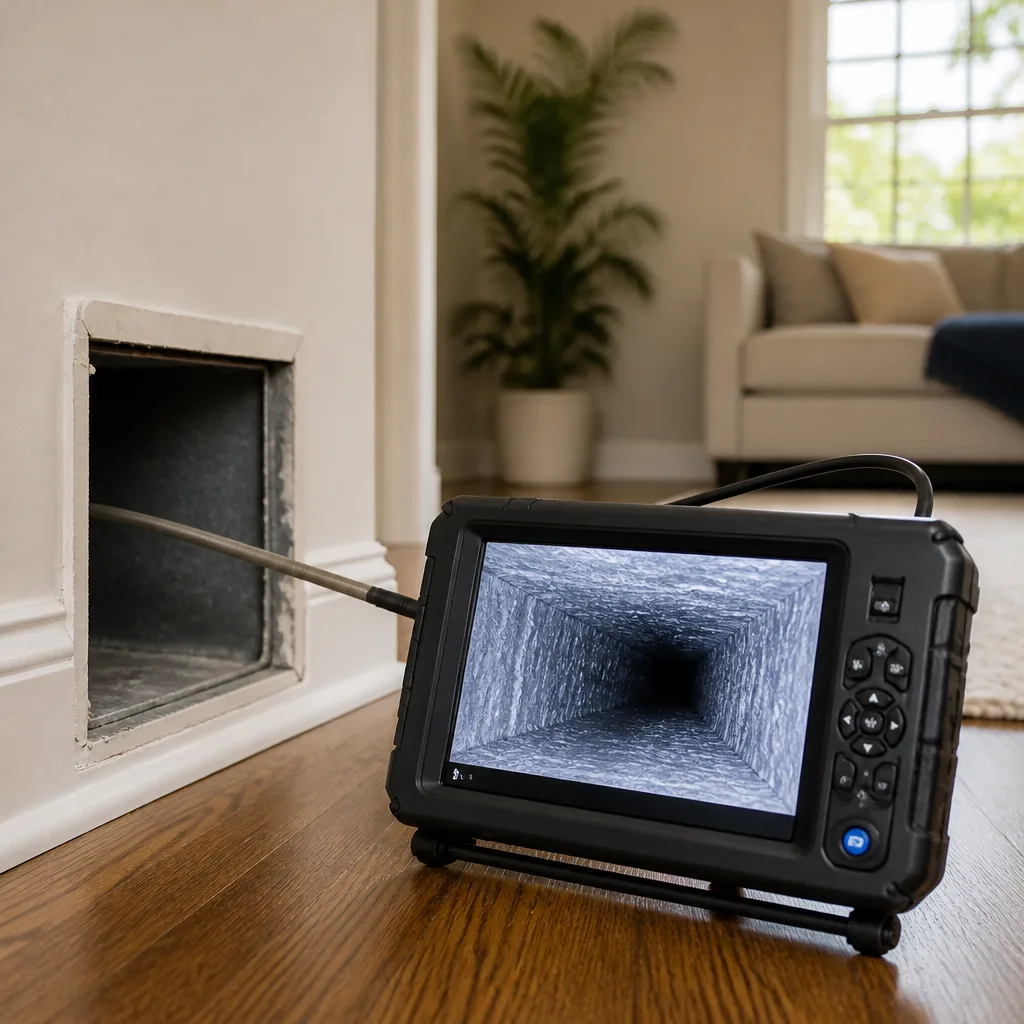 Camera inspection
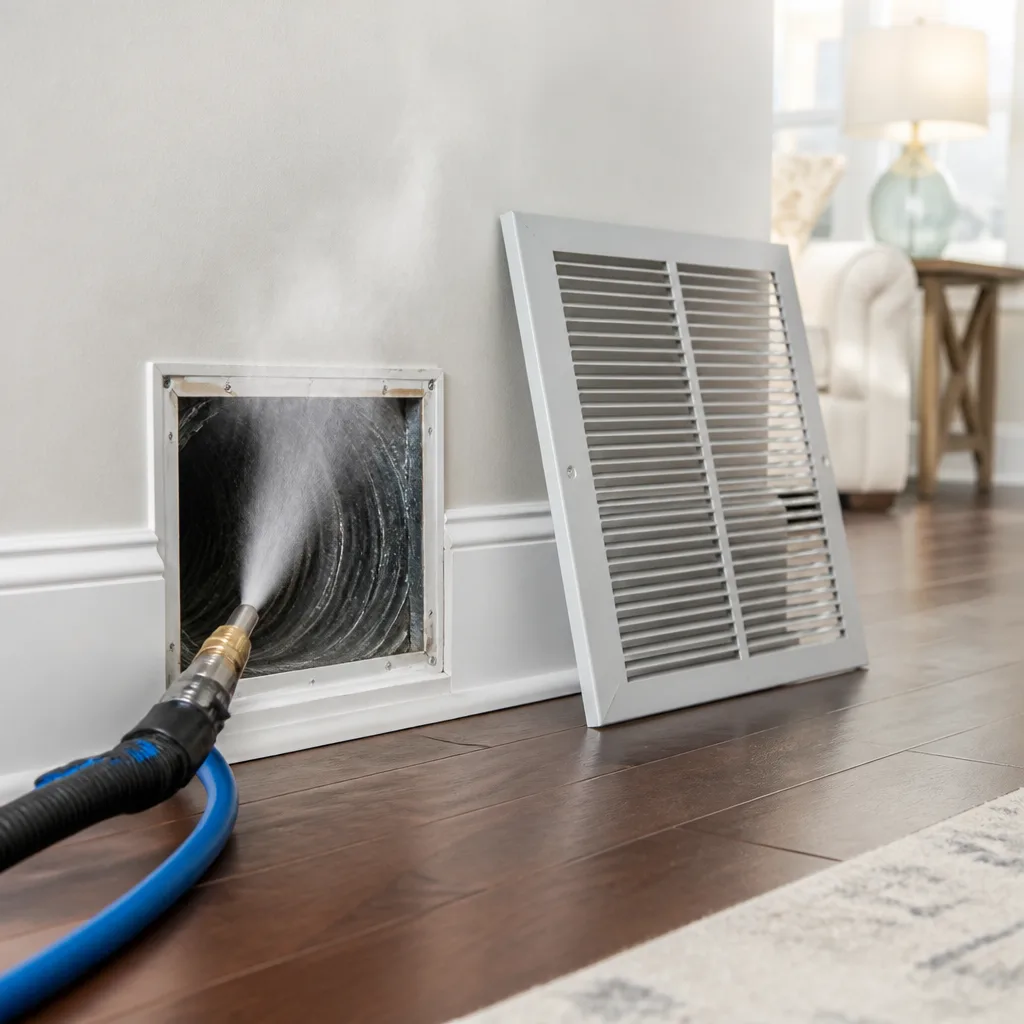 Sanitizing & deodorizing
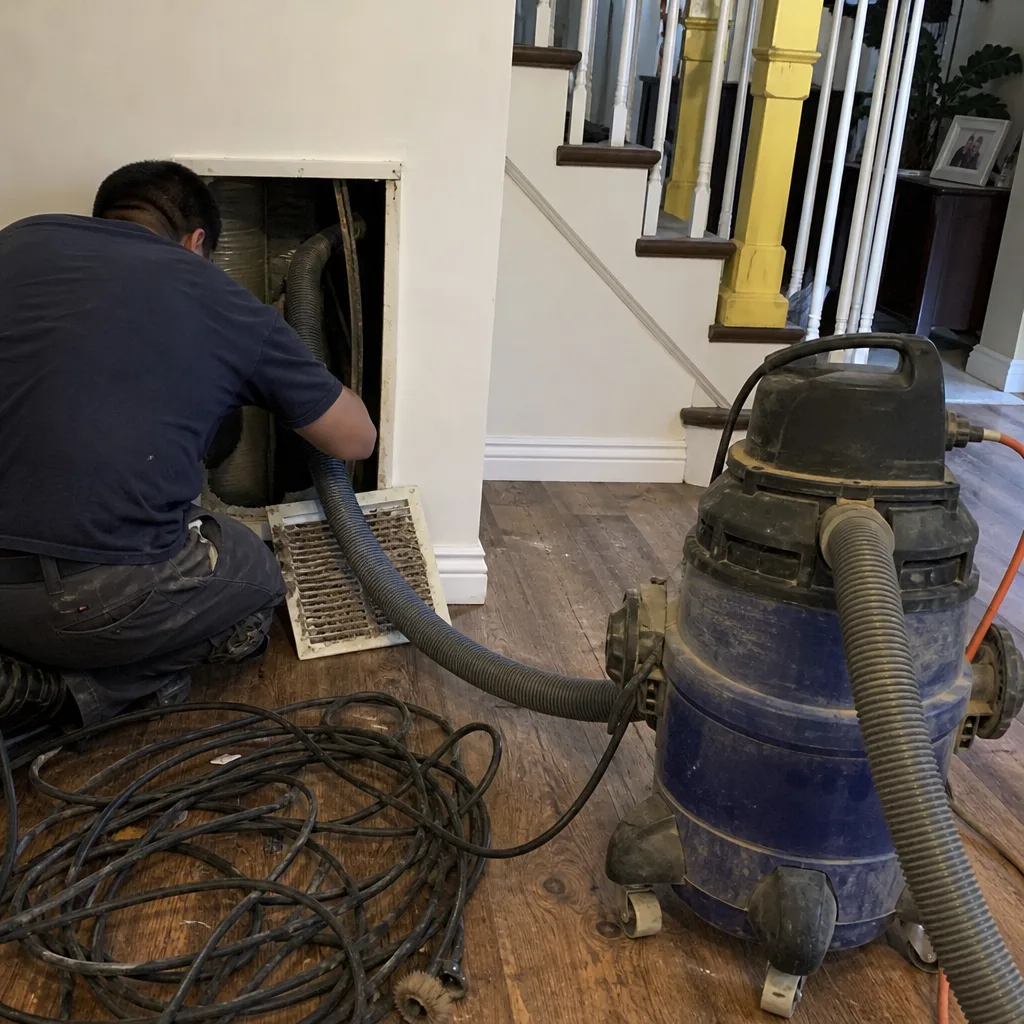
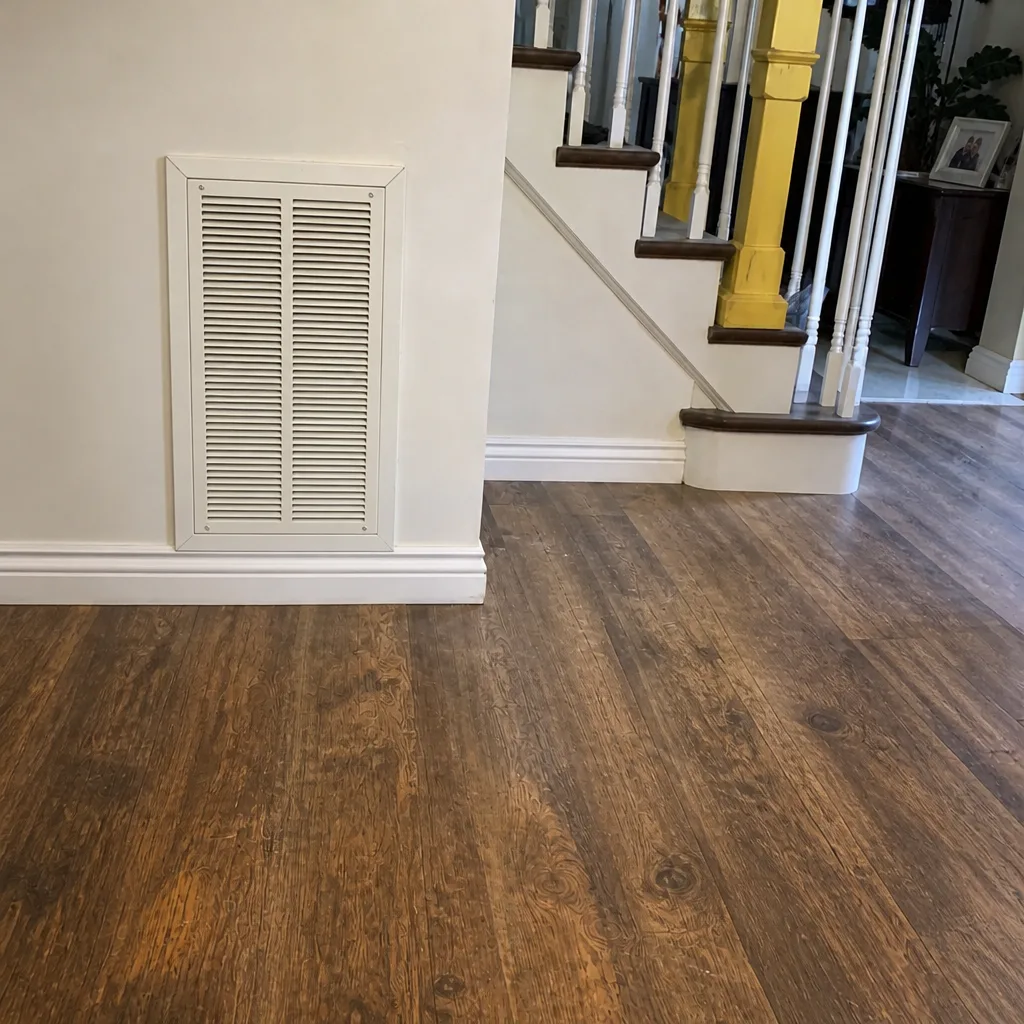
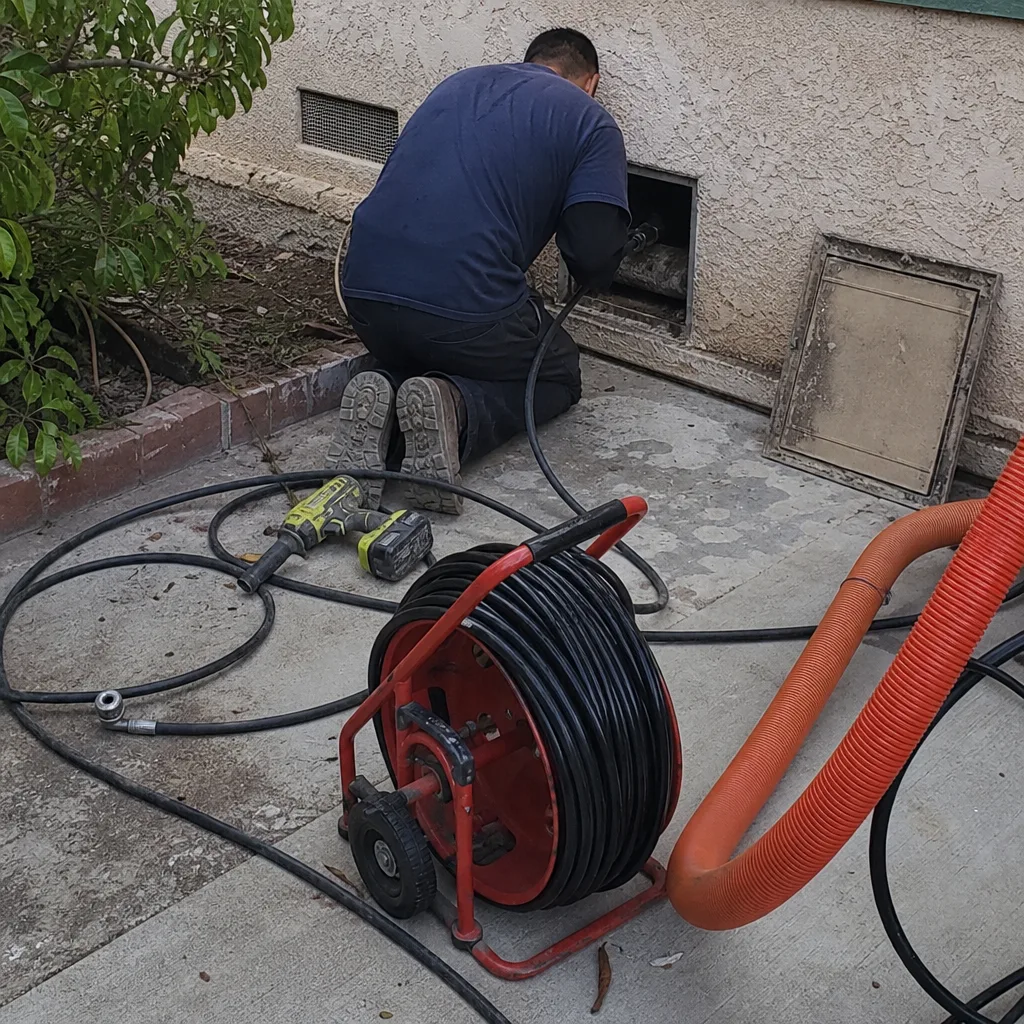
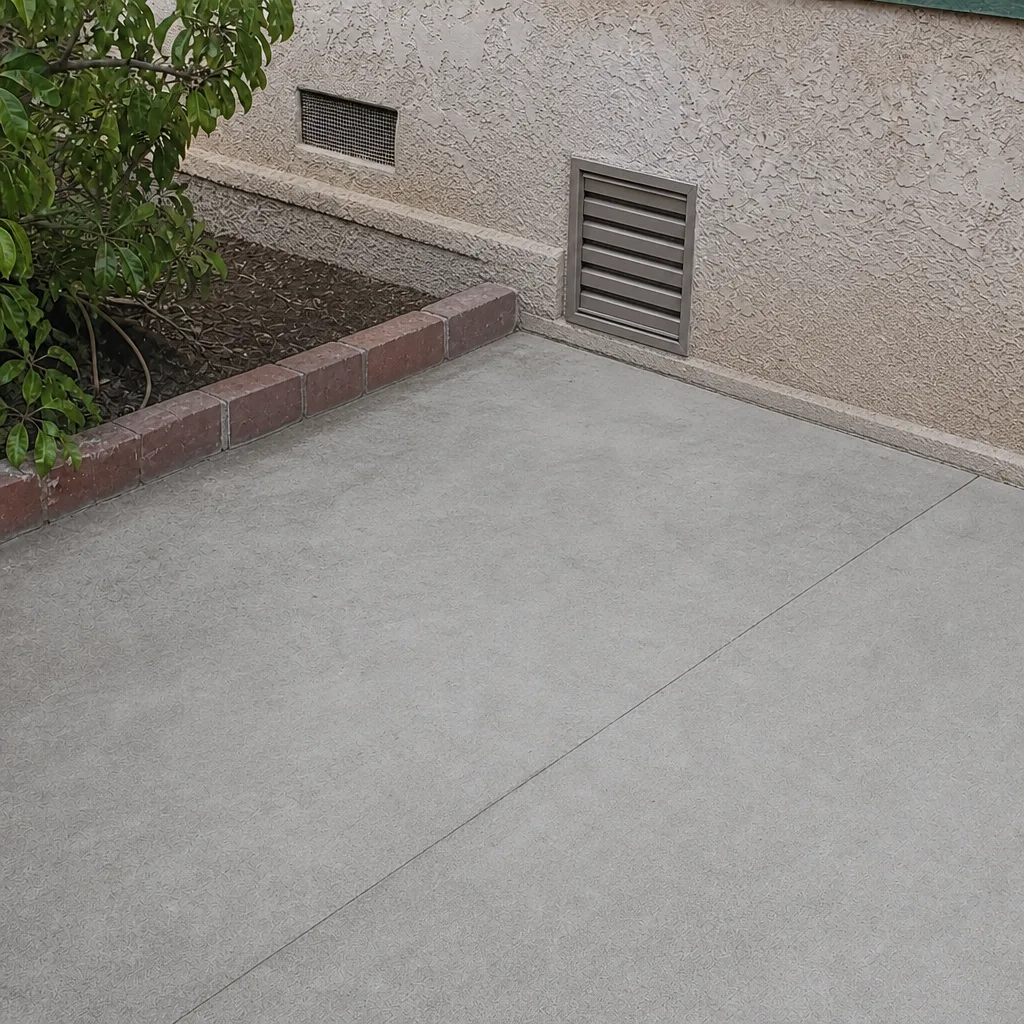
Whole-system duct and dryer vent check with before-and-after photos - you see exactly what came out of your vents
That "$99 whole-house special" is a bait ad - the real number appears once they are in your hallway, or the "clean" is a shop-vac at the register. We photograph the inside of your ducts before and after instead.
Air Duct Cleaning Permits, Codes & Inspections in Pomona, CA: What You Need to Know
Most Pomona homeowners assume that any work performed inside their HVAC system triggers the same paperwork. That assumption is wrong, and it’s an expensive one to carry. Duct cleaning itself sits squarely on the unregulated side of California’s building code, but the moment a technician cuts out a crushed section of duct, reroutes a trunk line, or adds a return vent, the job crosses into permit territory. This guide maps that boundary in plain terms so you know exactly when a permit is required, when it isn’t, and how to protect yourself from unpermitted work that surfaces years later during a home sale in Pomona.
Styles & brands we work with
- Whole-home duct cleaning
- Dryer vent cleaning
- Camera inspection
- Sanitizing & deodorizing
Quick Answer
Air duct cleaning does not require a permit in Pomona, CA, because it’s classified as maintenance rather than construction. However, duct replacement, system reconfiguration, and adding new return pathways do require permits through the City of Pomona Building Division, and a C-20 licensed HVAC contractor must be listed on the permit. The clean-versus-repair boundary is where most homeowners get into trouble, so this guide explains exactly how to stay on the right side of it.
Table of Contents
- Where Cleaning Ends and Construction Begins
- California Mechanical Code: What It Actually Says About Ducts
- City of Pomona Building Division: Jurisdiction and Process
- The C-20 License: Why It Matters on a Permit
- How Unpermitted Duct Work Gets Discovered at Resale
- Duct Sealing vs. Duct Replacement: The Permit Line
- How to Request Scope-of-Work Documentation From a Contractor
- Common Mistakes to Avoid
- When to Call a Professional
- Frequently Asked Questions
- The Bottom Line
Where Cleaning Ends and Construction Begins
The regulatory line in Pomona is cleaner than most contractors will admit. Cleaning a duct means removing accumulated debris from the interior surfaces of an existing system without changing its structure. That includes brushing the duct walls, extracting loose particulate with negative-pressure equipment, and sanitizing accessible surfaces. None of that work requires a permit from the City of Pomona, and none of it requires a building inspection.
Alteration is different. Alteration means changing the physical configuration of the system. If a section of flexible duct is crushed and gets replaced, that’s alteration. If a trunk line is rerouted to improve airflow, that’s alteration. If a new return duct is added to balance pressure in a remodeled room, that’s alteration. Each of these changes falls under the California Mechanical Code’s definition of regulated HVAC work, and each requires a permit before the work begins.
This distinction matters because air duct cleaning frequently uncovers damage that needs repair. A technician doing contact cleaning with a Rotobrush system may find a collapsed flex run, a disconnected boot, or a joint that has separated behind drywall. The cleaning part of that visit needs no paperwork. But if the crew starts replacing duct sections on the spot, the job has just become a construction project, and Pomona’s permitting rules now apply.
We’ve seen situations where a homeowner hired a cleaning company, and the crew replaced a damaged section of duct during the visit without mentioning that a permit should have been pulled. The homeowner paid for the work, got no permit record, and discovered the issue years later when escrow stalled. Understanding where that line sits is the single most useful thing a Pomona homeowner can know about duct permits.
California Mechanical Code: What It Actually Says About Ducts
The California Mechanical Code (CMC) governs HVAC installation, alteration, and repair throughout the state, including Pomona. The code distinguishes between maintenance activities and construction activities, and that distinction drives permit requirements. Maintenance, which includes cleaning, filter replacement, and lubrication of moving parts, falls outside the permit process. Construction, which includes replacement, reconfiguration, and new installation, falls inside it.
Under the CMC, a duct system is a regulated component of a building’s mechanical infrastructure. Altering that system without a permit is a code violation, and work performed without a permit is considered illegal construction under California law. The consequences can include fines, orders to expose the work for inspection, and complications with insurance claims if the unpermitted work is later tied to a problem.
Here’s what Pomona homeowners should understand about how the CMC treats common duct-related activities:
- Interior duct cleaning: No permit. This is maintenance, not construction. Equipment like a Rotobrush contact-cleaning system or a Nikro negative-air machine removes debris without changing the system’s structure.
- Duct sealing at existing joints: Generally no permit. Applying mastic or foil tape to seal leaks in an existing duct system is considered a maintenance activity under most interpretations, provided the duct itself is not being replaced or rerouted.
- Replacing a damaged duct section: Permit required. Cutting out a section of duct and installing a new piece changes the physical system and falls under the CMC’s alteration provisions.
- Rerouting or reconfiguring ductwork: Permit required. Any change to the system’s layout, dimensions, or connection points is construction, not maintenance.
- Adding a new return or supply register: Permit required. Adding airflow paths modifies the system’s design and requires mechanical review.
The code does not ask how large the job is. A single replaced flex run still counts as an alteration. The permit threshold is about the nature of the work, not its size, and Pomona’s building inspectors apply that standard consistently.
City of Pomona Building Division: Jurisdiction and Process
The City of Pomona Building Division enforces the California Mechanical Code within city limits. Any HVAC alteration performed in Pomona, whether in a single-family home in Phillips Ranch, a commercial property near Holt Avenue, or a multi-family building in downtown Pomona, falls under this jurisdiction. The building division reviews permit applications, issues permits, and conducts inspections to verify that work meets code.
The permit process for duct alteration in Pomona follows a standard sequence, and understanding it helps homeowners spot a contractor who’s cutting corners:
- Application: The contractor or homeowner submits a permit application describing the scope of work. For duct replacement or reconfiguration, this typically includes a simple description of what’s being changed and where.
- Review: The building division reviews the application for code compliance. Duct work is generally straightforward, and most residential applications clear review quickly without extensive plan checks.
- Issuance: Once approved, the permit is issued and the work can legally begin. The permit document becomes part of the property’s public record.
- Inspection: After the work is complete, the building division schedules an inspection to verify that the installation matches the permit scope and meets CMC requirements.
- Final sign-off: The inspector approves the work, and the permit is closed. This closed permit is what protects a homeowner at resale.
Pomona has its own local amendments to the California Mechanical Code, and while most residential duct work is handled at the staff level without a full plan review, the permit requirement itself is non-negotiable. Homeowners who are unsure whether a specific job needs a permit can call the Building Division directly and describe the work. The counter staff answers questions like this every day.
The C-20 License: Why It Matters on a Permit
In California, HVAC work requires a C-20 warm-air heating, ventilating, and air-conditioning contractor’s license from the Contractors State License Board. That’s true for permitted duct replacement and for any alteration that touches the mechanical system. A handyman or general contractor without a C-20 cannot legally perform duct alteration in Pomona, and they cannot pull a mechanical permit for that work.
Here’s the part most homeowners don’t realize: a company that only cleans ducts does not need a C-20 license. Cleaning is maintenance, and maintenance falls outside the CSLB’s contractor licensing scope. That’s why many duct cleaning companies operate with a general business license and carry no mechanical credential at all. The system works fine as long as the job stays on the cleaning side of the line.
But when a cleaning company starts replacing duct sections, they’re performing work that requires a C-20 license and a permit. If they don’t hold that license, the work is illegal regardless of whether a permit was pulled. And if the company can’t pull a permit, the homeowner is left holding an unpermitted alteration with no paper trail and no inspection record.
This is why our approach to Duct Cleaning Pomona includes a clear scope boundary. We clean duct systems with contact-cleaning equipment and HEPA negative-air extraction. When we find damage, we tell the homeowner what we found, explain whether the repair falls within the no-permit threshold or crosses it, and outline the path for getting the work permitted. We don’t quietly replace duct sections during a cleaning visit and call it maintenance, because that label won’t survive contact with a Pomona building inspector or a buyer’s home inspector.
How Unpermitted Duct Work Gets Discovered at Resale
Unpermitted duct work rarely causes problems the week it’s installed. It causes problems years later, when the house goes on the market in Pomona and a buyer’s home inspector starts looking behind the registers. This is the moment when a cleaning visit that turned into an informal repair becomes a liability.
California home sellers are required to disclose material facts about the property. That includes unpermitted work. The standard California Residential Purchase Agreement asks specifically about permits, and the Transfer Disclosure Statement asks sellers to note any work performed without the required building permits. If a homeowner knows that duct sections were replaced during a cleaning visit and no permit was pulled, that disclosure obligation now exists. Failing to disclose creates exposure for a post-sale claim, and those claims can drag on for years.
Buyers’ inspectors in Pomona are trained to look for signs of unpermitted mechanical work. Common indicators include:
- New flex duct in an older system, with no matching permit on file at the City of Pomona
- Return registers added in rooms that show recent remodel work
- Duct runs that don’t match the configuration shown in older inspection reports or listing photos
- Fresh mastic or foil tape on joints that suggests recent sealing or replacement
When an inspector flags these signs, the buyer typically asks the seller to produce permits. If none exist, the deal can stall, the buyer can demand a price reduction, or the transaction can fall apart entirely. In some cases, buyers’ lenders refuse to fund a purchase on a property with known unpermitted mechanical work, because that work carries an unknown liability.
We’ve talked to Pomona homeowners who went through exactly this. The repair itself was minor, the work was competent, and the system functioned fine. But the missing permit turned a small repair into a negotiation point that cost more than the original job. Pulling the permit is cheap insurance. The permit record is what protects the value of the work.
Duct Sealing vs. Duct Replacement: The Permit Line
One of the most common questions we hear in Pomona is whether duct sealing requires a permit. The answer depends on what’s being sealed and how. Sealing an existing joint with mastic or foil tape is maintenance. Replacing a section of duct is construction. The two get conflated because they often happen in the same work session, and some crews will describe a replacement as “sealing” to avoid the permit conversation.
Here’s a practical way to think about the distinction:
- Sealing a leaking joint on an existing duct: No permit. The duct stays in place, the system configuration doesn’t change, and the work is classified as maintenance.
- Wrapping a damaged section with tape: No permit, but also not a repair. Tape over a crushed or torn duct is a temporary patch, and it’s not code-compliant work.
- Cutting out a damaged section and installing a new piece: Permit required. The system’s physical structure changes, and the California Mechanical Code treats this as alteration.
- Replacing an entire duct run because of contamination or collapse: Permit required. This is a full replacement, and it typically requires an inspection after the work is done.
The sealing question matters because sealed ducts can be a big comfort and efficiency win in Pomona’s warm summers and mild winters. Leaks in the duct system mean conditioned air escapes into attics and crawl spaces before it reaches the rooms. Homes in Pomona’s older neighborhoods, including the historic districts near Garey Avenue, often have duct systems that were installed decades ago and have never been sealed. Sending a contact-cleaning system through those ducts removes the debris, and sealing the existing joints closes the leaks. None of that work requires a permit.
But if the inspection reveals a section of duct that’s beyond sealing, that’s a replacement job. And replacement requires a permit and a C-20 contractor. Knowing the difference before work starts keeps the job legal and keeps the homeowner out of the disclosure trap.
How to Request Scope-of-Work Documentation From a Contractor
Homeowners in Pomona have the right to know exactly what work was performed in their duct system and whether it stayed within the no-permit threshold. Asking for that documentation up front is not confrontational. It’s the same due diligence you’d apply to any other part of a home project, and a legitimate contractor will provide it without hesitation.
Here’s a step-by-step approach for getting the documentation you need:
- Ask for a written scope of work before the job starts. The scope should describe the cleaning method, the equipment being used, and whether any repairs are anticipated. It should also state whether any part of the job requires a permit.
- Confirm the no-permit threshold in writing. If the contractor says the job is maintenance only, ask them to put that in the estimate or work order. A company that won’t put it in writing is a signal you should find another company.
- Request a post-job report that matches the scope. After the work is done, the report should confirm that the work performed matched the scope described. If any repairs were made, the report should detail them and note whether a permit was pulled.
- Keep the documentation with your home records. Store the scope, the report, and any photos or video alongside your other home maintenance records. If you sell the home later, these documents answer the buyers’ questions before they become negotiation points.
- Verify contractor licensing. Check the CSLB website for a C-20 license if any repair work is being done. Cleaning-only companies don’t need one, but the moment repairs enter the scope, the C-20 requirement applies.
Our documentation process for every job includes a written scope, a post-service report, and before-and-after photos of the duct interior. The photos matter because they show exactly what was found and what changed. When you can show a buyer exactly what was done and confirm it stayed on the maintenance side of the line, the permit question usually disappears. When you can’t, it usually doesn’t.
Common Mistakes to Avoid
- Assuming all duct work needs a permit. Cleaning doesn’t, and over-permitting adds cost and delay without benefit. The mistake is assuming, not asking.
- Assuming no duct work needs a permit. The opposite error is worse. Replacing a damaged section without a permit creates a disclosure obligation that surfaces at resale.
- Letting a cleaning crew replace duct sections without discussing permits. If a technician pulls out a crushed flex run and says they’ll “just swap it out,” stop and ask whether the replacement requires a permit. In Pomona, it does.
- Confusing sealing with replacement. Sealing existing joints is maintenance. Cutting out and replacing duct is construction. The words sound similar but the regulatory treatment is different.
- Accepting verbal assurances instead of written documentation. A contractor who says “no permit needed” but won’t put it in writing is leaving you to hold the risk. Get the scope documented.
- Failing to check for a C-20 license on repair work. Illegally performed work can’t be permitted retroactively without inspection and sometimes removal. Check the license before the work starts.
- Throwing away service records. The paperwork from a cleaning visit can be the difference between a smooth escrow and a stalled one. File it.
When to Call a Professional
Call a professional when you’re not sure which side of the permit line your duct work falls on. That’s the whole job. If your system is heavily contaminated after a renovation, if you’re seeing dust blow out of the registers every time the system starts, or if your dryer vent cleaning reveals a duct system that’s never been properly maintained, a professional assessment will tell you what needs cleaning and what needs repair. Duct Cleaning Pomona offers free estimates in Pomona. Call (833) 589-9571. We answer 24/7. Fast dispatch from 7am to 7pm, Sunday through Friday.
Frequently Asked Questions
No. Air duct cleaning is classified as maintenance under the California Mechanical Code, and the City of Pomona does not require a permit for cleaning work that does not alter the duct system’s structure or configuration. The work is considered complete when debris is removed and the system is left in its original condition.
A permit is required when duct sections are replaced, ductwork is rerouted or reconfigured, or new return or supply pathways are added. These are alterations under the California Mechanical Code, and the City of Pomona Building Division requires a permit and inspection for any alteration to a mechanical system.
Yes. Any HVAC alteration, including duct replacement, requires a C-20 warm-air heating, ventilating, and air-conditioning contractor’s license from the Contractors State License Board. Cleaning-only work does not require a C-20 license, but the moment repairs enter the scope, the license requirement applies.
California sellers must disclose unpermitted work on the Transfer Disclosure Statement. Buyers’ inspectors frequently identify signs of recent duct alteration, and buyers typically request permit records. Missing permits can stall the sale, trigger a price reduction, or kill the transaction entirely.
Generally no, as long as the sealing is applied to existing joints and the duct system’s configuration doesn’t change. The distinction is between sealing existing materials and replacing them. Sealing is maintenance. Replacement is construction.
Request a written scope of work before the job starts, a post-job report that matches the scope, and before-and-after photos of the duct interior. Keep these records with your home documents. If any repair work is performed, the report should note whether a permit was pulled and by whom. Call (833) 589-9571 for a free estimate in Pomona.
The Bottom Line
Pomona homeowners don’t need a permit to clean their ducts, but they absolutely need one to repair them. That boundary, between maintenance and alteration, is where liability gets created. Understanding the distinction means you can confidently hire a cleaning company, know what documentation to request, and recognize the moment a job crosses into regulated territory. It also means you’ll spot a contractor who’s hoping you won’t ask about permits, and that’s a conversation worth having before the work starts. With a clear scope, a C-20 licensed contractor for any repairs, and the paperwork filed, your duct system stays clean, safe, and fully defensible when the house goes on the market.
Written by the team at Duct Cleaning Pomona, serving Pomona since 2015.
See the difference
 Before
 After
 Before
 After
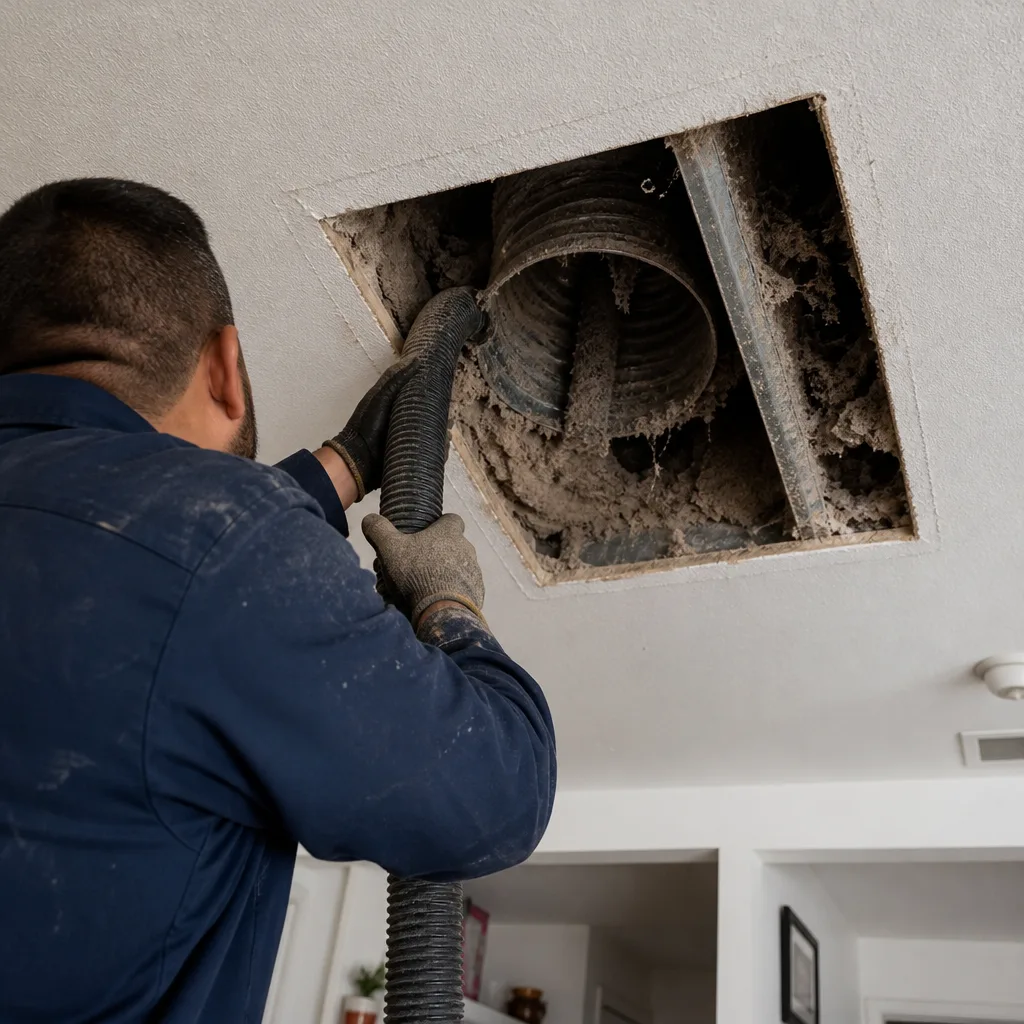 Before
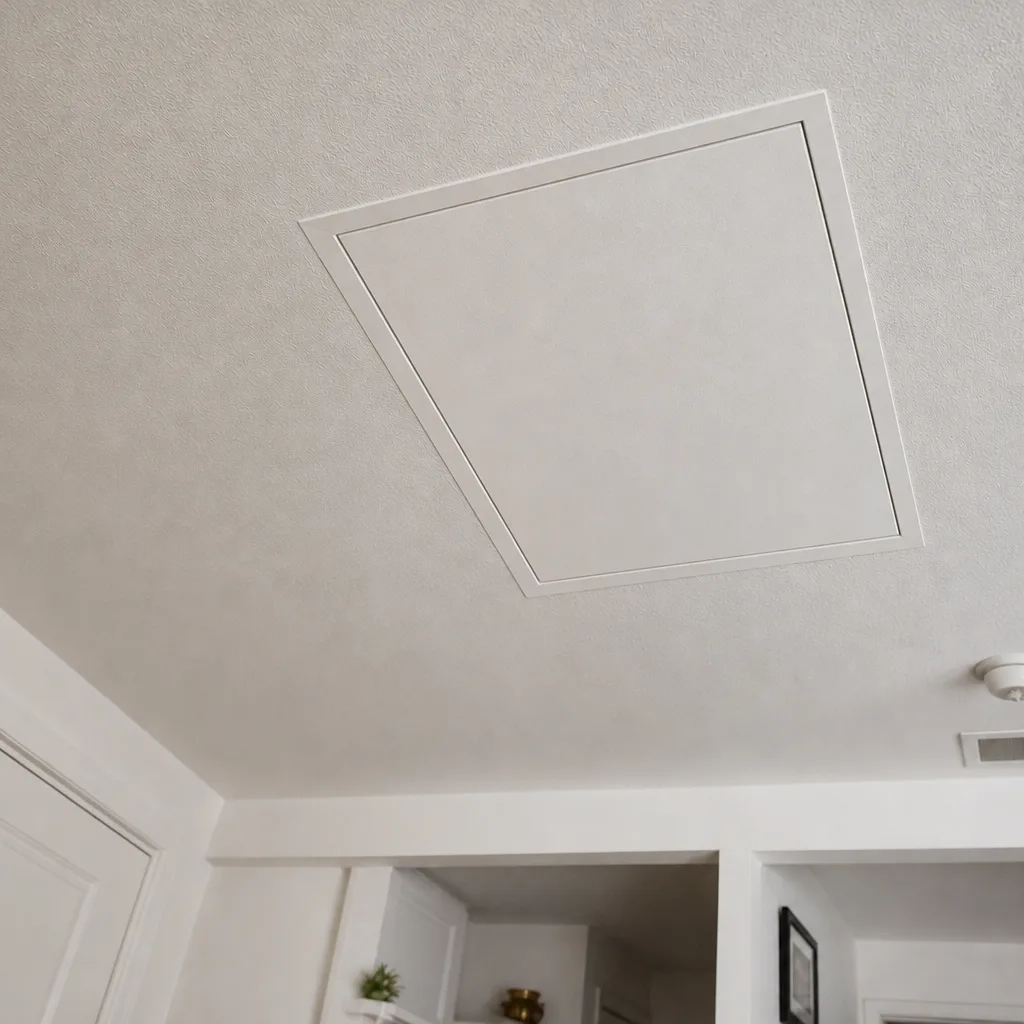 After