
Last updated November 4, 2026
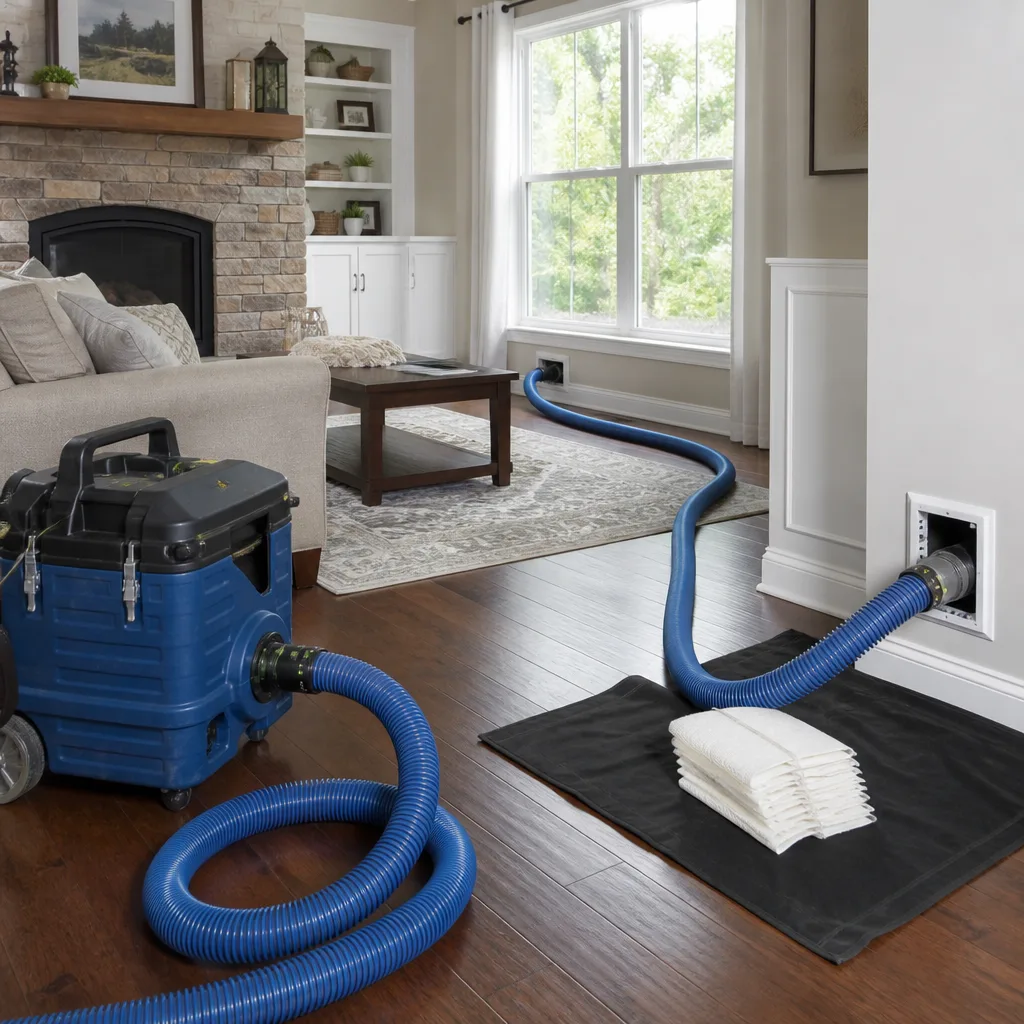 Whole-home duct cleaning
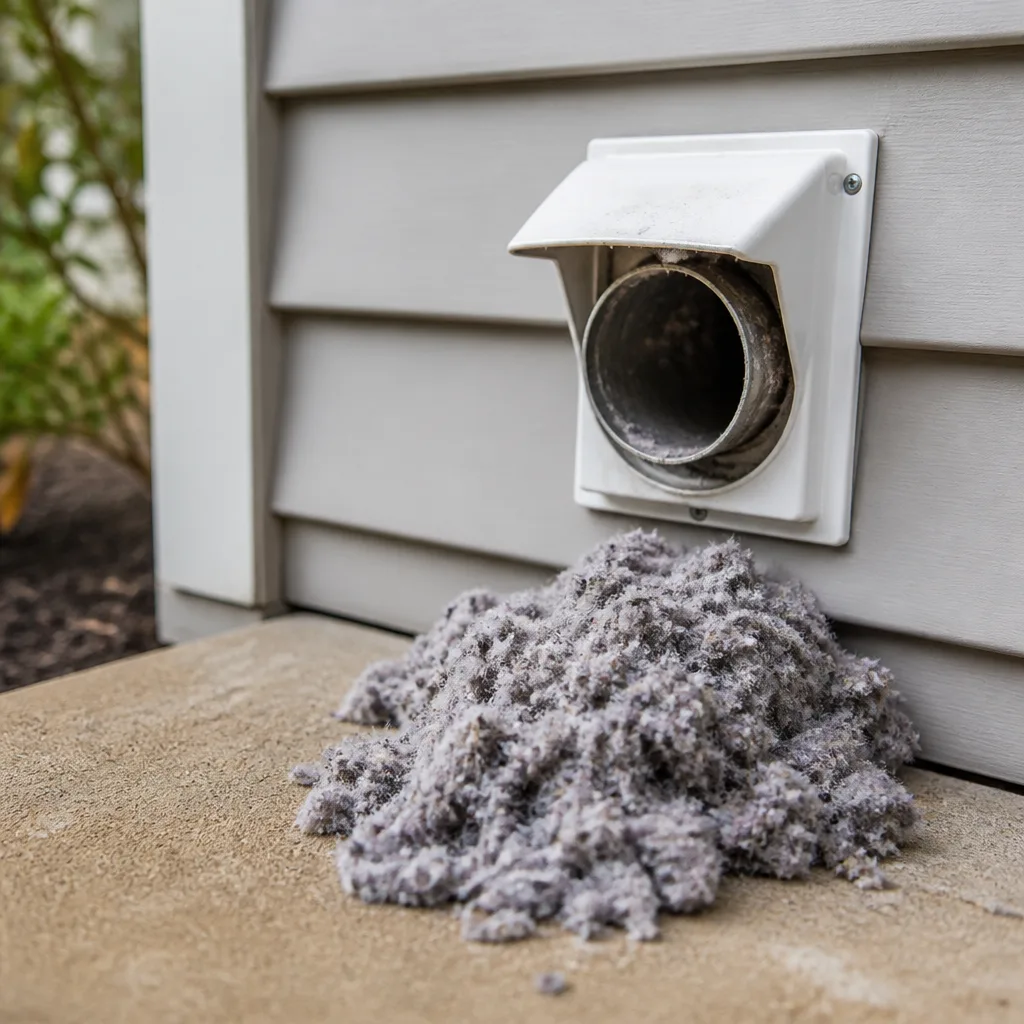 Dryer vent cleaning
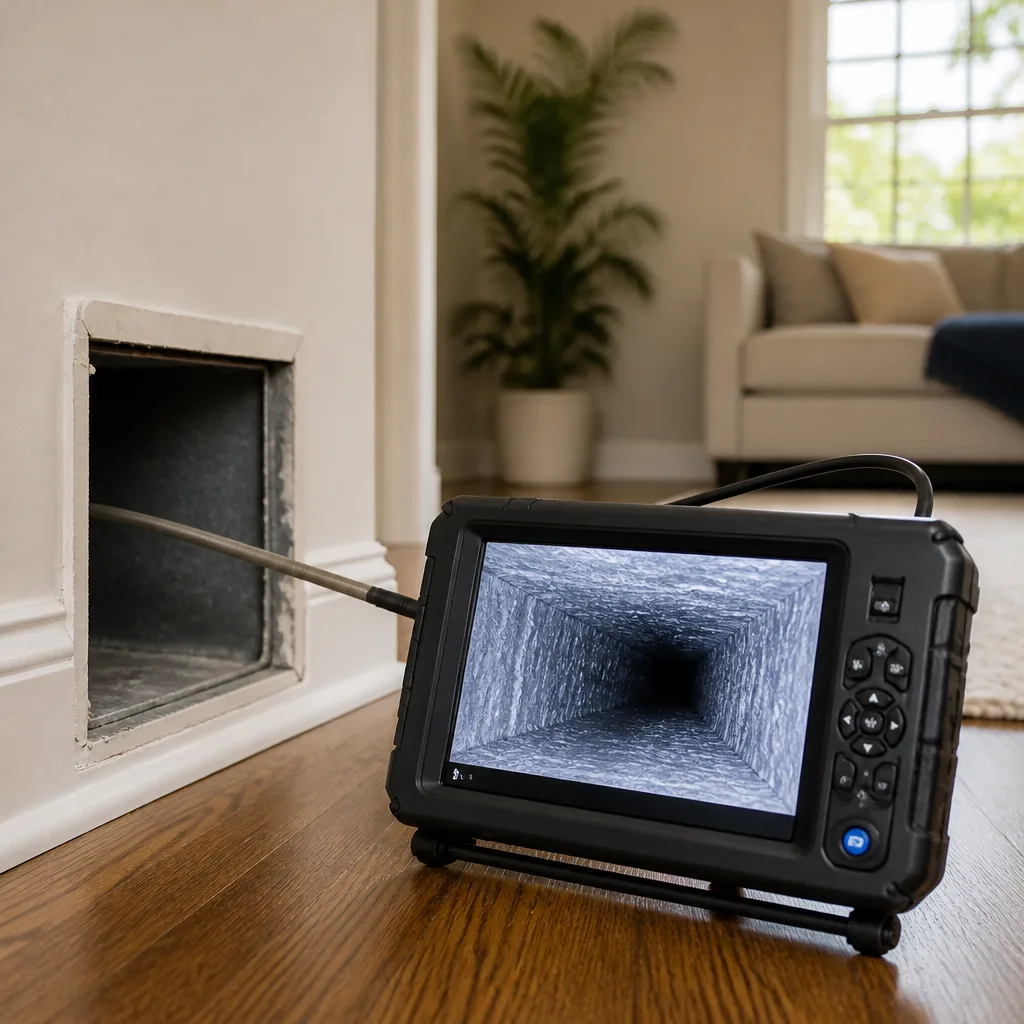 Camera inspection
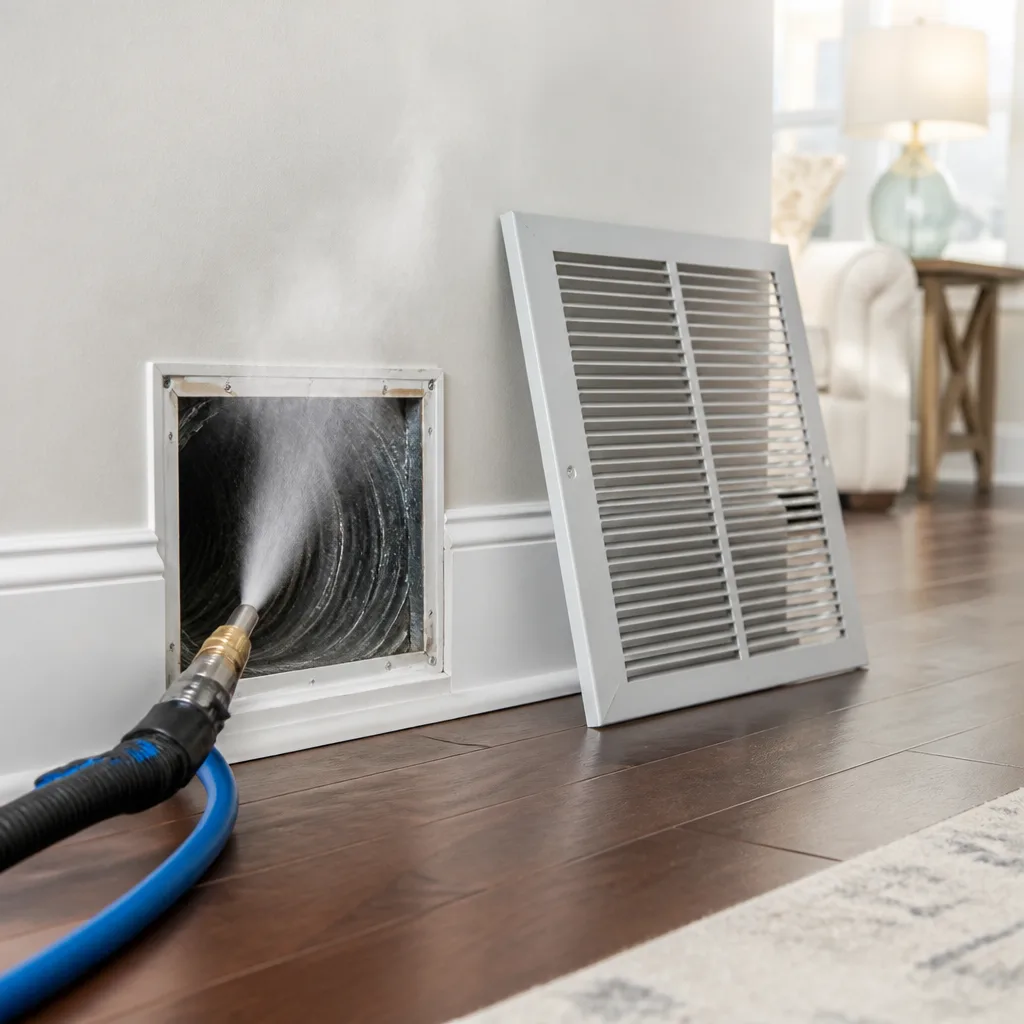 Sanitizing & deodorizing
Whole-system duct and dryer vent check with before-and-after photos - you see exactly what came out of your vents
That "$99 whole-house special" is a bait ad - the real number appears once they are in your hallway, or the "clean" is a shop-vac at the register. We photograph the inside of your ducts before and after instead.
Air Duct Cleaning Troubleshooting in Pomona: Common Problems and How to Fix Them
If closing a vent in one room actually improves airflow in another, your duct system has a static pressure problem, not a dirt problem. That distinction determines whether you need cleaning, repairs, or neither. Most Pomona homeowners call a duct cleaner when what they really need is a diagnostician, someone who can tell the difference between contamination, mechanical failure, and plain bad design. This guide walks you through the troubleshooting sequence we use on service calls across Pomona, so you can isolate the likely cause before anyone picks up a phone.
Quick Answer
Most duct problems in Pomona fall into two categories: contamination (dust, debris, biological growth, rodent intrusion) and mechanical failure (leaks, disconnects, crushed flex runs, undersized returns). Each produces a distinct symptom pattern. Weak airflow in one room usually points to a disconnected or collapsed duct run, not dirt. Musty odors indicate biological growth or rodent intrusion inside the ductwork. Dust on registers despite recent cleaning suggests a return-side gap pulling attic or crawlspace air into the system. You can isolate many of these issues with a 20-minute visual and airflow check before spending money on a service call.
Styles & brands we work with
- Whole-home duct cleaning
- Dryer vent cleaning
- Camera inspection
- Sanitizing & deodorizing
Table of Contents
- Contamination vs. Mechanical: Why the Distinction Matters
- Symptom-to-Cause Map: What Your Ducts Are Telling You
- The Register Tape Test and Other 20-Minute DIY Checks
- Why Pomona’s 1950s-1970s Housing Stock Hides More Duct Failures
- Negative-Pressure Cleaning vs. Localized Repair vs. Duct Replacement
- Odor Problems: Biological Growth and Rodent Intrusion
- Airflow Problems: Leaks, Disconnects, and Crushed Flex
- Dust on Registers: Filter Bypass and Return-Side Gaps
Contamination vs. Mechanical: Why the Distinction Matters
The first question we ask on any Pomona service call is whether the problem is contamination or mechanical. Contamination means something is inside the ducts that should not be there: dust, debris, rodent droppings, mold growth. Mechanical means the duct system itself is failing: leaks, disconnected runs, crushed flex duct, undersized returns, poorly sealed joints.
Here is why the distinction matters. A contamination problem responds to cleaning. A mechanical problem does not. If a return duct has a six-inch gap pulling attic air into the system, no amount of cleaning will fix the dust blowing through your registers. The gap has to be sealed or the section replaced. Conversely, if the ducts are contaminated with years of construction dust but are mechanically sound, replacing them would be wasteful when negative-pressure contact cleaning will do the job.
Our approach reflects this. We use the Rotobrush contact-cleaning system, which scrubs duct surfaces with rotating brushes rather than relying on air pressure alone. Paired with Nikro HEPA negative-air machines, the system extracts contaminants at containment grade rather than recirculating them into the living space. But before any equipment comes off the truck, we determine whether cleaning will solve the problem or whether we need to repair the ductwork first. The sequence matters because repairing a duct run after it is cleaned is easier and safer than cleaning around a disconnection and calling it done.
Symptom-to-Cause Map: What Your Ducts Are Telling You
Duct symptoms are more specific than most homeowners realize. Here is the map we use to connect what you see and feel to what is actually happening inside the system.
Symptom: Musty or stale odor when the system runs
Most likely cause: Biological growth inside the ductwork or a dead rodent in a duct run. Pomona’s warm interior climate means condensation can form on duct surfaces where humid air meets cooler metal. That moisture, combined with organic dust, supports biological growth. Rodent intrusion is also common in older crawlspace duct systems where gaps at the plenum or branch connections allow access.
Symptom: One room never reaches temperature
Most likely cause: Disconnected or crushed flex duct in the attic or crawlspace. The room’s register is connected, but the duct run feeding it has separated at a joint or collapsed under insulation weight. The air is being dumped into the attic or crawlspace instead of the room.
Symptom: Dust accumulating on registers within days of cleaning
Most likely cause: A filter bypass or return-side gap. If the filter does not seal properly in its slot, unfiltered air flows around it. If a return duct has a gap, the system pulls dust from the attic or crawlspace and distributes it through every supply register.
Symptom: Airflow drops noticeably in summer afternoons
Most likely cause: Undersized return ducting or a dirty evaporator coil. Pomona summers push air conditioners hard. A system with inadequate return air will starve and lose airflow as the day heats up. This is a mechanical sizing problem, not a contamination problem, and cleaning will not fix it.
Symptom: Whistling or rushing sound at one register
Most likely cause: High static pressure at that register. The duct run may be undersized, or dampers elsewhere in the system are forcing too much air through a small opening. Closing multiple registers to “force air” into one room creates this exact condition.
The Register Tape Test and Other 20-Minute DIY Checks
Several checks let you gather useful diagnostic information before calling anyone. These take about 20 minutes total and require no special tools.
- The register tape test. Tape a single square of toilet paper or tissue to each supply register. Then tape one to each return grille. Turn the system fan on (not auto, but fan-on). Watch what happens. Supply registers should blow the tissue outward, away from the wall. Return grilles should pull the tissue inward. A register that does neither, or that blows weakly, indicates a blockage, disconnect, or damper problem on that specific run.
- The dust pattern check. Look at the wall and ceiling around each supply register. Dark gray streaks or a visible dust halo on the wall surface above or beside the register indicates a gap between the duct boot and the drywall, or a leak in the duct run itself, pulling dusty attic or crawlspace air into the airstream.
- The filter inspection. Remove the filter and look at the filter slot. If the filter does not fit snugly, or if there are visible gaps around the filter edges, unfiltered air bypasses the filter entirely. Even a high-MERV filter does nothing if air flows around it rather than through it.
- The return-side walk. With the fan running, walk to the attic or crawlspace access and listen near the return ducting. A hissing or hollow rushing sound inside the return run often indicates a gap pulling outside air into the system. This is the contamination source in most “dusty house, clean-looking ducts” calls.
- The crawlspace or attic visual check. If you can safely access the space, shine a light along the duct runs. Look for sagging flex duct, separated joints, kinks where ducting passes around framing, or ductwork lying on top of itself. Pomona homes from the 1950s through the 1970s often have flex duct runs that have been in place for decades under heavy insulation.
Why Pomona’s 1950s-1970s Housing Stock Hides More Duct Failures
Pomona’s housing stock skews older. A substantial share of the city’s single-family homes were built between the 1950s and 1970s, which means their duct systems have been through decades of Southern California heat, minor seismic movement, and several generations of HVAC equipment changes. That history shapes the kind of duct problems we see.
Older homes in Pomona were often built with rigid metal ductwork in the crawlspace or attic. Over time, many of those systems were partially replaced with flex duct during HVAC changeouts or renovations. The junction points where metal meets flex are failure points. Tapes dry out and lose adhesion. The mechanical fasteners corrode. And in Pomona attics, where summer temperatures regularly exceed 130 degrees, the plastic liner inside flex duct becomes brittle and can tear.
Disconnected flex duct is one of the most common findings on troubleshooting calls in Pomona’s older neighborhoods. The conditioned air leaves the air handler, travels through a section of metal trunk, then enters a flex run that has separated at the collar. The air dumps into the attic. The homeowner experiences a hot room and a rising cooling bill, and neither problem responds to duct cleaning because the duct is not dirty. It is broken.
A related issue is flex duct collapse. When insulation is installed over duct runs without proper support, or when homeowners store boxes or holiday decorations on top of attic ducting, the inner liner compresses. Airflow through a crushed flex run can drop by 50 percent or more. The register still blows, but weakly. Rooms at the far end of a long duct run suffer most.
This is also why the sequence matters: in these Pomona homes, cleaning a disconnected or collapsed run does nothing useful. The run has to be reconnected or replaced first. We handle both. As an air duct cleaning provider that also performs air duct repair, we can identify the disconnection during the service visit and fix it then, rather than cleaning around a failure and leaving you with the same airflow problem.
Negative-Pressure Cleaning vs. Localized Repair vs. Duct Replacement
Once you have isolated the likely cause, the next question is what kind of service the problem actually requires. Most homeowners assume duct problems mean either cleaning or replacement. There is a middle category that gets overlooked.
Negative-pressure cleaning
This is for contamination problems in mechanically sound ductwork. Dirt, pollen, construction dust, pet dander, and light debris respond to the right extraction method. We use Rotobrush contact cleaning, which puts rotating brushes against the duct walls, plus Nikro HEPA negative-air machines to pull the loosened material out at containment grade. The key phrase is negative air: the extraction machine creates lower pressure inside the duct system than the surrounding space, so contaminants move toward the capture point rather than escaping into the home. This is the same principle used in professional abatement environments. The Abatement Technologies filtration standard we work with brings that level of airborne particle control to residential ductwork.
Localized repair
This is for mechanical problems affecting a specific section of ductwork. A disconnected flex run gets reconnected and sealed. A crushed section gets replaced. A gap at a boot, plenum, or return air chase gets sealed with appropriate mastic and mechanical fasteners, not duct tape. A leaking return gets patched or rebuilt. These are surgical fixes. The rest of the duct system stays in place. Most Pomona homes with one problematic room need this, not whole-system replacement.
Duct replacement assessment
Replacement becomes the right call when multiple runs are collapsed, when ducting is so degraded that sealing efforts will not hold, or when the original duct sizing is so far from the system’s needs that patching will never deliver proper airflow. We do not recommend replacement to sell a bigger job. We recommend it when continued repair would be throwing money at a system that has reached the end of its serviceable life. The estimate you receive spells out the scope honestly.
Odor Problems: Biological Growth and Rodent Intrusion
Odors coming from ductwork fall into two camps: biological growth and animal intrusion. Both are contamination problems, but they require different handling.
Biological growth in ducts develops where moisture and organic material meet. In Pomona’s climate, the moisture usually comes from condensation on cool duct surfaces, not from leaks or flooding. When warm, humid air contacts cold metal ductwork in a crawlspace or attic, water droplets form. Dust that has accumulated on the duct surfaces acts as food for microbial growth. The result is a musty, earthy smell that intensifies when the system starts and fades after a few minutes of run time.
The fix has to address both the growth and the moisture source. Cleaning alone removes the visible contamination, but if the condensation condition persists, the growth returns. In some cases the right answer is cleaning plus localized insulation or sealing work to reduce surface condensation. In others, the duct run is so embedded with organic matter that replacement is the better call.
Rodent intrusion is a different odor signature: sharper, more ammonia-like, and often accompanied by visible droppings near registers or in the return air chase. Pomona’s older housing stock, with its decades of small gaps around duct penetrations and plenum connections, gives rodents entry points. Once inside, they nest in the insulation or in low points of the duct system. The problem requires removal of the contaminated material, cleaning of the affected duct section, and sealing of the entry points so the problem does not repeat. This is not a job you want to attempt yourself, and it is not one that air-only cleaning methods address properly. Contact cleaning removes the material; negative-air extraction keeps the contaminants from spreading through the home during the process.
Airflow Problems: Leaks, Disconnects, and Crushed Flex
Airflow problems are the most misunderstood duct symptoms because they are so often blamed on dirt. A weak register is not dirty. A weak register is being starved of air somewhere between the air handler and the room.
The most common airflow culprits in Pomona homes:
- Disconnected flex runs. The flex duct has separated from a branch collar or trunk junction. Air leaves the system in the attic or crawlspace. The register blows weakly or not at all. This is especially common where original metal ducting transitions to newer flex.
- Crushed flex duct. The inner liner is compressed, kinked, or collapsed. Airflow drops sharply. Rooms at the end of the affected run suffer most. This often happens after insulation work, roof work, or simply years of settling.
- Leaky return ducting. Gaps on the return side pull dusty attic or crawlspace air into the system. The result is not weak airflow but contaminated airflow: dust, insulation fibers, and whatever else is in that space gets distributed through the supply registers.
- Undersized returns. The return air path cannot supply enough air to the blower. The system starves, airflow drops, and static pressure rises. Closing registers to “push air” into one room makes this worse, not better.
- Improper damper settings. Manual dampers on branch runs get left in the wrong position after renovations or equipment changeouts. Sometimes the fix is as simple as adjusting a damper. Sometimes the damper itself has failed internally.
The diagnostic sequence for airflow problems starts with the register test, moves to a visual inspection of accessible duct runs, and then to a static pressure measurement at the air handler. If a specific run is disconnected, we reconnect and seal it. If return ducting is pulling attic air, we seal the gaps. If the system is chronically starved, the answer may be a return air upgrade. The point, again: cleaning does not fix airflow. Repair fixes airflow. Our Duct Cleaning Pomona service includes both capabilities, which means one visit can correct the mechanical failure and clean the contamination it introduced.
Dust on Registers: Filter Bypass and Return-Side Gaps
The homeowner who says “we just had the ducts cleaned, but the dust came back in two weeks” is usually looking at a filter bypass or a return-side gap. Neither problem is inside the supply ducting, which is why cleaning the supply side does nothing to solve it.
Filter bypass happens when air flows around the filter rather than through it. Filter slots in older Pomona furnaces are often slightly oversized for the filters sold today. Even a quarter-inch gap around the filter frame can let a meaningful share of the total airflow bypass filtration. The fix is usually a better-fitting filter, a sealing gasket on the filter access door, or a filter frame that compresses the filter edges. Some homeowners upgrade to a media cabinet with a proper seal. Honeywell and Aprilaire both make filtered media cabinets that seal more reliably than the standard one-inch filter slot, and we work with those systems regularly alongside the ductwork they feed.
Return-side gaps are the other big dust source. Most of the dust in a typical home enters the duct system through the return side, not through the supply registers. If a return duct in the attic has separated at a joint, or if the return air chase is drawing from a dusty crawlspace, the system pulls that dust in and distributes it through every supply register in the house. The supply side can be perfectly clean, and the registers will still show dust within days.
The test: inspect the return air path. Look at the return grille. Look at the ductwork behind it. If you see gaps, separation, or missing duct sections on the return side, that is your dust source. The fix is sealing and, if the gap has been there long enough, cleaning the return side to remove what has already accumulated. This is where negative-pressure extraction matters. Air-blown cleaning methods push material around inside the duct system. The Nikro HEPA negative-air machines we use pull contaminants out in a controlled stream, the way abatement projects are handled. We show you what we found afterward, so you can see the difference between a cleaned return air path and a dusty one.
Common Mistakes to Avoid
- Treating an airflow problem as a cleaning problem. A weak register is a mechanical issue until proven otherwise. If you spend money on duct cleaning without diagnosing the airflow loss, the weak register will still be weak when the truck leaves. Diagnose first, then decide what service the problem needs.
- Closing registers to redirect air. Closing multiple registers raises static pressure throughout the system. The air handler works harder, the remaining registers get louder, and the duct system leaks more at every weak joint. Rooms do not get more air this way; the system just fights itself.
- Using duct tape on ductwork. Standard duct tape fails within a few years. The adhesive dries, the backing peels, and the leak returns. Proper duct sealing uses mastic and mechanical fasteners. If a previous repair used gray duct tape, it is probably leaking again.
- Assuming a dirty filter explains everything. A dirty filter reduces airflow, yes. But a clean filter in a system with a return-side gap is still pulling dusty attic air into the home. Change the filter, then verify the return air path.
- Skipping the visual inspection before calling. Ten minutes in the attic or at the crawlspace access can reveal a disconnected flex run, a collapsed section, or visible debris. That information changes the service conversation entirely. You do not need to fix anything yourself; you just need to know what you are looking at.
- Treating dryer vent problems as duct problems. Lint buildup in a dryer vent is a fire-prevention issue, not an indoor air quality issue. The fix is dedicated dryer vent cleaning, which we handle as its own service, not as an add-on. The dryer vent runs to the exterior and does not share air with the home’s duct system, so cleaning the ducts will not clear the dryer vent.
- Cleaning around a rodent problem instead of resolving it. If a rodent has nested in a duct run, the nest material, droppings, and odor must be removed and the entry point sealed. Cleaning the surrounding ductwork without addressing the intrusion is incomplete work. The odor returns, and so does the rodent.
See the difference
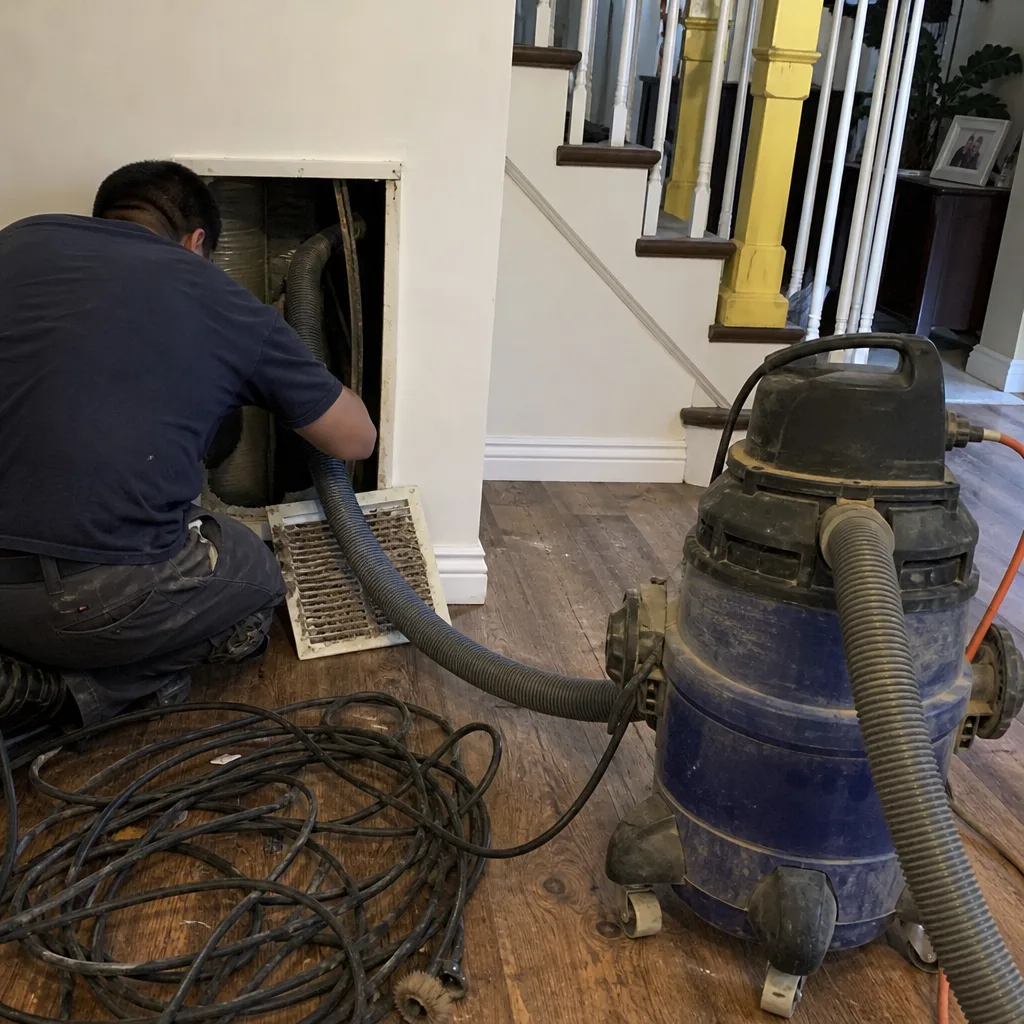 Before
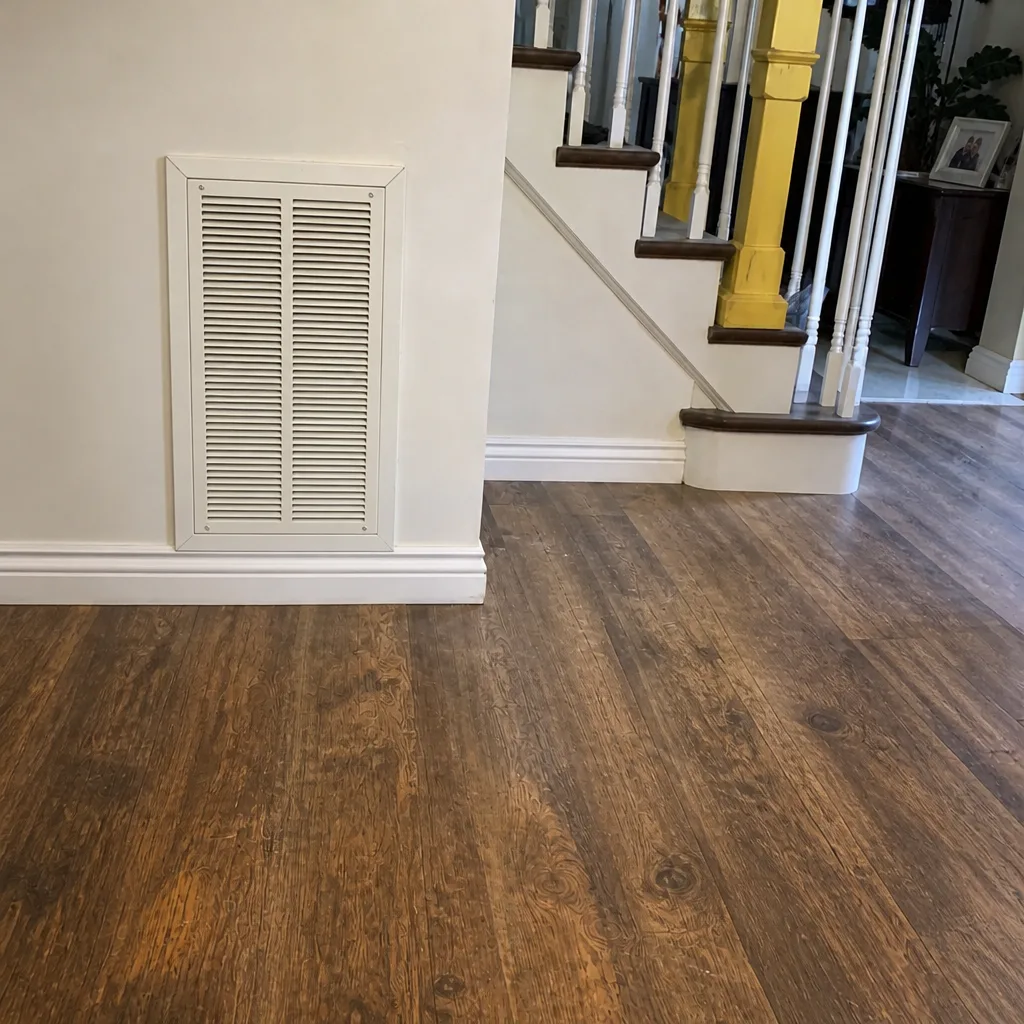 After
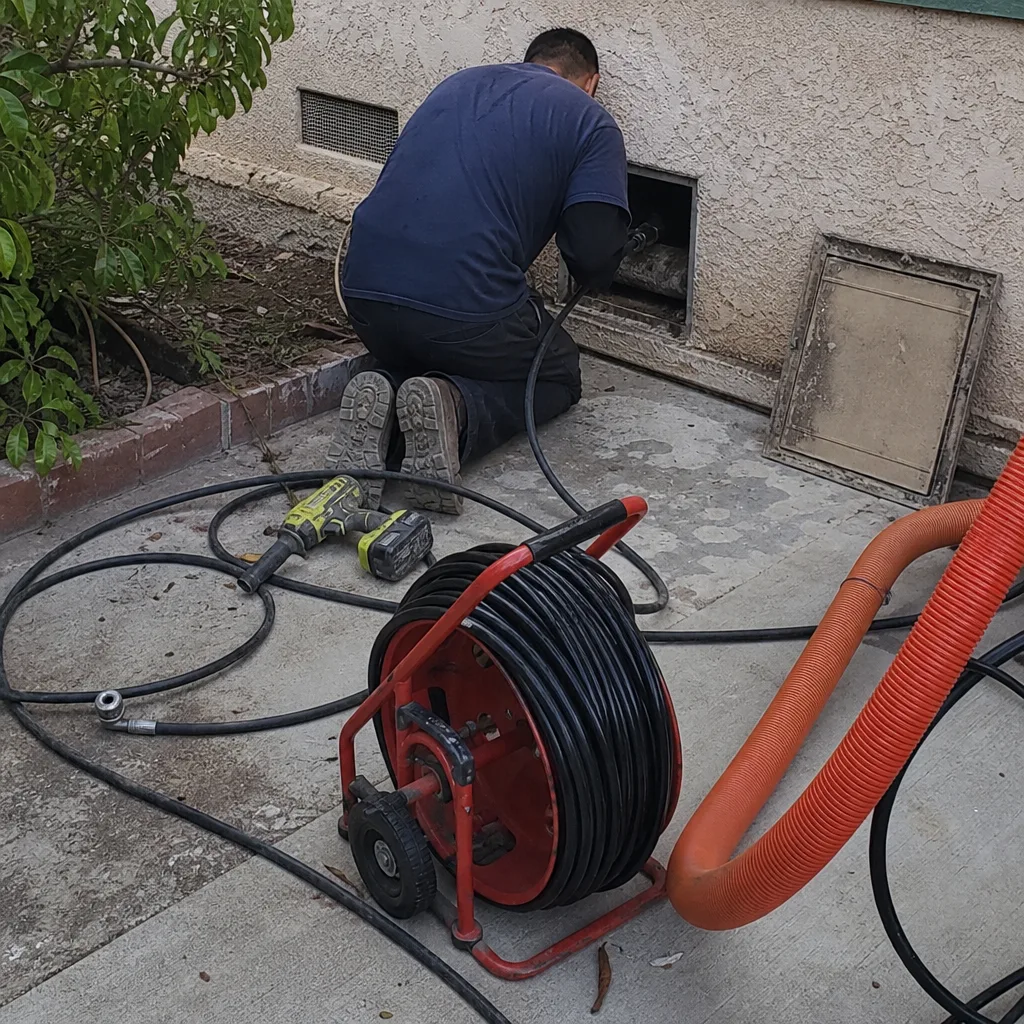 Before
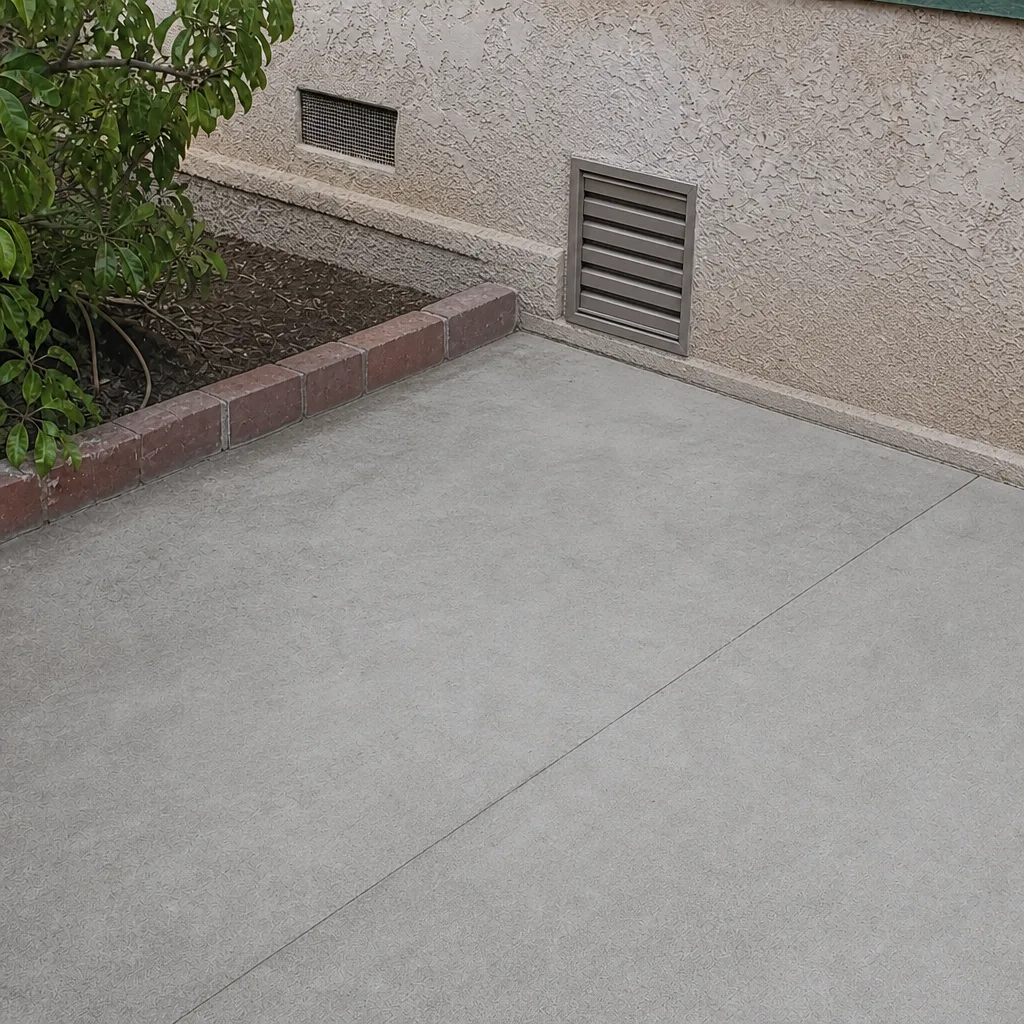 After
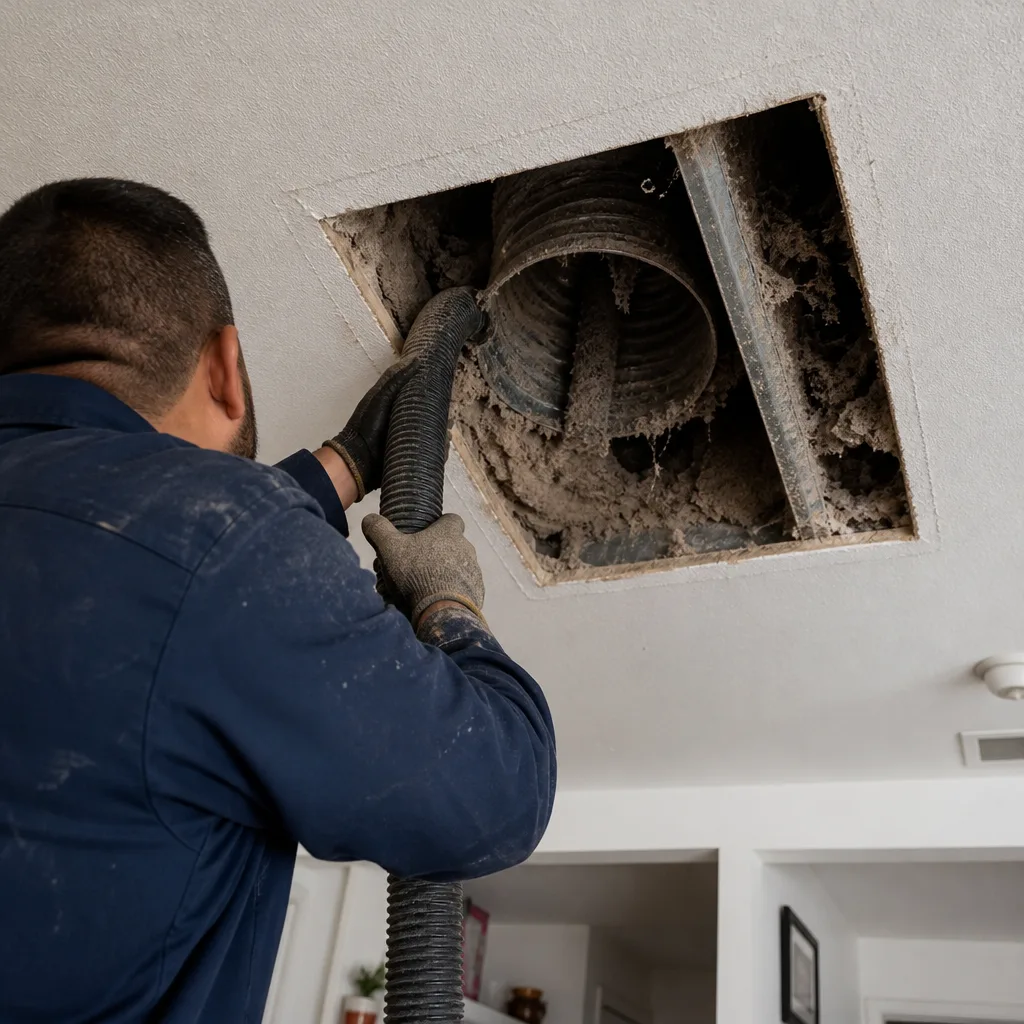 Before
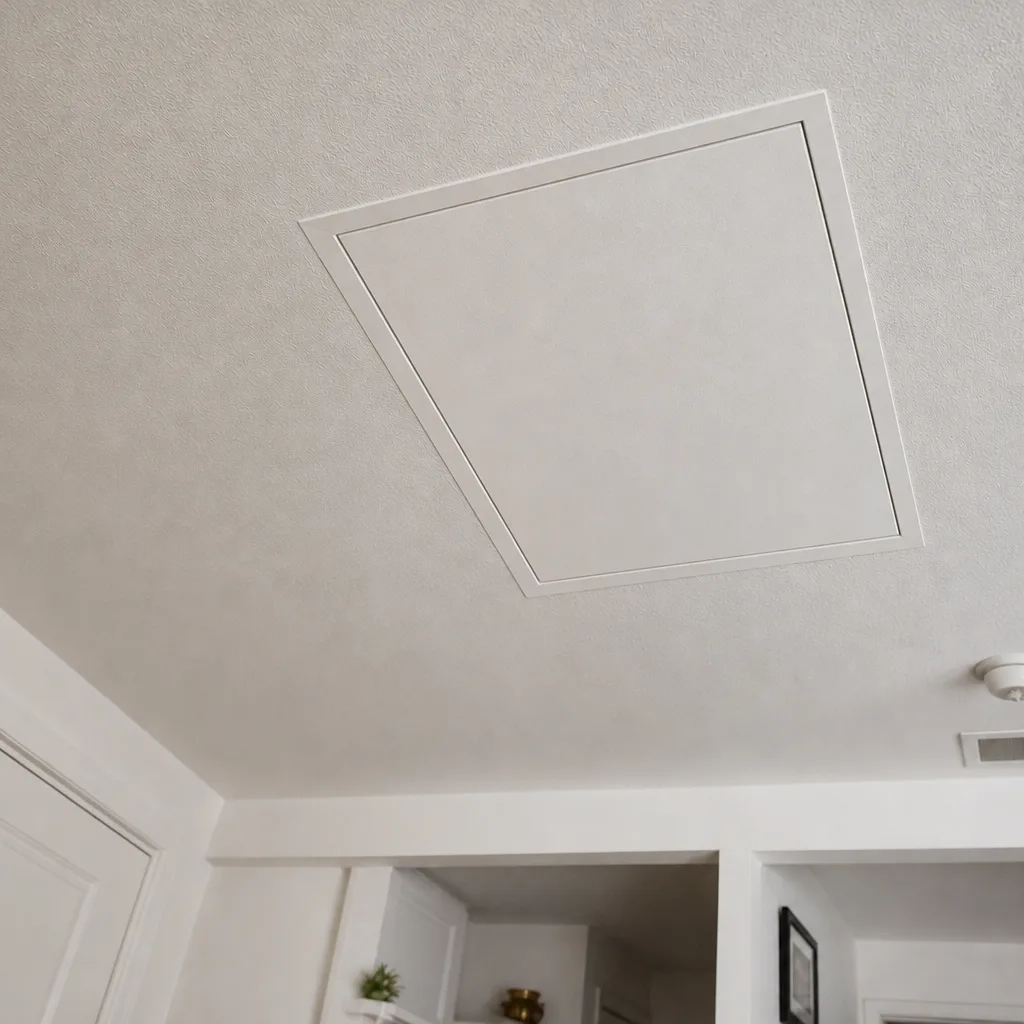 After
When to Call a Professional
Several situations justify a professional call rather than continued self-diagnosis. If you have identified a disconnected flex run but cannot safely access the crawlspace or attic to confirm it, call. If you smell biological growth or rodent activity coming through the registers, do not delay; both problems get worse and the cleanup becomes more extensive. If you have already paid for duct cleaning and the symptoms returned within a month, the underlying mechanical issue was likely never diagnosed, and a professional troubleshooting visit is the next step. If airflow problems persist across multiple rooms despite a clean filter, the issue is likely systemic: duct sizing, return capacity, or widespread leakage. Duct Cleaning Pomona offers free estimates in Pomona. Call (833) 589-9571. We answer 24/7. Fast dispatch from 7am to 7pm, Sunday through Friday.
Frequently Asked Questions
Look at the symptoms. Dust on registers shortly after cleaning, visible debris inside the ductwork, or odors that rise when the system runs indicate contamination, which calls for cleaning. Weak airflow in one room, whistling registers, or temperature differences between rooms indicate a mechanical problem, which calls for repair. A disconnected duct will not improve with cleaning, and a dirty duct will not improve with sealing. Call (833) 589-9571 for a professional assessment that tells you which one you need.
The most common cause in Pomona’s older homes is a disconnected or crushed flex duct run feeding that room. The conditioned air never reaches the register because it is escaping into the attic or crawlspace. Other causes include an undersized branch run or an improperly set damper. The register tape test described above will show whether air is reaching the register at all.
You can remove register grilles and vacuum what you can reach, but that addresses only a few inches of the duct system. The interior surfaces of the duct runs, the trunk lines, and the return air path require professional equipment to clean properly. Contact cleaning with rotating brushes, combined with negative-air extraction, removes material that a household vacuum cannot reach. Call (833) 589-9571 to find out what your system actually needs.
If dust returns within days or weeks of cleaning, the source is likely a filter bypass or a gap on the return side of the duct system. The system is pulling dust from the attic, crawlspace, or around the filter and distributing it through the supply registers. Fix the bypass or seal the gap, then have the system cleaned again. The cleaning will hold once the contamination source is closed.
Pricing varies with the size of the home, the number of systems, and the condition of the ductwork. The written estimate sets the final price, and the estimate is free. We price per job, not per vent, and one flat price per system is agreed before any work starts. Call (833) 589-9571 to schedule a free estimate.
Negative-pressure cleaning means the extraction equipment creates lower air pressure inside the duct system than the surrounding space. Contaminants move toward the capture point rather than escaping into the living space. This is the standard used in professional abatement environments. We pair Nikro HEPA negative-air machines with Rotobrush contact cleaning, so duct surfaces get physically scrubbed and the loosened material gets pulled out at containment grade.
Cleaning reduces the volume of dust, pollen, and particulate matter circulating through the duct system, which can reduce allergy triggers for sensitive individuals. However, the effect depends on the condition of the system. If return-side gaps are pulling attic dust into the airstream, the benefit of cleaning will be short-lived until the gaps are sealed. A home in Pomona with a properly sealed system and clean ductwork will deliver consistently cleaner air to the living space.
The Bottom Line
Duct problems in Pomona have specific causes, and those causes determine the right fix. Contamination calls for contact cleaning with negative-air extraction. Mechanical problems call for repairing leaks, reconnecting runs, or replacing crushed flex duct. Filter bypass and return-side gaps require sealing, not cleaning. The sequence is diagnostic: identify the symptom, trace it to its cause, then match the service to the problem. A weak register is a pressure issue until proven otherwise. A musty odor is biological or animal contamination until proven otherwise. Dust on registers points to the return side, not the supply side. If you have been chasing a duct problem without success, stop chasing and start diagnosing. We can help. Call (833) 589-9571 for a free estimate. We answer 24/7. Fast dispatch from 7am to 7pm, Sunday through Friday.
Written by the team at Duct Cleaning Pomona, serving Pomona since 2015.